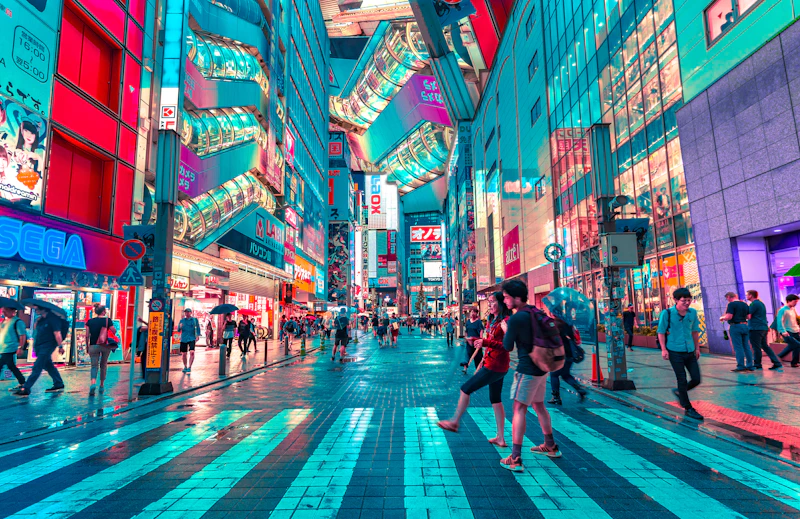
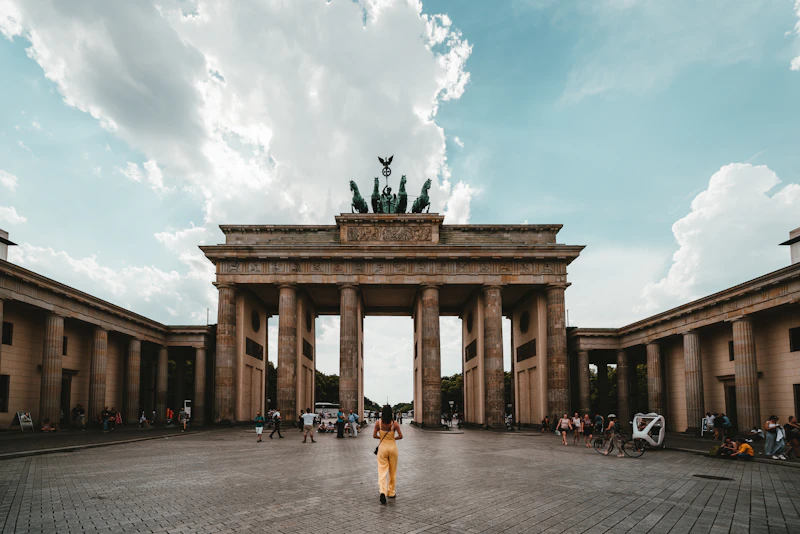
Vibrant Caribbean street scene with colorful buildings and warm golden light
The World's First Reggae Cultural Travel Platform

Follow the Rhythm.
Honor the Roots.

From the yards of Trench Town to the sound systems of Brixton, from the studios of Kingston to the dancehalls of Tokyo — this is travel guided by bass, history, and respect.

Reggae is a place, not a playlist. Every riddim has an address. Every lyric carries a map.

ReggaeTravel is not a booking engine. It is a cultural compass — built to map the sacred geography of reggae music across the globe. We believe travelers should arrive as students, not spectators. We score every destination by cultural depth, not star ratings. We reject poverty tourism, cultural extraction, and the reduction of living communities into photo opportunities. This is reggae travel done right.

Roots → Routes

Understanding reggae geography means tracing two movements: where the music was born, and where migration carried it. The roots are sacred. The routes are alive.

Roots

The origin points — the neighborhoods, studios, sound systems, and spiritual communities where reggae was born and shaped into a global force.

  • Trench Town — the government yard where it all began
  • Waterhouse — King Tubby's laboratory of dub
  • Orange Street — Kingston's original "Beat Street"
  • Nine Mile, St. Ann — Bob Marley's birthplace and resting place
  • Brentford Road — Studio One, the Motown of Jamaica
  • Maxfield Avenue — Channel One's revolutionary rhythms

Routes

The paths of migration and cultural transmission — how reggae traveled through Jamaican diaspora communities and took permanent root in cities worldwide.

  • London — Brixton, Notting Hill, Ladbroke Grove
  • Toronto — Little Jamaica on Eglinton Avenue West
  • New York — Flatbush, Brooklyn's Caribbean heartbeat
  • Tokyo — Japan's devoted reggae and dancehall scene
  • Lagos & Accra — Afrobeat meets reggae resistance
  • Berlin, Amsterdam, Paris — European sound system networks
60+
Years of Reggae
40+
Diaspora Cities
100+
Sacred Sites Mapped
1
Respect Guide
Colorful Kingston Jamaica street with vibrant painted buildings and local life

Kingston Is Not a Stop.
It Is the Center.

Every genre has a birthplace. Reggae's is Kingston — not as a museum piece, but as a living, breathing city where the music still shapes daily life. From the zinc-fence yards of West Kingston to the studios of Uptown, this city produced a sound that changed the world.

Kingston gave us ska in the early 1960s, rocksteady by 1966, reggae by 1968, dub by the early 1970s, and dancehall by the late 1970s. Every evolution happened within a few square miles. The neighborhoods you walk through are the same ones that created the most influential popular music of the 20th century.

ReggaeTravel maps Kingston's music geography block by block — the studios, the sound system lawns, the record shops, the yards where artists lived and recorded. This is not sightseeing. This is pilgrimage.

Explore Kingston Guide →

Trench Town: Where Reggae Drew Its First Breath

Built as government housing in the 1940s, Trench Town became one of the most culturally significant neighborhoods on Earth. Bob Marley, Peter Tosh, Bunny Wailer, Joe Higgs, Alton Ellis, and countless others lived, practiced, and performed in these yards. The communal living spaces — shared kitchens, open courtyards — created the collaborative culture that birthed reggae.

How to visit Trench Town respectfully: Always go through the official Trench Town Culture Yard, which employs residents as guides. Never explore residential areas alone. Ask before photographing anyone. Spend money locally. Understand that this is a real neighborhood — people live here, raise children here, have daily lives here. You are a guest in someone's home.

Trench Town Cultural Map →
Community gathering space in a Caribbean neighborhood with warm light and painted walls
Lush green Jamaican hills and countryside with mist rolling through valleys

Nine Mile: Where the Journey Begins and Ends

Nestled in the hills of St. Ann Parish, Nine Mile is both Bob Marley's birthplace and his final resting place. The small village sits high above the coastal plains, surrounded by the lush Jamaican countryside that shaped Marley's spiritual worldview.

A visit to Nine Mile is not just about Bob Marley — it is about understanding the rural Jamaica that fed reggae's soul. The Rastafari elders who guide visitors through the mausoleum offer perspectives on faith, resistance, and identity that no documentary can capture. Come with patience, humility, and a willingness to listen.

Nine Mile Pilgrimage Guide →

More of Jamaica's Reggae Geography

Beyond Kingston and Nine Mile, reggae lives throughout Jamaica. Each parish holds stories, sounds, and sacred sites.

🎤

Portmore

The Modern Dancehall Capital

Portmore transformed reggae and dancehall in the 1980s and beyond. This planned city, just south of Kingston, became the epicenter of dancehall innovation. Studios here — along with the sound systems and street culture — shaped everything from computerized riddims to modern dancehall culture.

Visit: Studio venues, dancehall clubs, local restaurants. Portmore represents reggae's evolution and the working-class communities that drive contemporary reggae.

🏖️

Negril

Reggae's Conscious Coast

Negril carries reggae's spiritual side. Beyond the tourist beaches, Negril's community venues host roots reggae performances, conscious artists, and cultural gatherings. The connection between reggae and spiritual wellness — meditation, healing, natural living — flows through Negril's scene.

Visit: Community-run venues, roots reggae performances, local guesthouses and cultural spaces. Experience reggae from a healing and consciousness perspective.

🎸

Montego Bay

Festival Home & Historic Sound System Center

Montego Bay's significance in reggae extends beyond Reggae Sumfest. The city has deep sound system roots and a history of live reggae performances. It represents reggae's balance between commercialization and community — a place where global tourism meets authentic Jamaican culture.

Visit: Reggae Sumfest (July), local sound system venues, community performances. Experience reggae at festival scale while supporting local culture.

Sound System Culture:
Where the Bass Speaks

Before streaming, before CDs, before radio playlists — there were sound systems. Towering walls of handmade speakers, a selector choosing records, an MC riding the rhythm. This is where reggae lived and lives.

Origins

Born in 1950s Kingston

When few Jamaicans could afford radios, entrepreneurs like Clement "Sir Coxsone" Dodd and Duke Reid built massive mobile disco systems — hand-wired amplifiers and custom speaker cabinets — and brought music directly to the people at outdoor dances called "lawn sessions."

Selectors & Dub Plates

The Art of the Selector

Selectors are the DJs of sound system culture — but far more than button-pushers. They read the crowd, build tension over hours, and deploy exclusive "dub plates" (one-off recordings made specifically for that sound system) as weapons in sound clashes. It is competitive, artistic, and deeply communal.

Can Visitors Attend?

Attending a Session

Yes — sound system sessions and dances are public events. In Kingston, follow listings for Stone Love Movement, Bass Odyssey, or community events. In London, attend Notting Hill Carnival or a Jah Shaka session. Dress modestly, respect the space, and understand you are entering a community gathering, not a tourist show.

Sound System Culture: The Story

How sound systems built the foundation for every genre Jamaica produced — from ska to dancehall.

Stone Love Movement Live

Kingston's legendary sound system — still rocking the dance after four decades of bass and culture.

Notting Hill Carnival Sound Systems

London's annual celebration of Caribbean culture, where massive sound systems line the streets of West London.

"How should I dress and behave at a reggae dance or session?" — Dress clean and modest. No flash photography. Don't push to the front. Buy drinks from the bar. Tip the gate. Listen more than you talk. You are entering a sacred space of community expression.

Legendary Sound Systems

These systems aren't just speakers. They are institutions, communities, and living monuments to reggae culture. They have shaped generations and remain vital today.

Stone Love Movement
Kingston, Jamaica
Est. 1974

One of Jamaica's most legendary and longest-running sound systems. Stone Love is known for its deep selection of roots reggae, consistent sound quality, and multi-generational following. Saturday nights at the location are pilgrimages for reggae lovers.

• Deep roots selections • Family-friendly • Multi-generational crowds
Bass Odyssey
Kingston, Jamaica
Est. 1976

A powerhouse sound system with an aggressive selection of dancehall and contemporary reggae. Bass Odyssey represents the competitive energy of sound system culture — known for sound clashes and cutting-edge riddim selections that push the genre forward.

• Dancehall focus • Sound clash legacy • Contemporary riddims
Jah Shaka
London, United Kingdom
Est. 1974

The most respected sound system outside Jamaica. Jah Shaka brought Kingston's sound system culture to London and maintained it with uncompromising roots consciousness. Monthly sessions at Deptford Town Hall are spiritual experiences for London's reggae community.

• Spiritual consciousness • Roots fundamentalism • Community institution
Aba Shanti-I
London, United Kingdom
Est. 1994

A conscious roots reggae sound system representing reggae's spiritual lineage. Known for Nyabinghi drumming sessions and Rastafari cultural programming. Aba Shanti-I represents how sound system culture continues to deepen spiritually even as the genre globalizes.

• Nyabinghi ceremonies • Spiritual depth • Cultural continuity
Notting Hill Carnival Sound Systems
London, United Kingdom
Annual — August Bank Holiday

Europe's largest street festival features dozens of sound systems — Channel One, Saxon Sound, Jah Shaka, and many others. The Caribbean diaspora's annual declaration of cultural presence and pride. Reggae, calypso, dancehall, and soca dominate the streets.

• Massive scale • Diaspora pride • Multi-genre celebration
Toronto's Little Jamaica Sound Systems
Toronto, Canada
Ongoing — Community-maintained

Toronto's Jamaican community maintains vibrant sound system culture on Eglinton West and throughout the city. Regular outdoor sessions, community events, and sound system dances keep reggae's social infrastructure alive in the North American diaspora.

• Community-centered • Diaspora bridge • Year-round activity

The Studios That Shaped Everything

These rooms — often small, hot, and makeshift — produced sounds that rewired global music. Every echo, every delay, every bassline that changed your life was born in one of these studios.

Studio One

Clement "Sir Coxsone" Dodd's Brentford Road studio — the Motown of Jamaica. Bob Marley, Burning Spear, The Heptones, Alton Ellis, and hundreds more recorded here. The foundation of everything.

Visiting: The original studio is a private residence, but Coxsone's legacy is preserved through Jamaica's music archives and documentary collections.

Channel One Studios

The Hookim brothers' Maxfield Avenue studio. Home of the "Revolutionaries" house band. Mighty Diamonds, Yellowman, Barrington Levy — the 1970s militant roots sound was defined here.

Visiting: Still operating as a working studio. Contact through Kingston music communities to arrange tours or recording sessions.

King Tubby's Studio

A small studio in Waterhouse where Osbourne "King Tubby" Ruddock invented dub — stripping songs to their rhythmic bones, drowning them in echo and reverb. He changed how the world hears music.

Visiting: The original site in Waterhouse is historically marked. The spirit of King Tubby lives on through Kingston's contemporary dub studios and producers influenced by his work.

Harry J Studio

Harry Johnson's studio on Roosevelt Avenue. Bob Marley recorded much of "Catch a Fire" and "Burnin'" here. The Wailers, Inner Circle, and Augustus Pablo made history in this room.

Visiting: Harry J Studio continues operating as a professional studio. Inquire through Jamaica music tourism boards about guided tours and studio visits.

Black Ark Studio

Lee "Scratch" Perry's legendary home studio in Washington Gardens. Using a four-track recorder and raw genius, Perry produced some of the most innovative music ever made — then burned it down.

Visiting: The original burned-down studio is a historical site. Lee Scratch Perry's legacy continues through his cultural influence and the many studios that follow his experimental ethos.

Tuff Gong Studios

Bob Marley's own label and studio on Marcus Garvey Drive. Still active today, Tuff Gong represents the artistic independence that Marley fought for — musicians controlling their own sound.

Visiting: Tuff Gong offers official tours to visitors. See the original mixing console, recording rooms, and museum dedicated to Bob Marley's legacy. A functioning studio preserving reggae's most iconic brand.

Legendary Producers & Selectors

These visionary studio engineers and sound system pioneers didn't just record music — they invented new ways to hear it. Their innovations ripple through all modern music.

Clement "Sir Coxsone" Dodd
Studio One Founder

Coxsone's Studio One was reggae's Motown. He produced the earliest reggae records and shaped the sound of Jamaica for decades. A musician and innovator, Coxsone understood that the producer's role was as important as the artist's — he shaped the riddim, the mixing, the very identity of the music.

Osbourne "King Tubby" Ruddock
Inventor of Dub

King Tubby transformed recording into an art form. In a small Waterhouse studio, he deconstructed songs, used echo and reverb as instruments, and created dub — a revolutionary production technique that changed music forever. He proved that the remix is a valid art form.

Lee "Scratch" Perry
Studio Visionary

Perry's Black Ark studio was a laboratory. He produced Bob Marley's early work, pioneered multi-tracking in reggae, and treated the mixing board like an instrument. Perry's unconventional approach — playing with tape speed, layering vocals, experimental effects — set him apart as one of reggae's true innovators.

Neville Livingston "Bunny Wailer"
Producer & Vocalist

As part of the Wailers and as a solo artist, Wailer understood reggae's spiritual core. His production work emphasizes the Rastafari message and the connection between music, spirituality, and liberation. His later albums show reggae's capacity for profound introspection.

Tappa Zukie
DJed the Revolution

Zukie was a DJ (toaster) and producer who understood that reggae's message needed a voice beyond the vocalist. His DJing on crucial dub albums helped establish the producer as a creative force equal to the artist. Zukie proved that production is performance.

Stone Love, Bass Odyssey & Modern Selectors
Sound System Legacy Carriers

Kingston's legendary sound system operators carry forward centuries of Caribbean oral tradition. Selectors choose records that tell stories, that move bodies, that build community. In an age of streaming, sound systems remain reggae's most sacred gathering spaces.

Women in Reggae History

The story of reggae is incomplete without the women who shaped it — as artists, producers, sound system operators, and cultural architects. ReggaeTravel refuses to tell a history with half the story missing.

Marcia Griffiths

One-third of the I Threes (alongside Rita Marley and Judy Mowatt), Marcia Griffiths is Jamaica's "Queen of Reggae." Her solo career spans decades, from "Young, Gifted and Black" to "Electric Boogie" — and she remains active today.

Sister Nancy

The "First Lady of Dancehall." Her 1982 track "Bam Bam" became one of the most sampled songs in music history. She proved that women could command the dancehall mic with authority and fire.

Judy Mowatt

A founding member of the I Threes, Judy Mowatt's solo album "Black Woman" (1980) was the first reggae album by a woman to be nominated for a Grammy. A Rastafari elder and spiritual force.

Rita Marley

Far more than "Bob's wife," Rita Marley is a singer, entrepreneur, and philanthropist whose Rita Marley Foundation supports education and health across Africa and Jamaica. She is a pillar of reggae's global legacy.

Koffee

Mikayla "Koffee" Simpson became the youngest and first woman to win the Grammy for Best Reggae Album in 2020 with "Rapture." She represents reggae's future — rooted in tradition, unbounded in ambition.

Cedella Marley & the Next Generation

Designers, musicians, activists, and entrepreneurs — the women carrying reggae forward today are expanding what the music can mean, from fashion to film to global advocacy.

Essential Reggae Artists Across Eras

From Bob Marley to contemporary riddim architects, reggae's greatest artists didn't just make songs — they created spiritual movements, documented resistance, and rewired global consciousness through the power of the bass and the word.

Bob Marley

1945–1981

The global ambassador of reggae. Bob Marley didn't just popularize reggae — he made it a language of liberation, spirituality, and unity. From ska to rock steady to reggae, his journey mirrors the genre's own evolution. "Get Up, Stand Up," "Redemption Song," "One Love" — these are global anthems of resistance.

Essential: Catch a Fire, Exodus, Legend

Peter Tosh

1944–1987

The militant. Peter Tosh was reggae's uncompromising revolutionary — articulate, fearless, and committed to radical politics. His songs on oppression, equality, and legalization went further than mainstream reggae dared. "Equal Rights," "Legalize It," "Can't Blame the Youth."

Essential: Legalize It, Equal Rights, Mystic Man

Bunny Wailer

1947–

The mystic. As the third Wailer, Bunny Wailer brought a spiritual and introspective dimension to reggae's revolutionary message. His solo work deepens reggae's spiritual practice and Rastafari consciousness. "Blackheart Man," "Time Will Tell."

Essential: Blackheart Man, Struggle, Heptones Work

Inna de Yard (Lee Perry)

1936–2021

The alchemist. Lee "Scratch" Perry produced some of reggae's most experimental and spiritually profound recordings. His Black Ark studio created sounds that seemed to channel the supernatural. His influence on hip-hop, dub, and electronic music is immeasurable.

Essential: Heavy Rain, Megablast, Reggae Greats

Burning Spear

1945–

The elder statesman of Rastafari. Winston Rodney (Burning Spear) has been reggae's most consistent voice of African consciousness and Rastafari spirituality for 50+ years. His deep, chanting vocals and African-rooted riddims define conscious reggae.

Essential: Hail H.I.M., Social Living, Harder Than Stone

Horace Andy

1946–

The voice of spirituality. Horace Andy's ethereal, soulful voice has been reggae's spiritual anchor since the 1960s. His interpretations of love, loss, and redemption carry mystical depth. Sampled by hip-hop legends, respected across genres.

Essential: In the Light, Just Natural, Rhythm of Life

Gregory Isaacs

1951–2010

The Cool Ruler. Gregory Isaacs brought sophisticated, sensitive songwriting to reggae. His love songs carry both tenderness and melancholy. "Night Nurse," "Soon Forward," and countless ballads cemented his status as reggae's romantic voice.

Essential: Night Nurse, Private Heaven, Royal Sounds

Dennis Brown

1957–1999

The Crowning Lion of Reggae. Dennis Brown commanded one of reggae's most beautiful voices — pure, powerful, and emotionally devastating. Though his life was cut short, he left an indelible mark on roots reggae consciousness.

Essential: Joseph Road, Hail the Days, Revolution

Culture

Formed 1976

Three voices, one consciousness. Culture brought Rastafari harmony vocals and rooted spiritual wisdom. "Cumbolo," "Two Sevens Clash," "Nile" — albums steeped in African and Rastafari consciousness.

Essential: Two Sevens Clash, Cumbolo, Culture

Big Youth

1949–

The DJ/toaster pioneer. Big Youth pioneered reggae DJing and toasting style — rhythmic talking over riddims. His energetic style and Rastafari message made roots reggae accessible to younger audiences.

Essential: Screaming Target, Hit the Road Jack, Youth of Today

The Abyssinians

Formed 1970

Pure harmony roots. The Abyssinians' a cappella and harmony-driven approach created some of reggae's most soulful recordings. "Satta Massagana" remains a spiritual anthem across continents.

Essential: Satta Massagana, Forward Unto Zion

I-Roy

1949–1997

The Musical Thoughts selector. I-Roy brought intellectual depth to reggae DJing, with poetic lyrics and spiritual consciousness. His influence shaped roots and conscious reggae's rhetorical power.

Essential: Musical Thoughts, Dub Protector

Luciano

1966–

The Messenger. Luciano carries reggae's conscious torch in the modern era with deep spiritual knowledge and commitment to African liberation. His conscious lyrics and soulful delivery keep roots reggae spiritually alive.

Essential: Where There is Life, Knowledge of Self, Messenger

Sizzla Kalonji

1978–

The prolific prophet. Sizzla has released hundreds of conscious reggae songs and remains one of the genre's most committed Rastafari voices. His energy and commitment to liberation continue the tradition of roots reggae.

Essential: Judgment Day, Black Heart, Rastas Prayer

Chronixx

1992–

The new generation elder. Chronixx represents reggae's conscious youth — blending traditional roots riddims with contemporary relevance. His lyrics address modern injustices while honoring reggae's spiritual foundation.

Essential: Chronology, Here Comes the Sun

Protoje

1989–

The thoughtful wordsmith. Protoje brings poetic, introspective consciousness to reggae. His albums explore identity, history, and resistance with intellectual depth that appeals to younger listeners seeking roots knowledge.

Essential: The Indiggnation, A Product of the System

Damian "Jr. Gong" Marley

1978–

The heir apparent. Damian Marley carries Bob's legacy while creating his own path — blending reggae with hip-hop and contemporary sounds. His conscious lyrics honor reggae's roots while reaching new generations.

Essential: Halfway Tree, Welcome to Jamrock, Stoney River

I-Threes (Rita, Marcia, Judy)

1974–

The backbone voices. The I-Threes' harmony backing vocals defined Bob Marley's sound and reggae's spiritual power. Their solo and collective work affirms women's essential voice in reggae consciousness.

Essential: I-Threes, Red Heat, Sunshine in the Dark

Yellowman

1956–

The dancehall godfather. Yellowman brought lyrical wit, humor, and energy to early dancehall. As an albino Jamaican thriving in a color-conscious society, his presence itself was revolutionary. His rapid-fire wordplay defined dancehall style.

Essential: Mister Yellowman, Zungguzungguguzungguzeng

Shabba Ranks

1966–

The dancehall icon. Shabba Ranks brought dancehall to global prominence in the late 1980s–90s with his distinctive vocal tone, boastful lyrics, and charismatic stage presence. Grammy winner and dancehall legend.

Essential: As Raw as Ever, X-tra Naked, Shabba Ranks' Greatest Hits

Beenie Man

1973–

The dancehall doctor. Beenie Man has dominated dancehall for three decades with his versatility, charm, and knack for crafting party anthems. From "Feel the Heat" to "Rum & Redbull," he owns the dancefloor.

Essential: Many Moods of Beenie Man, The Doctor, Foundation

Sean Paul

1973–

The dancehall crossover artist. Sean Paul brought dancehall to mainstream global audiences with catchy hooks and infectious energy. His blend of dancehall with pop sensibility created a new template for reggae/dancehall's global reach.

Essential: Dutty Rock, The Trinity, Full Frequency

Ninjaman

1967–

The dancehall storyteller. Ninjaman brought theatrical energy and detailed storytelling to dancehall. His rapid-fire delivery and vivid narratives made him a dancehall legend and sound system favorite.

Essential: Ninjaman Style, Bad So Bad, Crown & Glory

Alkaline / Vybz Kartel

1985–

The contemporary riddim architects. These artists represent dancehall's modern energy — with contemporary production, TikTok-era reach, and the digital transformation of Jamaica's musical culture. They're shaping reggae's next chapter.

Essential: Akalinemix, CartelMusic collections

Where Reggae Lives Outside Jamaica

Reggae doesn't just play in these cities — it lives there. Decades of Jamaican migration created permanent cultural infrastructure: record shops, sound systems, radio stations, dancehalls, and communities where the bassline never stops.

London skyline at dusk with warm city lights

London, UK

The Windrush Sound — Caribbean Diaspora's First Home

Why London Matters

Jamaicans arrived in London during the 1950s–70s, bringing their sound systems, records, and culture. Brixton became the heartbeat of Caribbean London — a neighborhood where reggae wasn't just music, it was survival, identity, and resistance.

Key Neighborhoods

  • Brixton: The epicenter. Sound systems, record shops, Carnival culture
  • Notting Hill: Home of the Notting Hill Carnival (August bank holiday)
  • Ladbroke Grove: Foundation of reggae resistance and youth culture

What to Experience

The Notting Hill Carnival sound systems (Channel One, Aba Shanti-I, Jah Shaka), Brixton Records, Blue Mountain Café, Desmond's Hip City, independent record shops and Caribbean restaurants.

Toronto city street with diverse community

Toronto, Canada

Little Jamaica — North American Sound System Capital

Why Toronto Matters

Eglinton West Avenue became "Little Jamaica" — a thriving Caribbean neighborhood where Jamaican migrants built the most sophisticated sound system scene outside Jamaica itself. Toronto's reggae infrastructure rivals Kingston's in many ways.

Key Neighborhoods

  • Eglinton West: The heart. Marcus Garvey Park, Caribbean shops, sound system venues
  • Bathurst Street: Cultural corridor with record shops and reggae institutions

What to Experience

Marcus Garvey Park reggae sessions, Jamaican restaurants on Eglinton, Caribbean record stores, sound system dances held throughout the year. Toronto's reggae calendar runs year-round with concerts and cultural events.

New York City Brooklyn bridge at golden hour

New York, USA

Caribbean Brooklyn — Reggae Meets Hip-Hop Culture

Why New York Matters

Brooklyn's Flatbush and East Flatbush neighborhoods became Caribbean New York. The connection between reggae and hip-hop culture — from DJ Kool Herc's block parties to dancehall's influence on rap — emerged in these streets.

Key Neighborhoods

  • Flatbush, Brooklyn: Caribbean community core, reggae venues and record stores
  • East Flatbush: Dancehall and reggae cultural center

What to Experience

Reggae clubs in Flatbush, Caribbean bakeries and restaurants, record shops specializing in Jamaican releases, West Indian Day Parade (Labor Day weekend), venues hosting reggae and dancehall events.

Tokyo city lights at night with neon signs

Tokyo, Japan

The Unexpected Reggae Capital — Japan's Deep Love

Why Tokyo Matters

Japan has one of the world's most dedicated and sophisticated reggae scenes. Tokyo's reggae community isn't trend-chasing — it's deeply rooted in the music's spiritual and political values. The city hosts world-class reggae festivals and has more vinyl reggae shops than most major cities.

Key Areas

  • Shibuya/Shinjuku: Reggae clubs and live music venues
  • Shimokitazawa: Independent record stores and live houses

What to Experience

Tokyo Reggae Festival, independent reggae clubs, vinyl record shops with extensive roots reggae selections, Japanese reggae bands and sessions, meditation and spiritual reggae gatherings.

Lagos Nigeria street scene with vibrant energy

Lagos, Nigeria

Pan-African Heartbeat — Reggae Meets Afrobeats

Why Lagos Matters

Lagos's reggae scene represents reggae's Pan-African mission. Reggae's connection to African liberation struggles finds expression in Lagos through Afro-reggae fusion, conscious lyrics, and Caribbean-African cultural exchange. This is where reggae's political roots are actively alive.

Key Areas

  • Lekki: Contemporary reggae venues and cultural spaces
  • Ikeja: Live music and concert venues

What to Experience

Afro-reggae festivals, live performances by Nigerian reggae artists, consciousness-focused concerts, cultural exchanges connecting Caribbean and African traditions, street markets with reggae music.

Berlin urban street art and culture

Berlin, Germany

Dub Techno Paradise — Where Reggae Became Electronic

Why Berlin Matters

Berlin transformed reggae's experimental dub into dub techno — a uniquely German-Caribbean fusion born in Berlin's post-Wall clubs. The city's reggae scene centers on studio culture, vinyl appreciation, and the spiritual side of the music.

Key Areas

  • Neukölln: Underground reggae and dub techno clubs
  • Kreuzberg: Alternative reggae and experimental music venues

What to Experience

Dub techno clubs, reggae and dub experimental nights, vinyl markets, Berlin Reggae Festival, independent record stores specializing in roots reggae and dub.

Accra Ghana colorful market and street life

Accra, Ghana

West African Roots — Pan-African Consciousness Center

Why Accra Matters

Accra's reggae scene is inseparable from Pan-African consciousness and the city's role as a hub for Black diaspora movements. Reggae serves as a cultural bridge connecting Africans, African-Americans, and Caribbean people in shared spiritual and political traditions.

Key Areas

  • Jamestown: Historic waterfront with cultural venues and community centers
  • Osu: Contemporary reggae clubs and cultural spaces

What to Experience

Pan-African Rasta gatherings, reggae festivals celebrating African-diaspora connections, live reggae performances, consciousness-focused events, reggae sessions in community spaces.

"How does reggae connect Jamaica to London and Toronto?" — Through migration. Jamaicans who moved to the UK in the 1950s–70s (the Windrush generation) and to Canada brought their sound systems, their records, and their culture. Brixton and Eglinton West aren't extensions of Jamaica — they are new chapters written by the diaspora.

Record Shops: Temples of Reggae Knowledge

In the age of streaming, record shops remain spiritual centers where reggae culture is preserved, shared, and alive. These shops are run by deep-knowledge collectors and community historians. Visiting them is essential to reggae pilgrimage.

Kingston, Jamaica

Harry J Records

The legendary home of Harry J, one of reggae's greatest producers and sound systems operators. Walk into Harry J and you enter reggae history — vinyl from the '60s to present, and the knowledge of people who lived it.

Specialty: Roots, rocksteady, dub, producer catalogs

Vibe: Serious collectors, historians, artists shopping for breaks

Kingston, Jamaica

VP Records Jamaica

The headquarters of VP Records, one of reggae's most important independent labels. VP's Jamaica shop carries everything the label has released — dancehall, roots, reggae. The staff are connected to the entire reggae industry.

Specialty: All reggae/dancehall, VP Records releases, contemporary

Vibe: Professional, industry-connected, browsing by mood

Kingston, Jamaica

Rockers International

A deep roots reggae institution. Rockers International specializes in conscious reggae, Rastafari spiritual music, and rare dub plates. The owner's knowledge is encyclopedic — ask questions and learn.

Specialty: Conscious roots, Rastafari, dub, obscure conscious releases

Vibe: Deeply conscious, educational, spiritual space

London, UK

Brixton Records

The iconic shop in the heart of Brixton that has served London's Caribbean community for decades. Brixton Records carries reggae, calypso, soca, dancehall — the full diaspora sound. It's a cultural center and meeting place.

Specialty: Reggae, dancehall, calypso, Caribbean diaspora music

Vibe: Community hub, cultural knowledge, intergenerational

London, UK

Desmond's Hip City

A legendary institution in Brixton. Desmond's isn't just a record shop — it's a cultural landmark where Brixton's Jamaican community has gathered for generations. The stories in this shop are reggae history.

Specialty: Roots reggae, dancehall, classic vinyl from the '70s-'80s

Vibe: Historical, spiritual, intergenerational community gathering

London, UK

Phonica Records

A more eclectic independent record shop that carries reggae alongside electronic, hip-hop, and world music. Phonica represents London's cosmopolitan reggae culture and younger generation's engagement with reggae.

Specialty: Reggae mixed with electronic, world music, contemporary vinyl

Vibe: Indie, cosmopolitan, younger generations, cross-genre

Toronto, Canada

Black Market Records

Toronto's legendary reggae and Caribbean music shop. Black Market is the gathering place for Toronto's Jamaican community — the keeper of reggae vinyl and dancehall knowledge in Canada.

Specialty: Reggae, dancehall, roots, producer catalogs

Vibe: Community institution, knowledge-deep, Toronto's Caribbean hub

Toronto, Canada

Orbit Records

A historic shop that has served Toronto's Caribbean and reggae communities for decades. Orbit Records carries reggae, soul, jazz, and world music. The staff understand reggae's roots and contemporary scenes.

Specialty: Roots reggae, soul, jazz, world music vinyl

Vibe: Historical, eclectic, Toronto's world music hub

Toronto, Canada

The Turntable

A newer shop representing Toronto's younger generation's vinyl renaissance. The Turntable carries reggae alongside hip-hop, electronic, and soul — showing how reggae influences contemporary culture and younger collectors.

Specialty: Reggae, hip-hop, electronic, curated vinyl

Vibe: Contemporary, cross-genre, younger generation

"Why visit record shops instead of streaming?" — Streaming is infinite but shallow. Record shops are finite and deep. You can hold the vinyl, read the liner notes, meet people who lived this music, and discover connections you'd never find in an algorithm. Record shops preserve reggae culture that streaming can erase.

Record Shop Tips

  • Buy something: Record shops exist because people buy records. Even a 45 single supports the culture.
  • Ask questions: The people behind the counter are historians. Learn from them.
  • Look at liner notes: Liner notes teach reggae history — credits, production dates, cultural context.
  • Check the condition: Vintage reggae vinyl is fragile. Inspect records for skips before buying.
  • Seek recommendations: Tell staff your interests — they'll recommend albums you'd never find alone.
  • Support local: Independent record shops preserve culture. Chain stores do not.

Understanding Rastafari: A Visitor's Spiritual Guide

Reggae is rooted in Rastafari spirituality. Understanding these beliefs and respecting the culture isn't just tourism etiquette — it's recognizing reggae's spiritual foundation. Here's what every reggae traveler should know.

🙏

Haile Selassie I

In Rastafari belief, Emperor Haile Selassie I of Ethiopia is the returned Christ — the Messiah of the African diaspora. Reggae artists frequently reference him as a symbol of African redemption and liberation. Respect this belief even if it's outside your own spirituality.

🔥

The Covenant & Zion

"Zion" refers to Africa and spiritual liberation — the promised land for African diaspora. Reggae artists sing about returning to Zion, not as geography but as spiritual return to African roots and African consciousness. It's about reclaiming identity.

🍃

Reasoning & Consciousness

"Reasoning" is Rastafari practice of gathering, discussion, and spiritual dialogue. When reggae artists reference "reasoning," they mean deep conversation about spirituality, politics, and consciousness. Reggae is reggae music as spiritual teaching.

⚫⚪🔴

Colors & Symbolism

Red, Gold, Green, and Black have meanings: Red (struggles of ancestors), Gold (wealth/God's glory), Green (earth/natural), Black (African people). These colors appear in reggae's visual language — flags, artwork, clothing. Wear them respectfully.

🕯️

Natural/Ital Living

Many Rastafari practice "Ital" living — using natural foods, avoiding processed items, living in harmony with nature. Some are vegetarian. Respect these choices and don't assume everyone eats meat or drinks alcohol. Ask before offering food.

✌️

Cultural Appropriation Warning

Rastafari symbols, colors, dreadlocks, and terminology aren't fashion accessories. They're spiritual markers. Wearing them as costume while not understanding the faith is disrespectful. Learn the culture before wearing its symbols.

Essential Respect Principles

DO:
  • Learn about Rastafari before arriving
  • Ask about spiritual practices respectfully
  • Listen to reggae lyrics — they teach
  • Respect dreadlocks — they're spiritual
  • Use "I and I" greeting (means unity)
  • Show reverence at spiritual events
  • Buy reggae records from local shops
  • Attend genuine community events
DON'T:
  • Treat reggae as party music only
  • Ask intrusive questions about faith
  • Touch someone's dreadlocks
  • Wear Rastafari symbols as costume
  • Disrespect Haile Selassie in conversation
  • Photograph ceremonies without permission
  • Appropriate reggae language carelessly
  • Ignore the spiritual foundation
"Why is Rastafari so central to reggae?" — Rastafari gave reggae its purpose. Without Rastafari consciousness, reggae would just be music. With it, reggae becomes liberation theology, resistance, and spiritual practice. Respect Rastafari, and you understand reggae's soul.

Kingston Neighborhoods: Where to Go & What to Experience

Kingston is complex, vibrant, and essential to understanding reggae. This guide breaks down neighborhoods, safety considerations, and cultural landmarks. Each area has its own reggae history and personality.

Trench Town

Cultural Heartland

What it is: Kingston's most historic neighborhood. Home to Bob Marley, Peter Tosh, Bunny Wailer, Joe Higgs. The birthplace of reggae itself.

Key sites:

  • Trench Town Culture Yard: Museum/cultural center in Bob's childhood home. Visit officially
  • Orange Street: Historic "Beat Street" where reggae music industry began
  • Church lanes: Where street musicians and youth learned reggae

How to experience: Go with official tours from Culture Yard. Support local guides. Buy from local vendors. Eat at street food stands.

Safety: Go during daylight. Don't wander alone. Use registered tour guides. Respect that this is a real neighborhood, not a museum exhibit.

Best for: Reggae history pilgrimage. Understanding reggae's roots. Meeting community members.

Downtown Kingston

Commercial & Cultural

What it is: Jamaica's commercial and administrative center. Where reggae industry happens. Studios, record shops, venues, government buildings.

Key spots:

  • Record shops: Harry J Records, VP Records, independent music stores
  • Studios: Historic studios on Maxfield Ave (Channel One, Randy's)
  • Markets: Jubilee Market, Coronation Market (food, music, energy)
  • Marcus Garvey Drive: Tuff Gong Studios, cultural institutions

How to experience: Walk with purpose. Stick to main streets. Use taxis between locations. Visit during business hours. Ask locals for current recommendations.

Best for: Finding reggae records. Meeting musicians/producers. Understanding Jamaica's music industry. Street food.

New Kingston (Uptown)

Safer, Commercial

What it is: Kingston's modern commercial center. Hotels, restaurants, nightlife, shopping. Where tourists typically stay. Safer than downtown.

Key spots:

  • Hope Road: Bob Marley Museum, restaurants, upscale shops
  • Emancipation Park: Safe public space, cultural events
  • Restaurants: Caribbean cuisine, international options
  • Nightlife: Clubs, bars, live music venues

How to experience: Walk during day. Safe to move around. Good starting point for orientation. Easy transportation to downtown/Trench Town.

Best for: Tourists finding their footing. Safer reggae exploration. Understanding modern Kingston.

Waterhouse

Dub & Roots Heritage

What it is: Neighborhood where King Tubby's revolutionary dub studio was located. Birthplace of dub music. Less touristy than Trench Town.

Key sites:

  • King Tubby's Studio location: Historic but unmarked. Ask locals for stories
  • Dub plates vendors: Some original dub culture practitioners still active
  • Community spaces: Where dub and roots culture still lives

How to experience: Hire local guide who knows dub history. Connect with community members. Go with someone from the neighborhood.

Best for: Deep reggae knowledge seekers. Understanding dub's revolutionary impact. Meeting dub culture keepers.

Spanish Town (Day Trip)

Historic & Roots

What it is: Jamaica's ancient capital (30 min from Kingston). Rich history, reggae heritage, less touristy than Kingston.

What to see:

  • Town center square: Colonial architecture, cultural energy
  • Local restaurants: Authentic Jamaican food at street prices
  • Reggae venues: Local sound systems and community events
  • Historical sites: Jamaica's colonial and slave history

How to get there: Bus from downtown Kingston (cheap, slow). Taxi ($15-20). Day trip from Kingston.

Best for: Experiencing reggae outside Kingston bubble. Understanding Caribbean history. Eating authentic food.

Nine Mile (Sacred Pilgrimage)

Bob Marley's Birthplace

What it is: Bob Marley's birthplace in rural St. Ann Parish. About 2 hours north of Kingston. Small, rural, spiritual space.

What to experience:

  • Bob Marley Birthplace Museum: Small house where he was born
  • Rural Jamaica: See the countryside Bob knew as a child
  • Local guides: People who knew Bob's family, share stories
  • Spiritual space: Quiet, reflective, important to pilgrims

How to get there: Rent car or hire taxi for day trip (expensive). Better as overnight from Kingston or Montego Bay area.

Best for: Bob Marley pilgrims. Spiritual reggae seekers. Understanding Bob's roots.

Kingston Travel Essentials

Getting Around
  • Taxis: White with "TAXI" plate. Negotiate fare beforehand
  • Uber: Works in Kingston. Reliable, trackable
  • Buses: Colorful public buses. Cheap but chaotic. Ask locals
  • Walking: Safe in groups during day. Uptown more walkable
  • Don't rent car: Driving is chaotic. Hire driver instead
Safety & Awareness
  • Avoid after dark: Don't be out alone late
  • Hire guides: For Trench Town and downtown areas
  • Stay aware: Know your surroundings. Avoid displays of wealth
  • Trust instincts: If something feels unsafe, move on
  • Connect locally: Locals are protective if you're respectful
"Is Kingston safe for tourists?" — Kingston requires respect and awareness. Don't go looking for danger, and you likely won't find it. Stay in populated areas during day, use taxis at night, hire local guides for neighborhood exploration, and respect that you're a guest. Most reggae tourists navigate Kingston successfully by being thoughtful and humble.

Real Reggae Festivals — Not Tourist Packages

ReggaeTravel distinguishes authentic cultural festivals from resort-packaged "reggae experiences." These are events rooted in community, artistry, and tradition — not marketing budgets.

Live reggae performance with stage lights

Rebel Salute

St. Ann, Jamaica January

Founded by Tony Rebel. Strictly roots and culture — no alcohol, no meat sold on the grounds. This is reggae at its most principled. Artists perform for the music, not the spectacle.

Outdoor festival with stage and crowd

Reggae Sumfest

Montego Bay, Jamaica July/August

Jamaica's largest annual music festival. Multiple nights of reggae, dancehall, and special guests. A genuine Jamaican cultural event — not a sanitized resort show.

Festival crowd under sunset sky

Rototom Sunsplash

Benicassim, Spain August

Europe's largest reggae festival. A week of roots, dub, ska, and dancehall on the Mediterranean coast. Deep cultural programming alongside world-class performances.

Street festival celebration with diverse crowd

Notting Hill Carnival

London, United Kingdom Late August

Europe's largest street festival, born from the Caribbean diaspora in 1966. The sound systems of Carnival — Channel One, Aba Shanti-I, Jah Observer — are the heartbeat of London's reggae culture.

Night music festival with lights

Uppsala Reggae Festival

Uppsala, Sweden June

Scandinavia's premier reggae gathering. A testament to reggae's global reach — Swedish audiences who understand the music's political and spiritual depth.

DJ performing at music event

Boomtown Fair

Hampshire, United Kingdom August

Boomtown's reggae and dub stages — particularly the Lion's Den — host some of the UK's most respected sound systems and MCs. Reggae within a larger festival ecosystem, done with integrity.

Concert performers on stage with lights

Sierra Nevada World Music Festival

California, USA August

California's premier reggae gathering with deep roots programming. Hosts world-class reggae, dub, and roots artists alongside cultural workshops and consciousness-raising sessions.

Festival crowd dancing under stars

Tokyo Reggae Festival

Tokyo, Japan July

Japan's largest reggae festival, showcasing the country's deep reggae roots community. Features international and Japanese roots reggae artists, with focus on consciousness and spiritual connection.

Live music performance on outdoor stage

Afro-Caribbean Festival

Multiple cities, worldwide Year-round

Community-based festivals celebrating reggae's Pan-African roots. From Toronto's Caribbean Day Parade to Accra's reggae celebrations, these events center Black diaspora solidarity and cultural continuity.

Stage performance with audience silhouettes

Rototom Free Festival

Various European cities Throughout summer

Rototom's satellite free reggae festivals across Europe, bringing Rototom's festival ethos to more communities. Free outdoor reggae performances emphasizing accessibility and cultural continuity.

The Pilgrimage Routes

Three curated journeys through reggae's geography — each one a different lens on the music, its history, and its living culture.

Caribbean road winding through green hills
The Roots Route
Kingston → Nine Mile → Trench Town → Studios

The foundational journey. From Nine Mile (Marley's birthplace) through Kingston's studio district, Trench Town's cultural yard, and the sound system lawns of West Kingston. This route traces reggae from its rural spiritual origins to its urban musical explosion.

Plan This Route
Concert speakers and sound equipment with atmospheric lighting
The Sound System Route
Kingston → London → Toronto → New York

Follow the speaker stacks across the Atlantic. From Kingston's original sound system lawns to Brixton's Carnival preparations, Toronto's Little Jamaica sessions, and Brooklyn's Caribbean block parties. The route of the bass.

Plan This Route
Music studio mixing board with warm analog lighting
The Dub Route
Waterhouse → Black Ark → Channel One → Berlin

The experimental path. From King Tubby's Waterhouse laboratory to Lee Scratch Perry's Black Ark, through Channel One's mixing desk, and into Berlin's contemporary dub techno scene. How Jamaica invented the remix — and the world never recovered.

Plan This Route

Reggae, Pan-Africanism & Liberation

Reggae was never just music — it was a weapon of liberation. Bob Marley performed at Zimbabwe's independence celebration in 1980. Peter Tosh demanded equal rights at the One Love Peace Concert. Burning Spear channeled Marcus Garvey's Pan-African vision into sound. Steel Pulse fought racism in 1970s Birmingham.

The connection between reggae and liberation movements — from anti-apartheid South Africa to the Black Power movement in the United States to indigenous rights struggles in Australia — is one of music's most powerful stories. ReggaeTravel maps these connections so travelers understand that reggae pilgrimage is also a journey through the global history of resistance.

Marcus Garvey's teachings, the Ethiopian Orthodox faith, Haile Selassie's symbolism, and the lived experience of colonial oppression all flow through reggae's lyrics. To travel to reggae's sacred sites without understanding this is to miss the point entirely.

Explore Reggae & Liberation →
Raised fist street art mural symbolizing resistance and unity

Bob Marley — Redemption Song

"Emancipate yourselves from mental slavery." The acoustic anthem that distilled reggae's liberation theology into three minutes.

Peter Tosh — Equal Rights

The "Stepping Razor" demanded justice with an intensity that made governments uncomfortable and a people feel seen.

Burning Spear — Marcus Garvey

Winston Rodney channeling the prophet of Pan-Africanism. This isn't nostalgia — it's a living mandate for African unity and self-determination.

The Respect Guide

Reggae travel without cultural respect is just tourism with a better soundtrack. These principles are not suggestions — they are the foundation of everything ReggaeTravel builds.

People Are Not Attractions

Never photograph people without explicit consent. Rastafari elders, sound system operators, and community members are human beings — not content for your social media. Ask first. Accept "no" gracefully.

Spend Money Locally

Eat at local restaurants, not international chains. Stay in locally owned guesthouses. Buy music directly from artists and producers. Your money should circulate within the community you're visiting, not leak out to foreign corporations.

Hire Local Guides

In Kingston, Trench Town, Nine Mile, and every other cultural site — hire guides from the community itself. They know the real stories, they protect the real spaces, and your money directly supports the people who keep the culture alive.

Rastafari Is Not a Costume

Do not wear Rastafari symbols as fashion. Do not reduce a complex spiritual tradition to marijuana references. If invited to a reasoning or grounation, listen more than you speak. Learn about the faith before you encounter it.

Reject Poverty Tourism

Kingston's inner-city communities are not safari stops. Do not visit neighborhoods to gawk at economic hardship. Come as a student — to learn about the creativity, resilience, and cultural genius that emerged from these communities despite systemic oppression.

Learn Before You Arrive

Read Jamaican authors. Listen to Jamaican journalists. Understand the economic realities, the political history, and the ongoing struggles. Arriving informed is the minimum. ReggaeTravel provides reading lists, documentary guides, and cultural primers for every destination.

Understand Sound System Etiquette

At a dance or session: dress clean and modest. No flash photography. Don't push to the front. Buy from the bar. Tip the gate. Don't request songs — the selector's art is their own. You are a guest in a cultural space that has existed for decades without you.

Support, Don't Extract

Don't take culture home as a souvenir. Support the communities that create it. If a musician performs for you, pay them. If a guide educates you, tip them generously. If a community welcomes you, give back.

The Cultural Depth Index

ReggaeTravel scores every destination not by star ratings or TripAdvisor reviews — but by cultural depth. Our index measures what actually matters.

Criterion What We Measure Weight
Historical Significance Role in reggae's development — studios, artists, events, movements
Living Culture Active sound systems, artists, venues, and community engagement today
Community Benefit Does tourism income stay in the community? Are locals employed and empowered?
Accessibility Can visitors engage without causing harm or disruption to daily life?
Spiritual Integrity Are sacred spaces and practices respected rather than commodified?
Musical Legacy Specific songs, albums, riddims, and genres that emerged from this place

Practical Guide for Reggae Travelers

Essential information for visiting Jamaica and reggae diaspora cities respectfully and safely. This isn't a tourist guide — it's advice for engaging with reggae culture authentically.

🇯🇲 Jamaica Essentials

Safety & Neighborhoods

Kingston can be challenging for tourists unfamiliar with urban Jamaica. Key advice: Don't wander tourist areas alone at night. Stick to established neighborhoods (Downtown Kingston for culture, New Kingston for commerce, uptown for nightlife). Use registered taxis or Uber. Hire local guides for Trench Town and ghetto tours — they keep you safe and ensure money goes to community.

Language: Jamaican Patois

English is official, but Jamaican Patois is the spoken language. Learning basic phrases helps tremendously:

  • Irie: Good, okay, alright (used constantly)
  • No problem: It's fine, don't worry
  • What a gwaan? What's happening? (greeting)
  • Wagwan: Shorter version of above
  • Bless up: Thank you, respect
  • One love: Universal greeting/goodbye
  • Seen: I understand, okay

Best Times to Visit

Rebel Salute (January): Conscious reggae festival, roots-focused, no alcohol. Reggae Sumfest (July/August): Largest festival but busier. May/June: Green season, fewer tourists, better prices. Avoid: Hurricane season (August–November)

Currency & Costs

Jamaican Dollar (JMD). Exchange rate ~150 JMD to 1 USD (check current). Kingston is expensive by Caribbean standards. Budget $40–60/day for food, $100+/night for guesthouses. ATMs are common in Kingston. Tip service workers 10%.

Getting Around

Taxis: Registered white taxis with "TAXI" on plate. Agree on fare beforehand. Uber: Works in Kingston, reliable. Buses: Colorful Jamaica buses, cheap but chaotic. Rental cars: Drive left side (British system). Roads can be rough outside Kingston.

🇬🇧 London & UK Essentials

Neighborhoods for Reggae

Brixton (SW2): The heart of London reggae. Electric Avenue, Brixton Market, Coldharbour Lane. This is where Caribbean London began. Visit record shops, Caribbean restaurants, sound systems. Notting Hill (W11): Notting Hill Carnival (August bank holiday) draws million+ people. Sound systems fill the streets with reggae, calypso, soca.

Sound System Seasons

Notting Hill Carnival: August bank holiday (last weekend). Prepare for massive crowds, sound systems everywhere, Caribbean diaspora celebration. Jah Shaka sessions: Monthly at Deptford Town Hall (usually Saturdays). Arrive early, dress modestly, bring cash.

Currency & Costs

British Pound (£). Budget £30–50/day for food, £60–120/night for budget accommodation. London is expensive. Record shops: singles £3–8, albums £12–25. Sound system entry: £5–15.

Getting Around London

The Underground (Tube) is fastest. Get an Oyster card (rechargeable) for cheaper fares. Brixton: Victoria Line to Brixton station. Notting Hill: Central/District Line. Buses are reliable but slower. Walking is great for discovering Brixton's streets.

🇨🇦 Toronto & Canada Essentials

Little Jamaica (Eglinton West)

Eglinton Avenue West between Oakwood and Bathurst is Toronto's Caribbean soul. Record shops, Caribbean restaurants, sound systems, reggae venues. Annual Caribana Festival (July/August) celebrates Caribbean culture. This is where Toronto's reggae community lives.

Sound System Culture

Toronto maintains Jamaica's sound system tradition. Year-round events, outdoor summer sessions, community dances. Ask at record shops about upcoming sessions. Summer weekends feature outdoor reggae in parks and streets.

Currency & Costs

Canadian Dollar (CAD). Budget $30–50/day for food, $80–120/night for budget hotels. Record shops: singles $4–8, albums $15–25. Sound system entry: $5–20.

Getting Around Toronto

Toronto Transit Commission (TTC) subway/streetcars. Get a PRESTO card. Eglinton West: Spadina Line to Spadina station, then streetcar west. Walking the entire street takes 30 mins. Very walkable, very accessible.

Universal Reggae Travel Tips

Before You Go
  • Listen to reggae artists from your destination
  • Read reggae history and philosophy
  • Learn basic Patois/local greetings
  • Research neighborhoods safely
  • Contact local guides in advance
  • Get travel insurance
While You're There
  • Buy records from local shops (support)
  • Attend community events, not tourist shows
  • Hire local guides for tours
  • Tip service workers generously
  • Ask permission before photographing
  • Respect people's space and time
"Is reggae tourism exploitative?" — It can be. If you visit Jamaica to consume reggae as a tourist product (resort packages, "authentic" photo ops), you're participating in exploitation. But if you visit to learn, support local musicians, buy records, attend community events, and respect the culture, you're contributing positively. The difference is whether you're respecting reggae as a living culture or consuming it as a product.

Reggae's Journey: A Living Timeline

Reggae didn't appear overnight. It evolved from Caribbean traditions, Rastafari spirituality, and political struggle. This timeline traces the key moments that shaped the music we know today.

1930s–1950s
Ska & Rocksteady

Jamaica's first homegrown music forms. Ska emerged from mento, calypso, and American R&B, becoming the soundtrack to post-independence Jamaica. Rocksteady slowed the tempo, deepening the emotional resonance.

Late 1960s
Reggae's Birth

From rocksteady's ashes came reggae — a new riddim, a new consciousness, a new spiritual awakening. The Wailers, Peter Tosh, Bunny Wailer, and countless others began creating music rooted in Rastafari ideology and Pan-African pride.

1970s
The Roots Reggae Era & The Rise of Dub

Bob Marley's global breakthrough. Burning Spear, Beres Hammond, Peter Tosh, and others released masterpieces of political and spiritual consciousness. King Tubby and others invented dub in studio laboratories, proving that production was an art form.

1978–1981
Reggae Goes Global — Bob's Ascension & Tragic Loss

Bob Marley becomes reggae's global ambassador. "One Love" becomes a universal anthem. In 1981, Marley's death shakes the world but cements reggae's spiritual significance. The music transcends commercial success — it becomes a movement.

1980s–1990s
Dancehall Emerges & Sound System Culture Evolves

As roots reggae matured, dancehall — more electronic, more party-oriented, more Jamaica — exploded. Selectors like Stone Love and Bass Odyssey kept sound system culture alive while new producers experimented with digital riddims and fresh styles.

1990s–2010s
Diaspora Networks & Digital Reggae

Reggae becomes a truly global sound. Artists emerge from Toronto, London, and Tokyo. Digital production doesn't kill reggae's essence — it transforms it. Conscious reggae activists, roots practitioners, and dancehall innovators coexist in a living ecosystem.

2010s–Present
Roots Revival & Digital Diaspora

A new generation returns to reggae's roots while embracing digital tools. Streaming hasn't killed reggae's community — sound systems still thrive, consciousness still matters, and reggae continues to evolve while honoring its revolutionary heritage.

Top 10 Reggae Music Videos — Where They Were Made

Every great reggae video has an address. These are the 10 most iconic reggae music videos ever made — and the real places behind them that you can visit today.

1

Bob Marley & The Wailers — No Woman, No Cry (Live at the Lyceum, 1975)

● Trench Town, Kingston & Lyceum Theatre, London 1975

Written about life in the government yards of Trench Town, this live version — recorded at the Lyceum Theatre in London — is one of the most emotionally powerful performances in music history. The song maps a geography of survival, friendship, and faith.

Explore filming locations & travel guide →
2

Jimmy Cliff — The Harder They Come (1972 Film)

● Downtown Kingston, Jamaica 1972

The film that introduced reggae to the world. Shot across Kingston's streets — from the recording studios of Orange Street to the slums of West Kingston — this is a raw, unflinching portrait of the music industry and survival in 1970s Jamaica.

Explore filming locations & travel guide →
3

Bob Marley — Three Little Birds

● 56 Hope Road, Kingston (Bob Marley Museum) 1977

"Don't worry about a thing." Written on the doorstep of 56 Hope Road — now the Bob Marley Museum — where three little birds actually perched each morning. The simplest reggae song carries the deepest geography.

Explore filming locations & travel guide →
4

Damian "Jr. Gong" Marley — Welcome to Jamrock

● Kingston streets, Tivoli Gardens area 2005

A Grammy-winning protest anthem that showed the world the Jamaica tourists never see — poverty, violence, political corruption, and the unbreakable spirit of Kingston's inner-city communities. Filmed across West Kingston's toughest neighborhoods.

Explore filming locations & travel guide →
5

Sister Nancy — Bam Bam

● Kingston dancehall scene, Channel One Studios 1982

The most sampled reggae track in history. Sister Nancy — the First Lady of Dancehall — recorded this at Channel One Studios on Maxfield Avenue, Kingston. One woman's voice that shook foundations and opened doors that had been locked shut.

Explore filming locations & travel guide →
6

Koffee — Toast

● Spanish Town, St. Catherine, Jamaica 2019

Filmed in her hometown of Spanish Town, this Grammy-winning video radiates gratitude and joy. Koffee — the youngest and first woman to win Best Reggae Album — represents reggae's living future while honoring every root that came before.

Explore filming locations & travel guide →
7

Burning Spear — Marcus Garvey

● St. Ann's Bay, Jamaica (Garvey's birthplace) 1975

Winston Rodney — Burning Spear — recorded this Pan-African anthem at Harry J Studio, Kingston. The song honors Marcus Garvey, born in St. Ann's Bay, whose philosophy of Black liberation became the spiritual backbone of reggae and Rastafari.

Explore filming locations & travel guide →
8

Steel Pulse — Ku Klux Klan

● Handsworth, Birmingham, England 1978

British reggae's most fearless anthem. Steel Pulse formed in Handsworth, Birmingham — a Caribbean diaspora neighborhood where the Windrush generation built community against racism. They performed at Rock Against Racism alongside The Clash, using reggae as a weapon for justice.

Explore filming locations & travel guide →
9

Toots & The Maytals — Pressure Drop

● Kingston, Jamaica (Dynamic Sounds Studio) 1970

Frederick "Toots" Hibbert named reggae with his 1968 song "Do the Reggay." "Pressure Drop" — recorded at Dynamic Sounds and featured in The Harder They Come — carries the pure, joyful energy of Kingston's golden recording era. Toots' voice is the sound of the island itself.

Explore filming locations & travel guide →
10

Chronixx — Smile Jamaica

● Various locations across Jamaica 2014

Filmed across Jamaica's diverse landscapes — from Kingston's inner-city communities to lush countryside — Chronixx's breakout video is a love letter to the island. As the leading voice of the Reggae Revival movement, Chronixx connects the roots generation to a new era.

Explore filming locations & travel guide →

Reggae Neighborhood Guides

Every neighborhood in our guide is mapped by the music it produced — the artists who lived there, the studios that recorded there, the sound systems that played there. This is not a walking tour. It's a sonic archaeology.

Youth Reggae Movements & Contemporary Scene

Reggae's next generation isn't abandoning roots — they're reinterpreting them. From conscious Jamaican youth to diaspora-born artists, reggae continues to evolve while staying grounded in its core: music as resistance, liberation, and consciousness.

🎤

Jamaica's Conscious Youth

Movement: A new wave of Jamaican conscious reggae artists are rejecting dancehall's commercial dominance and returning to reggae roots. Artists like Chronixx, Protoje, Kabaka Pyramid, and Runkus represent a youth-led conscious reggae renaissance.

Key Characteristics: Poetic lyricism, political awareness, African consciousness, digital production, social media reach. They're using Instagram and TikTok to reach global audiences while singing about liberation and justice.

Listen: Chronixx — "Chronology," Protoje — "A Product of the System," Kabaka Pyramid — "Kontraband"

🌍

Diaspora Reggae Movements

Movement: Reggae is being reinterpreted by diaspora-born artists who blend reggae with hip-hop, electronic, and their local cultures. From London grime-reggae fusions to Toronto's trap-reggae hybrid, reggae is evolving globally.

Key Characteristics: Fusion with other genres, bilingual lyrics (patois + local language), diaspora identity exploration, digital production. These artists are proving reggae's universal appeal while maintaining cultural specificity.

Listen: Damian "Jr. Gong" Marley, Nas, Wyclef Jean collaborations; UK grime-reggae crossovers; Toronto trap-reggae

🎵

Conscious Dancehall

Movement: Dancehall isn't just party music anymore. A new generation of conscious dancehall artists are using dancehall's infectious energy to deliver conscious messages about society, love, and culture.

Key Characteristics: Fast-paced riddims with conscious lyrics, spiritual references in party contexts, female empowerment in a male-dominated genre. Conscious dancehall proves that party music can carry deep meaning.

Listen: Koffee — "Rapture," reggae-influenced consciousness reaching TikTok generation

👩‍🎤

Women Leading Reggae Forward

Movement: Young women reggae artists are claiming space historically dominated by men. From producers to singers to sound system operators, women are reshaping reggae's culture and music.

Key Characteristics: Feminist consciousness, production skills, genre-blending, confidence in male-dominated spaces. These artists honor reggae's roots while demanding space for women's voices and experiences.

Listen: Lila Iké, Koffee, Shenseea, Jada Kingdom, Spice

Reggae as Contemporary Justice

Movement: Young reggae artists are using reggae's original power — as voice for the voiceless — to address contemporary injustices: police brutality, climate change, LGBTQ+ rights, economic inequality.

Key Characteristics: Activist consciousness, social media organizing, collaborations across genres, direct political engagement. Reggae's revolutionary spirit is alive in the streets.

Listen: Artists speaking on contemporary justice through reggae and dancehall

💻

Digital Reggae & Online Communities

Movement: TikTok, YouTube, and streaming platforms have democratized reggae creation and distribution. Youth can produce professional reggae tracks in their bedrooms and reach global audiences immediately.

Key Characteristics: Bedroom producers, remix culture, viral reggae hits, global collaborations. The gatekeepers of reggae (record labels, traditional producers) no longer control who makes reggae.

Impact: Reggae reaches more people than ever, but production quality is inconsistent. The challenge: maintaining reggae's spiritual depth while embracing digital accessibility.

The Future of Reggae

Reggae's future is secure because its foundation is unshakeable: the belief that music can change consciousness and society. As long as there are people experiencing injustice, inequality, and oppression, there will be reggae artists singing about it. The contemporary scene proves that reggae isn't trapped in the past — it's evolving alongside global struggles. Young reggae artists are proving that reggae can honor Bob Marley and Burning Spear while also addressing climate change, trans rights, and digital-age consciousness.

"Is modern reggae as good as classic reggae?" — Different question. Classic reggae (Bob, Lee Perry, Burning Spear) created reggae's foundation. Modern reggae builds on that foundation, reinterpreting it for contemporary struggles. Both matter. Bob Marley couldn't sing about the internet or TikTok because they didn't exist. But Chronixx singing about inequality and consciousness on a digital platform is carrying the same spiritual torch in the modern age.

Reggae Films, Documentaries & Books

Understanding reggae through film and literature deepens your knowledge before traveling and enhances your experience. These films and books are gateways to reggae's history, spirituality, and global impact.

🎬 Essential Reggae Documentaries

Babylon (1986)
Feature Film

What it shows: A day in the life of a Black British reggae sound system operator in 1980s London. Raw, unflinching look at police racism, sound system culture, and community resistance.

Why watch: Essential for understanding diaspora reggae and London's reggae scene in context of institutional racism.

Marley (2012)
Documentary

What it shows: Comprehensive bio-doc of Bob Marley from childhood to global icon. Interviews with family, bandmates, producers, and colleagues.

Why watch: Best single introduction to Bob Marley's life, spirituality, and impact. Not hagiography — shows his contradictions and struggles.

Rockers (1978)
Feature Film

What it shows: A Jamaican motorcycle taxi driver navigates Kingston's rough streets while pursuing reggae music. Authentic Jamaican locations, actual reggae artists in cast.

Why watch: Authentic portrayal of reggae's street origins, Kingston life, and music's role in survival and expression.

The Harder They Come (1972)
Feature Film

What it shows: Jimmy Cliff stars as a reggae musician fighting corruption and injustice in Jamaica. Soundtrack features legendary reggae artists. Launched reggae globally.

Why watch: The film that introduced reggae to world cinema. Shows reggae's spiritual and political power in narrative form.

Reggae Got Soul (2011)
Documentary

What it shows: Traces reggae's roots in African diaspora consciousness, Rastafari, and soul music. Interviews with producers, historians, and artists.

Why watch: Deep dive into reggae's spiritual and historical foundations. Understanding reggae's soul makes all other music more meaningful.

Life and Debt (2001)
Documentary

What it shows: Jamaica's economic colonization by IMF and World Bank. Shows why reggae's political consciousness is essential to understanding Jamaica.

Why watch: Understanding Jamaica's economic context helps you grasp why reggae is so fundamentally political and resistant.

Wyclef Jean: The Carnival Featuring the Artistes of Haiti (2017)
Music Documentary

What it shows: Modern reggae diaspora artist Wyclef Jean bridging reggae, hip-hop, and Haitian culture. Shows reggae's contemporary global evolution.

Why watch: Understanding how reggae influences modern diaspora artists and remains culturally vital.

Bob Marley: One Love (2023)
Feature Film

What it shows: Recent theatrical film showing Bob's life and spiritual journey. Modern production with attention to reggae's global significance.

Why watch: Contemporary treatment of Bob's story with focus on his spiritual consciousness and lasting impact.

📚 Essential Reggae Books

Catch a Fire: The Life of Bob Marley
by Timothy White

What it covers: Definitive biography of Bob Marley. Covers his childhood, music career, spirituality, contradictions, and global impact. 600+ pages of deep research.

Why read: Understanding Bob requires understanding Jamaica, Rastafari, and global consciousness. This book provides all context.

The Golden Age of Reggae
by Freddie McGregor

What it covers: Insider account of reggae's creation in Jamaica by a veteran reggae musician. Personal stories from studios, sound systems, and early reggae days.

Why read: Authenticity from someone who lived reggae's birth and development. Street-level knowledge that academic texts miss.

Reggae Routes: Stories from Jamaica, Africa, and Beyond
by Timothy Rommen

What it covers: Essays exploring reggae's cultural and spiritual significance across the diaspora. Connections between Jamaica, Africa, and global reggae communities.

Why read: Understanding reggae as transnational movement, not just Jamaican export.

Rasta: Consciousness from West African Roots to Caribbean Nation
by Ennis B. Edmonds

What it covers: Comprehensive history of Rastafari movement, philosophy, and practice. How Rastafari shaped reggae and vice versa.

Why read: Reggae cannot be understood without understanding Rastafari. This is the definitive text on the movement.

Bass Culture: When Reggae Was King
by Lloyd Bradley

What it covers: Cultural history of reggae and dancehall. Focuses on sound system culture, production, and the music's evolution from ska to contemporary.

Why read: Best book on reggae as cultural practice and community expression, not just commercial music.

The Wailing Wailers: The Oral History of Bob Marley & The Wailers
by Roger Steffens & Kathy Erskine

What it covers: Interviews and oral histories from Wailers bandmates, family, and collaborators. Direct testimony about creative process and Rastafari.

Why read: Hearing directly from people who created reggae's foundation.

Redemption: The Struggle for Black Self-Determination in California
by Sundiata Acoli (related to reggae consciousness)

What it covers: While broader than reggae, this book explores Black liberation consciousness that reggae articulates.

Why read: Reggae is liberation theology. Understanding Black freedom struggles helps you understand reggae's purpose.

How Reggae Music Influenced World Politics
Various essays and compilations

What it covers: Academic explorations of reggae's political impact across Africa, the Caribbean, and the diaspora.

Why read: Reggae isn't entertainment — it's a force for consciousness and political change.

Recommended Viewing/Reading Path

  1. Start with: "The Harder They Come" (1972) — shows reggae's origin and power
  2. Then watch: "Marley" (2012) — comprehensive biographical overview of Bob
  3. Read: "Catch a Fire" by Timothy White — deep dive into Bob's life and context
  4. Read: "Rasta: Consciousness from West African Roots" — understand Rastafari foundation
  5. Watch: "Bass Culture" materials — understand sound system culture
  6. Watch: "Life and Debt" — understand Jamaica's economic context
  7. Watch: "Babylon" (1986) — understand diaspora reggae and London scene
  8. Continue exploring: Contemporary reggae films and books as your interest deepens
"Why watch reggae films before visiting?" — Films and books provide context that makes your experience exponentially richer. You'll understand why certain locations matter, why Rastafari symbols are significant, why reggae artists speak about liberation. You're not just visiting places — you're entering a cultural and spiritual landscape that films and books have prepared you to understand.

Reggae Production: Understanding the Sound

Reggae isn't just a genre — it's a production philosophy. Understanding how reggae is made deepens your appreciation and reveals why reggae's sound is so distinctive, powerful, and enduring.

🥁

The One Drop Rhythm

What it is: Reggae's foundational rhythm. The kick drum hits on beats 2 and 4 (not the standard 1 and 3). This "offbeat" approach creates reggae's distinctive laid-back, hypnotic feel.

Why it matters: The one-drop rhythm is reggae's heartbeat. It's not a style choice — it's a spiritual practice. The rhythm carries consciousness and forces listeners into a different temporal space.

Listen for it: Put on any Bob Marley song and feel how the kick drum hits on the "offbeats." This is what makes reggae feel so different from rock or pop.

🎛️

The Riddim: The Instrumental Backbone

What it is: A riddim is the instrumental track — drums, bass, keys, guitar — that multiple songs are recorded over. One riddim might host 10+ songs by different artists.

Why it matters: Riddims allow reggae musicians to focus on lyrics and vocals without worrying about full production. It's collaborative, democratic, and economical. Multiple voices over the same riddim creates community.

Famous riddims: The "Sleng Teng" riddim (1985) spawned 100+ songs. The "Ting-a-Ling" riddim enabled countless Dancehall hits.

🔊

Dub & Echo: The Studio as Instrument

What it is: Dub strips a song to its bones (often just drums and bass) and reconstructs it with echo, delay, reverb, and effects. The studio becomes an instrument in itself.

Why it matters: Dub proves that reggae isn't about perfect performance — it's about space, silence, and spiritual resonance. Lee Perry's dub work influenced hip-hop production, electronic music, and ambient music.

Listen: King Tubby, Lee Perry, Mad Professor dub albums. These aren't songs with effects — they're totally reimagined sonic spaces.

🔉

The Bass: Reggae's Spiritual Anchor

What it is: Reggae bass lines are melodic, locked-in, and dominant. The bass isn't accompaniment — it's a lead instrument carrying spiritual and rhythmic power.

Why it matters: Reggae bass frequencies carry consciousness. Sound systems are designed around bass range (they need to move through enormous speakers). The bass is where reggae's power lives.

Iconic bassists: Aston "Family Man" Barrett (Bob Marley's bassist) defined reggae bass. His lines are studied in music schools worldwide.

🎵

Less is More: Reggae Production Philosophy

The principle: Reggae uses space deliberately. Notes are stripped away. Silence is musical. A reggae song might have 4-5 instrumental elements vs. a pop song's 15+.

Why it works: Simplicity forces perfection. Every note must be essential. This creates hypnotic, trance-like music that rewards repeated listening. The listener fills the silence with their own consciousness.

Spiritual practice: Reggae production is meditation. Creating space for the spirit to move is as important as the notes played.

🎚️

Riddim Evolution: From Roots to Digital

Roots riddims (1960s-70s): Live musicians, horn sections, organic sounds. Warm, soulful, earthly. Examples: Nyabinghi riddim, Rocksteady riddim.

Digital riddims (1980s-present): Drum machines, synthesizers, computer production. Precise, futuristic, mechanical. Allowed dancehall's rapid innovation.

Contemporary riddims: Blending live and digital. Artists use digital production but add organic elements (live guitars, vocals, percussion). The best reggae today balances technology with soul.

🎧

Key Production Techniques

  • Delay & echo: Creates depth and space. The studio as instrument.
  • Mixing to sound system specs: Heavy bass emphasis. Mid-range clarity for vocals. Minimal treble.
  • Layering vocals: Multiple takes of one vocal line create texture. Harmony through repetition with variation.
  • Rhythm section lock: Drums and bass lock perfectly. No sloppy timing — precision in the service of groove.
  • Frequency balance: Leaving space in the mix for other elements. Nothing competes with bass.

How to Study Reggae Production

1. Listen actively: Put on a roots reggae album (Bob Marley, Burning Spear) and focus only on the one-drop rhythm. Feel the offbeat kicks. Notice the bass melody.

2. Compare riddims: Listen to multiple songs over the same riddim. Notice how different artists interpret the same instrumental. This is reggae's collaborative beauty.

3. Explore dub: King Tubby, Lee Perry, Scientist dub albums. Let the echo and space teach you about reggae's spiritual dimension.

4. Read interviews: Reggae producers (Scientist, Sly & Robbie, etc.) explain their techniques in interviews. They're generous with knowledge.

5. Understand the spirituality: Reggae production isn't technical — it's spiritual. Understanding Rastafari consciousness helps you hear reggae's intention.

6. Attend sound systems: Hearing reggae through professional sound systems shows you why production focuses on bass and why dub mixes sound so different.

"Can I produce reggae?" — Absolutely. Start by understanding the one-drop rhythm, study riddims, and listen deeply to how space and echo work. Reggae's simplicity is deceptive — it's harder to perfect a 4-element groove than to hide behind 20 production layers. The best reggae production honors the spiritual foundation while innovating the sound.

Reggae Radio Stations & Streaming Platforms

Access reggae music globally through radio, podcasts, and streaming platforms. These stations and services keep reggae culture alive, support artists, and connect communities worldwide.

🇯🇲 Jamaica

ZIP FM (Jamaican Roots & Culture)

Jamaica's premier roots reggae station. Heavy rotation of conscious reggae, cultural programming, and live performances. Tune in for authentic Jamaican reggae experience.

Irie FM (Island Vibes)

Eclectic reggae, dancehall, and Caribbean music. Listener-driven, community-focused. Features local and international reggae artists.

KLAS-FM (Dancehall & Contemporary)

Dancehall-focused station. Contemporary reggae, dancehall riddims, and latest Jamaican music. Reflects Jamaica's modern sound.

Steady Bacchanal (Online Radio)

Conscious reggae online station broadcasting from Jamaica. Deep roots selection, live shows, spiritual focus. Accessible globally via streaming.

🇬🇧 UK & London

BBC Radio 1Xtra

British national radio featuring reggae, dancehall, and UK Caribbean music. Reggae shows with expert DJs. High production quality.

BBC World Service (Reggae Shows)

Global reggae programming from BBC. Reaches worldwide audience. Reggae documentaries, artist interviews, deep dives into reggae history.

Choice FM (UK Reggae & Dancehall)

London-based commercial station with strong reggae and Caribbean music programming. Community-focused, artist interviews, live sessions.

Jah Shaka Sound System (Online)

Legendary London sound system now streaming online. Pure roots reggae, conscious selection, spiritual focus. Direct connection to London's reggae culture.

Balamii Radio (UK Independent)

Independent UK radio featuring reggae, soul, and world music. Community radio celebrating Caribbean culture and diaspora music.

🌐 Global Streaming Platforms

Spotify (Reggae Playlists)

Why: Massive reggae catalog. Algorithmic playlists ("Roots of Reggae," "Reggae Classics," "Dancehall Essentials"). Easy discovery.

Limitation: Artists earn minimal royalties from streaming. Better to buy records directly from artists.

Apple Music (Reggae Collections)

Why: Curated reggae playlists by music experts. High-quality audio. Good for discovering album cuts, not just hits.

Advantage: Artists earn better royalties than Spotify.

Tidal (High-Fidelity Reggae)

Why: Highest audio quality streaming platform. Lossless audio for appreciating reggae's production details. Artist-friendly payments.

Best for: Serious audiophiles wanting pristine reggae sound.

Bandcamp (Independent Reggae Artists)

Why: Direct-to-artist platform. Buy reggae music directly. Artists earn 80%+ of purchase price. Discover independent reggae musicians.

Best for: Supporting reggae artists directly. Finding underground and independent reggae.

YouTube Music (Full Reggae Catalog)

Why: Massive reggae catalog including documentaries, performances, and obscure recordings. Free tier available.

Limitation: Lower audio quality than specialized platforms.

🎙️ Reggae Podcasts

The Reggae Podcast

Deep-dive interviews with reggae artists, producers, and historians. Education and entertainment about reggae's past and present.

Riddim Podcast

Focused on reggae production, riddim creation, and the technical side of reggae music. For producers and serious enthusiasts.

Conscious Reggae Radio

Podcast format exploring reggae's spiritual and political consciousness. Artist interviews, music discussion, Rastafari philosophy.

Reggae Legacy

Archive-based podcast exploring reggae's history through interviews, recordings, and historical documents. Deep roots knowledge.

📺 YouTube Reggae Channels

Reggae Music Channel

Official reggae channel with full-length songs, documentaries, and curated playlists. Access to classic and contemporary reggae video.

One Love Reggae

Independent reggae channel featuring contemporary reggae artists, conscious musicians, and reggae documentaries.

RoyalTV Reggae

Jamaican reggae channel streaming live Jamaican radio, performances, and reggae programming from Jamaica.

Best Practices for Reggae Listening

  • Buy records when possible: Support artists directly through record shops, Bandcamp, or artist websites
  • Use Spotify/Apple as discovery: Find reggae you love, then buy from artists directly
  • Listen with intention: Don't just stream—actively listen. Reggae rewards focused attention
  • Explore beyond playlists: Listen to full albums. Context matters in reggae
  • Follow artists: Keep updated on new reggae releases by following artists on social media
  • Support independent reggae: Bandcamp, YouTube, and direct artist channels host independent reggae you won't find elsewhere
  • Listen to living culture: Reggae is created today. Keep up with contemporary reggae artists
"Should I stream reggae or buy it?" — Both. Streaming helps you discover reggae you love. Then buy it to support the artist directly. Reggae creation requires investment (studio time, musicians, producers, engineers). Direct purchases ensure that investment gets rewarded and artists can continue making music.

Reggae Food Culture: Eating at Reggae Events

Reggae culture is inseparable from Jamaican food and Rastafari dietary practices. Understanding what people eat at reggae events and why provides cultural insight and practical knowledge for travelers.

🍚

Rice & Peas

What it is: Rice cooked with kidney beans (or pigeon peas), coconut milk, and seasonings. Caribbean staple that appears at every reggae event.

Cultural significance: Symbol of shared Caribbean identity. Preparation involves community and tradition passed through generations.

Where to try: Every reggae event, Jamaican restaurants, street food vendors in Jamaica and UK diaspora spaces.

🍖

Jerk Chicken & Pork

What it is: Meat marinated in spices (allspice, scotch bonnet peppers, ginger) and cooked over fire. Jamaica's most famous dish.

Cultural significance: Jerk originated with escaped enslaved people who created their own cooking methods. Jerk food symbolizes survival, adaptation, and Jamaican ingenuity.

At reggae events: Jerk chicken is standard at sound system dances, festivals, and outdoor events. The smoke and aroma are part of the reggae experience.

🥘

Ackee & Saltfish

What it is: Jamaica's national dish. Ackee (a fruit) scrambled with salted cod fish, served with boiled green banana.

Cultural significance: Represents Jamaica's history (saltfish was food of the enslaved; ackee arrived with African migration). Eating it is connection to Jamaican identity.

Where to try: Jamaican restaurants, guesthouses, home cooking if invited to someone's house. Not as common at events as jerk, but essential for understanding Jamaican food culture.

🍌

Boiled Green Banana & Yam

What it is: Simple boiled starchy vegetables that accompany most Jamaican meals. Green banana (unripe plantain) is particularly important.

Cultural significance: African diaspora staple. Green banana represents continuity with African dietary traditions brought through the Middle Passage.

At reggae events: Often served with jerk chicken and rice. Humble, essential, grounding.

🥃

Callaloo (Caribbean Greens)

What it is: Leafy green vegetable cooked with coconut milk and aromatics. Similar to spinach but distinctly Caribbean.

Cultural significance: African vegetable that thrived in Caribbean soil. Represents adaptation and agricultural knowledge of African diaspora.

Health note: Callaloo is nutritious and common at conscious reggae events with health-focused food vendors.

🥥

Fresh Coconut Water & Juice

What it is: Water from green (young) coconuts, and fresh-squeezed tropical juices (sugar cane, mango, guava, passion fruit).

Cultural significance: Natural hydration essential to Caribbean climate and outdoor events. Coconut water is associated with Ital (natural) living.

At reggae events: Green coconut water is refreshment of choice at sound system dances and outdoor sessions. Vendors cut the coconut in front of you.

Ital (Natural) Living & Reggae Food

"Ital" refers to natural, herbivorous, and locally-sourced food. Many Rastafari practitioners and conscious reggae community members follow Ital principles.

Ital Foods (Good)
  • Natural vegetables (no pesticides)
  • Fruits (coconut, mango, avocado)
  • Grains and legumes (rice, beans, lentils)
  • Herb teas (ginger, hibiscus)
  • Natural spices
  • Coconut oil and local oils
Ital Avoidance (Harmful)
  • Processed foods
  • Meat (though some eat fish)
  • Salt (seen as artificial)
  • Alcohol & tobacco (for some)
  • Foods with additives/chemicals
  • Overly refined grains

Traveler tip: At reggae events with conscious focus (Rebel Salute, Rastafari gatherings), food is often Ital. If you see "no salt," "vegetarian," or "Ital," the food is prepared according to these principles. It's not restrictive — it's spiritual practice. Eating Ital at reggae events is experiencing reggae culture authentically.

Where to Eat Reggae Food

Kingston, Jamaica

Reggae Street Stands: Orange Street (now mostly commercial) had legendary food vendors. Today, street jerk vendors are throughout Kingston — taste reggae culture in food form.

Conscious Eateries: Look for small restaurants in Trench Town area serving Ital food. Community-run, affordable, authentic.

Fish Spots: Bring Cash Cove and other waterfront vendors sell fresh grilled fish, festival (fried dough), and traditional sides.

London, UK (Brixton & Notting Hill)

Brixton Market: Legendary market with Caribbean food vendors, takeaways, and restaurants serving jerk, rice & peas, and traditional Caribbean food.

Notting Hill Carnival: Food stalls everywhere during August bank holiday. Try jerk chicken, curry goat, Caribbean patties from street vendors.

Caribbean Restaurants: Brixton has multiple Caribbean restaurants serving authentic Jamaican food in the diaspora.

"Is it disrespectful to eat meat at reggae events?" — It depends on the event. Conscious/Rastafari-focused events may be vegetarian (Ital). Mainstream reggae events will have jerk chicken and other meat options. Look for what's being served and eat respectfully. If you're invited to someone's home, eat what they offer gratefully. Food is how Caribbean culture shares itself with visitors.

London Reggae Neighborhoods: Brixton, Notting Hill & Beyond

London's reggae culture is diaspora culture — Jamaicans brought music, sound systems, and community to Brixton in the 1950s-70s. These neighborhoods are living reggae history, where Caribbean London shaped global music.

Brixton (SW2)

The Heartbeat

What it is: Brixton is diaspora reggae's epicenter. Jamaicans arrived 1950s-70s (Windrush generation) and built Caribbean London here. Today it's still reggae's beating heart in the UK.

Key Streets & Spots:

  • Electric Avenue: Legendary market street. Caribbean food, reggae energy, colorful shops
  • Brixton Market: Indoor market with Caribbean vendors, food stalls, reggae vibes
  • Coldharbour Lane: Historic reggae street, music venues, restaurants
  • Brixton Records: Iconic record shop, decades of reggae history
  • Blues parties: Underground reggae/dancehall events in community spaces

How to experience: Walk Electric Avenue on Saturday (busiest, most vibrant). Visit record shops. Eat Caribbean food at market stalls (cheap, authentic). Ask locals about reggae events happening. Go during day; market has energy.

Transport: Victoria Line to Brixton station. Walk from there (everything walkable).

Best for: Experiencing diaspora reggae. Understanding Caribbean migration. Feeling reggae's grassroots energy in London.

Notting Hill (W11)

Carnival Capital

What it is: Notting Hill is reggae diaspora's annual explosion. August bank holiday hosts Notting Hill Carnival — Europe's largest street festival, dominated by reggae, calypso, dancehall.

Key Areas & Events:

  • Notting Hill Carnival (August): Million+ people, massive sound systems (Channel One, Saxon Sound, Aba Shanti-I), Caribbean food, 2-day celebration
  • Portobello Road: Historic street, reggae history, Caribbean shops
  • Ladbroke Grove: Community center, reggae heritage, grassroots Caribbean culture
  • Reggae venues: Concert halls hosting reggae shows year-round

How to experience: If visiting August, Carnival is unmissable (arrive early, wear reggae colors, embrace the party). Year-round, walk Portobello Road, visit Caribbean shops, check for reggae events at venues.

Carnival Logistics: Two days (usually last weekend of August). Sunday more family-friendly, Monday more adult/sound system focused. Bring water, wear comfortable shoes, go early (crowds massive by afternoon).

Best for: Experiencing reggae diaspora at scale. Understanding Caribbean London's cultural pride. Year-round reggae venue exploration.

Deptford (SE8)

Conscious Roots

What it is: Home of Jah Shaka, London's most respected sound system. Deptford represents roots reggae consciousness and spiritual practice.

Key Spots:

  • Deptford Town Hall: Jah Shaka hosts monthly reggae sessions (usually Saturdays)
  • Community center: Conscious reggae events, Rastafari gatherings
  • Local restaurants: Caribbean food, community-run spots

How to experience: Check Jah Shaka session dates before traveling. Arrive early (popular event). Dress respectfully (modest clothing). Experience pure roots reggae in spiritual setting. Respectful, knowledge-focused atmosphere.

Transport: DLR or bus to Deptford. Less touristy than Brixton; more community-focused.

Best for: Deep reggae students. Understanding Rastafari consciousness. Conscious reggae experience.

Shepherds Bush (W12)

Live Reggae Hub

What it is: Reggae concert venue center. Multiple live music venues hosting reggae, dancehall, and Caribbean artists year-round.

Key Venues:

  • Eventim Apollo: Historic venue, reggae shows
  • Shepherds Bush Empire: Mid-size venue, reggae/world music
  • Various smaller clubs: Dancehall and reggae nights

How to experience: Check venue websites for reggae events during your visit. Shepherds Bush is entertainment district (good nightlife). Mix reggae venues with dinner/drinks in area.

Transport: Central Line to Shepherds Bush. Easy access from anywhere in London.

Best for: Live reggae shows. Contemporary reggae/dancehall performances. Evening entertainment.

Tottenham (N15)

UK Reggae Legacy

What it is: Historic Caribbean community area. Less touristy than Brixton but with deep reggae roots. Caribbean restaurants, record shops, community energy.

What to Experience:

  • Caribbean restaurants (authentic, cheap)
  • Independent record shops
  • Community reggae events
  • Understanding Caribbean London beyond Brixton

How to visit: Victoria Line to Seven Sisters, walk neighborhood. Less curated than Brixton; more authentic community experience. Fewer tourists.

Best for: Experiencing Caribbean London beyond tourist zones. Authentic food and community. Solo travelers comfortable exploring.

London Reggae Travel Tips

  • Get Oyster card: Rechargeable tube/bus card. Cheaper than single tickets. Get at station
  • Brixton is safe: Walk during day. Gentrifying but still Caribbean energy. Night life is lively
  • Carnival August: Plan far ahead. Book accommodation early. It's massive, joyful, essential reggae experience
  • Record shops: Independent shops better than chains. Chat with owners; they know reggae deeply
  • Reggae events: Check Time Out, Mixmag, local listings for current reggae nights
  • Food budget: Caribbean food cheap at markets. Eat like locals, not at touristy restaurants
  • Transport: Tube is fastest. Night buses run late if you're out at sound systems
"How is London reggae different from Jamaica reggae?" — Jamaica reggae is living its origin. London reggae is diaspora reggae — what Jamaicans created when they arrived, what their kids built, what evolved in Caribbean London. Both are essential. Jamaica is reggae's womb. London is reggae's diaspora mirror. Together they show reggae's global reach.

Toronto Reggae Neighborhoods: Little Jamaica & Beyond

Toronto's reggae culture is North American diaspora culture. Jamaicans built Little Jamaica on Eglinton West, creating a community where reggae is everyday life. Year-round reggae energy, accessible and welcoming.

Little Jamaica (Eglinton West)

Reggae Heart

What it is: Toronto's Caribbean neighborhood. Eglinton Avenue West between Oakwood and Bathurst is reggae's center. Record shops, restaurants, sound systems, Caribbean culture on every block.

Key Strips & Spots:

  • Black Market Records: Legendary record shop, reggae/dancehall, community hub
  • Orbit Records: Historic shop, reggae/soul/world music, knowledgeable staff
  • Caribbean restaurants: Authentic Jamaican food, jerk, rice & peas (cheap, delicious)
  • Sound systems: Year-round reggae events, outdoor summer sessions
  • Eglinton West market: Caribbean produce, reggae energy

How to experience: Walk entire Eglinton West strip. Visit record shops, talk to owners. Eat at Caribbean restaurants. Check for summer reggae events (outdoor sound systems). Go during day for full neighborhood experience; evening for nightlife.

Transport: Spadina Line to Spadina station, then streetcar west. Or Spadina subway to Bloor, walk west. Very accessible.

Best for: Experiencing North American reggae. Meeting Jamaican community. Affordable reggae tourism. Year-round reggae culture.

Caribana (Summer Festival)

Caribbean Explosion

What it is: Toronto's Caribbean cultural festival. Two weekends in July/August with parades, sound systems, food, music throughout the city. Reggae, calypso, soca, dancehall all represented.

Main Events:

  • Caribana Parade: Multi-day parade with massive floats, music, dance, celebration
  • Sound systems: Reggae and dancehall sound systems throughout festival grounds
  • Food vendors: Caribbean food from all countries
  • Little Jamaica events: Special reggae programming on Eglinton West

How to experience: If visiting July/August, Caribana is essential. Parade day is celebratory chaos (arrive early, find good spot). Nighttime sound system events are adult/dancehall focused. Mix parade with Little Jamaica reggae events.

Logistics: Parade typically runs down Lake Shore Boulevard. Sound systems throughout city. Free to attend (though food/drinks cost).

Best for: Experiencing Caribbean Toronto at celebration scale. Reggae in festival context. Understanding Toronto's Caribbean pride.

Downtown Toronto (Music District)

Live Reggae Venues

What it is: Toronto's entertainment district with music venues hosting reggae and Caribbean artists. Year-round live reggae shows, clubs, concert halls.

Key Venues & Areas:

  • Harbourfront: Outdoor venue, summer reggae concerts, waterfront location
  • Danforth Music Hall: Mid-size venue, reggae/world music
  • Sneaky Dee's / College Street: Clubs hosting reggae nights
  • Various clubs: Dancehall and reggae events throughout downtown

How to experience: Check venue websites for reggae events. Toronto has year-round live music scene. Mix venue shows with Little Jamaica neighborhood experience.

Transport: TTC subway to venues. Downtown very accessible.

Best for: Live reggae performances. Contemporary music. Evening entertainment.

Junction (West Toronto)

Emerging Reggae

What it is: Trendy Toronto neighborhood with emerging reggae/Caribbean culture. Younger generation venue. Gentrifying but maintaining Caribbean energy.

What to Find:

  • Independent reggae bars and clubs
  • Reggae/dancehall DJ nights
  • Caribbean restaurants (trendy versions)
  • Record shops and vinyl culture

Vibe: Younger, hipper than Little Jamaica. Mix reggae with Toronto's creative scene. Good for evening/nightlife.

Best for: Contemporary reggae culture. Younger reggae scene. Evening entertainment. Understanding reggae's evolution in Toronto.

Toronto Reggae Travel Tips

  • Get PRESTO card: Rechargeable transit card. Use for TTC (subway/streetcar/bus). Cheapest way to get around
  • Eglinton West is walkable: Walk entire strip (30-40 mins). That's how you experience Little Jamaica
  • Summer is reggae season: Caribana (July/Aug), outdoor sound systems, best weather
  • Food is affordable: Jamaican food cheap, authentic, delicious. Eat like locals
  • Record shops are social: Owners love reggae. Chat with them, learn about current scene
  • Very safe: Toronto safer than Kingston or even some London areas. Walk confidently
  • Year-round reggae: Unlike Caribana-specific cities, Toronto has reggae culture all year
"What's unique about Toronto reggae?" — Toronto reggae is accessible. It's not as historically intense as Jamaica or as internationally famous as London, but it's welcoming, affordable, and alive year-round. You can experience reggae here as a normal part of the city, not as a special trip. That authenticity is beautiful.

Reggae Heritage Pilgrimage Routes

Follow in the footsteps of reggae's greatest artists. Visit birthplaces, studios, sacred sites, and monuments. These pilgrimage routes connect you to reggae's spiritual and creative essence.

🎵 Bob Marley Pilgrimage

Reggae's Greatest Icon

Nine Mile, St. Ann Parish — Birthplace

What it is: Bob Marley's birthplace and childhood home. A pilgrimage site for reggae devotees worldwide. Small mountain village, simple grounds, deep spiritual significance.

  • Visit: Museum, living birthplace, grounds where young Bob lived
  • Experience: Morning visit (coolest time), sunrise view, meditative space
  • Cost: ~$5-10 USD entry
  • Stay: Stay in St. Ann (nearest town) or day trip from Kingston (2 hours)
  • Best: Weekday morning (quieter, more spiritual atmosphere)

Hope Road, Kingston — Bob's Home (1975-1981)

What it is: Where Bob Marley lived during peak reggae years. Mansion, recording studio, family home. Now National Heritage Site (Bob Marley Museum).

  • Visit: Museum tour, upstairs living spaces, studio, yard where reggae history was made
  • Experience: Guided tour (knowledgeable staff), see where "Exodus" and other albums created
  • Cost: ~$15-20 USD
  • Vibe: Spiritual pilgrimage, not museum tourism. Locals come to pay respects
  • Best: Morning visit, guided tour recommended

National Heroes Park, Kingston — Burial Site

What it is: Bob Marley buried at National Heroes Park. One of Jamaica's national heroes. Sacred burial ground.

  • Visit: Open daytime, grave site, meditation space
  • Experience: Pay respects, sit quietly, understand Bob's national significance
  • Cost: Free
  • Respect: Quiet, meditative behavior. Remove hats, speak quietly
  • Vibe: Holy site for Jamaicans and reggae lovers
3-Day Bob Marley Pilgrimage Itinerary: Day 1: Hope Road Museum (Kingston). Day 2: Nine Mile birthplace (day trip or overnight). Day 3: National Heroes Park, final reflection. Total: ~$30-40, deep spiritual experience.

🎸 Peter Tosh Heritage Route

The Spiritual Warrior

Westmoreland Parish — Birthplace & Roots

What it is: Peter Tosh's birthplace region. Less developed tourist infrastructure but deep reggae significance. His spiritual homeland.

  • Visit: Community tour, local guides familiar with Tosh
  • Experience: Talk to elders who knew Tosh, understand his roots consciousness
  • Cost: Budget accommodation, guide (~$40-60 day)
  • Vibe: Authentic Jamaican rural reggae, not touristy

Trench Town, Kingston — Wailers Foundation

What it is: Peter Tosh spent formative years here with Bob Marley and Bunny Livingstone. Wailers birthplace.

  • Visit: Wailers heritage sites, community tours, living history
  • Experience: Walk where Wailers grew up, understand reggae's roots
  • Cost: Tour guide (~$20-30)
  • Respect: Tosh's politics and militancy are revered; show respect

Key insight: Peter Tosh is deeply revered for his spiritual practice (Rastafari), his political activism, and his artistic integrity. His pilgrimage is about understanding reggae's social consciousness.

🔥 Bunny Wailer's Spiritual Centers

The Living Legend

Nine Mile, St. Ann Parish — Rastafari Retreat

What it is: Bunny Wailer maintains spiritual retreat center near Bob Marley's birthplace. Living Rastafari elder, reggae royalty.

  • Visit: Ask locally about Bunny's schedule; sometimes meets visitors
  • Experience: Meet living reggae legend, learn Rastafari wisdom directly
  • Cost: Donation-based if meeting Bunny
  • Respect: Extreme respect required; not a tourist attraction, sacred space
  • Reality: Meeting Bunny not guaranteed; visit area and honor his spirit

Note: Bunny Wailer rarely does public appearances. Respecting his privacy is essential. Visit Nine Mile and honor his legacy through the space and people who knew him.

🎚️ King Tubby's Dub Legacy

The Dub Pioneer

Waterhouse, Kingston — Studio Location & Community

What it is: King Tubby's studio location (sadly destroyed by fire 1989). Waterhouse community where dub reggae was invented. Sacred creative space.

  • Visit: Waterhouse community tour, meet elders who remember studio
  • Experience: Sit in studio location, listen to the vibration of dub creation
  • Cost: Community guide (~$20-30)
  • Reality: No physical studio remains, but spiritual essence persists
  • Best: Hire Waterhouse resident as guide; they carry the history

National Museum, Kingston — Dub Archives

What it is: Jamaica's National Museum houses some King Tubby archives and dub history. Educational pilgrimage element.

  • Visit: Dub exhibitions, technical explanations, sonic history
  • Experience: Understand the science of dub production
  • Cost: Museum entry (~$10 USD)

🎙️ Historic Recording Studios Pilgrimage

Where the Music Was Made

Studio One (Brentford Road, Kingston)

What it is: Legendary studio where Wailers recorded early tracks. R&B/reggae history in one location. Still operating.

  • Visit: Studio tours (call ahead), see original equipment
  • Experience: Stand in recording booth where reggae was born
  • Cost: ~$15-20 USD tour

Channel One Studio (Maxfield Avenue, Kingston)

What it is: Major reggae recording studio. Still active. Cultural landmark.

  • Visit: Tours available, working studio (respectful observation)
  • Experience: Hear reggae being recorded in real-time
  • Cost: Free or minimal donation

Federal Records Studio

What it is: Historic dub studio. Home to countless reggae recordings.

  • Visit: Call ahead for tours, limited hours
  • Experience: Technical studio insights, dub mixing equipment
  • Cost: Donation-based

Reggae Pilgrimage Best Practices

  • Respect First: These are sacred spaces for Jamaicans and reggae devotees. Honor them with reverence, not tourism
  • Hire Local Guides: Community members know the stories. Your money supports them. Get real history, not sanitized tourism
  • Meditate, Don't Just Photograph: Sit quietly at birthplaces and studios. Feel the spiritual presence. Many pilgrims spend hours in meditation
  • Ask Permission: Before photographing or recording. Many sites ask for respect of sacred space
  • Bring Donations: Leave offerings at gravesites and community centers. Your respect matters
  • Learn the Artists' Teachings: Read their words, understand their messages, don't just visit the locations
  • Visit Out of Peak Season: Your presence during off-season helps communities more than tourist peaks
  • Support Local Businesses: Eat at family restaurants near pilgrimage sites, buy from local vendors
"What makes a reggae pilgrimage different from music tourism?" — A pilgrimage is spiritual. You're not checking off attractions; you're connecting to the creative and spiritual essence of reggae. You meditate, reflect, ask questions about life and consciousness. You honor the artists and their homelands. The location matters less than your intention and respect.

Reggae Venues & Concert Halls Guide

From intimate sound system sessions to massive concert halls. Where to hear live reggae in Kingston, London, and Toronto. Updated venue guide for current performances.

Kingston Reggae Venues

National Indoor Arena

Large concerts, international artists

What: Major concert hall. International reggae artists, dancehall shows, large-scale events.

When: Year-round events. Check Jamaica Observer or local listings for current shows.

Cost: ~$20-80 JMD depending on artist

Best for: Major artists, large crowds, festival-like atmosphere

Reggae Boyz Bar & Grill

Live bands, tourist-friendly

What: Downtown venue with live reggae nightly. Tourist-popular but good reggae performances.

When: Evening shows (8-11 PM typical)

Cost: Modest cover (varies), drinks standard

Best for: First-time visitors, casual reggae experience

Casa Blanca Bar & Restaurant

Live bands, upscale setting

What: Upscale venue, reggae/jazz bands. More expensive but quality music.

When: Several nights per week

Cost: Higher cover charge, upscale pricing

Best for: Special nights, more upscale experience

Sound System Dances (Weekly)

Authentic reggae, dancehall culture

What: Community sound system parties in neighborhoods. Authentic reggae/dancehall culture.

When: Weekends (Saturday/Sunday nights). Check local listings or ask locals

Cost: ~$5-15 JMD cover, drinks cheap

Best for: Authentic reggae culture, meet Jamaican locals, real dancehall

London Reggae Venues

Eventim Apollo (Hammersmith)

Historic venue, major artists

What: Iconic British music venue. Reggae concerts with major international artists.

When: Check Eventim Apollo website for reggae show calendar

Cost: £30-100+ depending on artist

Best for: Major reggae acts, historic venue experience

Shepherds Bush Empire

Mid-size venue, diverse programming

What: Mid-sized concert hall. Reggae, world music, contemporary acts.

When: Year-round programming

Cost: £25-60 typical

Best for: Diverse reggae programming, accessible venue

Deptford Town Hall (Jah Shaka Sessions)

Conscious reggae, spiritual sessions

What: Legendary sound system sessions. Most respected reggae experience in London.

When: Monthly (usually Saturdays). Check Jah Shaka calendar

Cost: £5-10 cover

Best for: Deep reggae students, conscious roots experience, spiritual atmosphere

Brixton Academy (Brixton)

Legendary venue, reggae heartland

What: Historic Brixton venue, reggae history embedded in walls. Contemporary shows.

When: Year-round programming

Cost: £25-70

Best for: Brixton reggae heartland experience, historic venue

Club Reggae Nights (Various)

Weekly reggae/dancehall club nights

What: Weekly club nights throughout London. Reggae, dancehall, DJ culture.

When: Check Resident Advisor, Time Out for current nights

Cost: £5-15 entry, drinks standard

Best for: Contemporary reggae/dancehall, younger crowd, club scene

Toronto Reggae Venues

Harbourfront Centre

Outdoor summer concerts, waterfront

What: Waterfront venue, outdoor summer reggae concerts. Perfect summer experience.

When: May-September. Check Harbourfront calendar

Cost: Free-$30 CAD depending on event

Best for: Summer reggae, outdoor vibes, family-friendly events

Danforth Music Hall

Mid-size venue, diverse programming

What: Historic venue, reggae and world music shows.

When: Year-round

Cost: $30-70 CAD

Best for: Mid-size reggae shows, accessible venue

Little Jamaica Sound System Events

Community events, authentic reggae

What: Summer outdoor sound system events on Eglinton West. Community reggae culture.

When: June-August (weekends). Check local listings

Cost: Free-$10

Best for: Authentic community reggae, local culture, free music

College Street Reggae Clubs

Weekly reggae/dancehall nights

What: Multiple venues on College Street with weekly reggae/dancehall nights.

When: Year-round, typically Friday/Saturday

Cost: $5-15 CAD cover

Best for: Club culture, younger crowd, dance-focused reggae/dancehall

Reggae Venue Tips

  • Check Ahead: Venue calendars change. Confirm reggae shows before visiting
  • Arrive Early: Sound system dances fill up. Show up 30-60 mins early for good experience
  • Respect Dress Code: Some venues (especially Jamaica) have unspoken dress codes. Modest, respectful clothing recommended
  • Bring Cash: Many smaller venues only take cash. ATMs not always nearby
  • Know the Crowd: Dancehall venues attract different energy than conscious reggae. Research before going
  • Safety First: Go with others. Stick to well-known venues. Trust local recommendations
  • DJ Culture Matters: Sound system/DJ reputation crucial. Follow social media for upcoming events
  • Support Live Music: Buy drinks, tip performers, support the venues
"What's the difference between a reggae show and a reggae experience?" — A show is watching. An experience is feeling. Reggae is not spectator sport. You dance, you connect, you become part of the music. The venue matters less than your willingness to participate in reggae's communal spirit. That's why sound system dances are often more transformative than concert halls — the community is part of the music.

Reggae City Food Guides: Where to Eat Authentically

Reggae culture flows through food. From Kingston jerk to London Caribbean food stalls to Toronto Little Jamaica restaurants. Eat where reggae communities gather, not touristy chains.

🍲 Kingston Food Guide

Ackee & Saltfish (National Dish)

What: Jamaica's national dish. Ackee (fruit) with salted cod, served with boiled green bananas, dumplings, bread.

When to eat: Breakfast or lunch. Most important meal in Jamaican culture.

Where: Any local restaurant, street vendors, market stalls. Morning is best.

Cost: ~$3-5 USD

Significance: Jamaican identity food. Eating it connects you to island heritage.

Jerk Chicken

What: Chicken marinated in scotch bonnet peppers, allspice, ginger, thyme. Grilled over wood fire. Spicy, flavorful, cultural staple.

Where: Jerk stands in Trench Town, Downtown Kingston, neighborhood spots. Street vendors are best (cheaper, most authentic).

Best jerk spots: Pork Pit (West Parade), local neighborhood stands

Cost: ~$3-8 USD depending on portions

Pro tip: Ask for "mannish water" or "brown stew" sides. Chat with vendors about reggae culture.

Rice & Peas

What: Rice cooked with red kidney beans (or pigeon peas), coconut milk, spices. Caribbean staple.

Served with: Jerk chicken, stewed meat, escovitch fish

Where: Any local restaurant or food stand

Cost: Included with meals (cheap)

Escovitch Fish

What: Whole fish (usually snapper), fried crispy, topped with vinegar sauce, peppers, onions. Tangy, delicious, fresh.

Where: Seaside spots (Kingston waterfront), fish restaurants, local spots

Cost: ~$6-10 USD

Pro tip: Eat with hands (traditional way), rice & peas on side

Street Food Culture

Patties: Baked pastries filled with spiced meat (beef, chicken, vegetable). $0.50-1.50 USD. Best vendors: Morning lines at bakeries.

Coco Bread: Sweet coconut bread, paired with patties. Morning staple.

Boiled Corn: Corn with butter, salt. Summer beach food.

Ital Lunch Spots: Vegetarian Rastafari food (natural, no meat, no dairy). Cheap, delicious, conscious eating.

Kingston Food Tips: Eat where locals eat (markets, street vendors). Order what you see others eating. Ask vendors about their lives — food is where storytelling happens. Markets (Coronation Market) best for ital foods and fresh produce. Breakfast most important meal (eaten 6-8am with family). Evening meals lighter. Hygiene: Busy stalls are safest (high turnover). Avoid tap water, drink bottled or juice. Jamaican hospitality is real — people will invite you to eat with them.

🍜 London Caribbean Food Guide

Brixton Market Caribbean Stalls

What: Indoor market filled with Caribbean vendors. Rice & peas, stewed chicken, jerk, plantain, ital food. Authentic diaspora food.

When: Saturday most vibrant (all stalls open). Weekdays quieter.

Where: Electric Avenue, Brixton (center)

Cost: £4-8 for full meal. Cheap, generous portions.

Pro tip: Chat with vendors. They're usually Jamaican or second-gen Caribbean. Stories + food = real experience.

Notting Hill Caribbean Restaurants

What: Upscale Caribbean restaurants around Notting Hill. Jerk, seafood, rum punch.

Vibe: More formal than markets. Good for dinner/evening.

Cost: £15-30 per person

During Carnival: Food vendors everywhere (cheap, festive, fun). This is where you eat during August visit.

Electric Avenue Street Food

What: Brixton's legendary market street. Patties, rice & peas, ital wraps, vegetarian food.

When: Saturday morning (busiest, most vibrant)

Cost: £1-3 per item. Perfect snacking while exploring.

Experience: Walk the entire street. Stop at stalls. Talk to people. Buy from different vendors.

Ital Food (Rastafari Vegetarian)

What: Natural, plant-based Caribbean food. No meat, dairy, or processed ingredients. Spiritual eating practice.

Where: Specialist ital restaurants in Brixton and Deptford

Dishes: Vegetable stew, lentil soup, rice & beans, plantain, breadfruit

Cost: £5-10

Philosophy: Eating ital connects you to Rastafari consciousness

London Food Tips: Brixton Market is dining destination, not tourist trap. Eat standing at stalls (authentic way). Markets cheaper than restaurants. Carnival August food is best — festive, abundant, cheap. Ital restaurants important for spiritual reggae experience. Friday/Saturday evenings in Brixton most vibrant. Rum punch + jerk = classic combination.

🍖 Toronto Little Jamaica Food Guide

Eglinton West Jerk Restaurants

What: Multiple jerk restaurants on Eglinton West. Chicken, pork, fish jerk. Lines out the door on weekends.

Where: Eglinton West between Oakwood and Bathurst (entire strip has food)

When: Lunch (11am-2pm) or dinner (5pm-9pm). Weekends most crowded.

Cost: $8-15 CAD for full jerk meal (jerk, rice & peas, plantain)

Pro tip: Ask for "slight spice" if heat-sensitive. Jamaican spice is serious.

Little Jamaica Market Stalls

What: Caribbean produce market. Mangoes, ackee, yams, plantains, specialty items.

Food vendors: Fresh juice, patties, rice & peas stands

Cost: $2-5 CAD per item

When: Saturday mornings (most vendors open)

Caribbean Bakeries (Patties & Coco Bread)

What: Multiple bakeries on Eglinton West. Fresh patties, coco bread, cassava pone.

Best time: Morning (fresh baked). Fresh patties have lines.

Cost: $1-2 CAD per patty. $0.50-1 per coco bread.

Breakfast culture: Patty + coco bread + juice = Toronto Caribbean breakfast

Restaurant Dining (Upscale)

What: Full-service Caribbean restaurants with sit-down dining.

Dishes: Jerk, escovitch fish, oxtail stew, curry goat, ackee & saltfish

Cost: $15-25 CAD per person

Best for: Dinner, sit-down experience, complete meals

Toronto Food Tips: Eglinton West is food destination — walk entire strip, try multiple spots. Weekend mornings most vibrant. Jerk restaurants have lineups, arrive early or off-peak. Bakeries best early morning (fresh). Market Saturday mornings. Cash helpful but most accept cards. Community vibe strong — locals will give recommendations. Caribana summer (July/Aug) has food vendors throughout city.

"Why is reggae food culture important?" — Food is how communities share culture. Eating at local restaurants, markets, and stalls supports Caribbean families and businesses. Food is also ceremonial — shared meals build connection. In reggae culture, eating together is community. Touristic restaurant chains erase that. Eat where locals eat, and you're not a tourist anymore — you're part of the community.

Extended Reggae Travel Itineraries

Week-long and multi-city reggae itineraries. Combine Kingston's origins, London's diaspora, and Toronto's North American reggae culture into one transformative journey.

7-Day Kingston Deep Dive

Best for: Reggae history devotees, first-time reggae explorers, 1-week vacation

Day 1: Arrival & Orientation

Arrive, get hotel in New Kingston (safe, central). Rest. Evening walk around hotel area, light dinner. Get Jamaican SIM card, withdraw JMD cash. Sleep early (jet lag).

Day 2: Bob Marley Museum & Hope Road

Morning: Bob Marley Museum tour (guided, 2 hours). Meditate in upstairs spaces. Understand Bob's life and legacy.

Afternoon: Walk Hope Road neighborhood. Eat Caribbean food. Chat with locals.

Evening: Rest, prepare for Nine Mile trip.

Day 3: Nine Mile Pilgrimage

Full Day: Early drive to Nine Mile (2 hours). Visit Bob Marley birthplace. Meditate. Eat lunch locally. Return to Kingston evening. Exhausting but essential.

Day 4: Record Shops, Studios, Trench Town

Morning: Downtown record shops (Jamaican Records, VP Records). Talk with shop owners. Understand reggae production and current scene.

Afternoon: Trench Town guided tour. Learn reggae's origins. Meet community members.

Evening: Light activity. Prepare for nightlife.

Day 5: Sound System Dance Night

Day: Rest, prepare. Research sound system events (ask locals, check listings).

Evening: Sound system dance party (start 10pm, go till dawn if energy permits). This is reggae culture at its most authentic.

Day 6: Recovery & Reflection

Morning: Sleep in after sound system. Eat ackee & saltfish breakfast.

Afternoon: National Heroes Park (Bob's burial site). Meditate. Reflect on week.

Evening: Light dinner, early rest.

Day 7: Departure

Morning flight or afternoon flight. Final moment of reggae vibration before leaving.

Cost breakdown: Hotel $50-80/night, food $20-30/day, tours $50-100, transportation $30-50. Total: ~$1,000-1,500 USD. Flights separate.

10-Day Jamaica + London: Origins to Diaspora

Best for: Understanding reggae's full diaspora story, 10-day vacation, reggae devotees wanting global perspective

Kingston Days 1-5: Follow 5-day Kingston itinerary above (skip Nine Mile day trip for time). Focus: Bob Marley Museum, Trench Town, record shops, sound systems, National Heroes Park.

Days 6-10 (London):

  • Day 6: Arrive London. Rest, get Oyster card
  • Day 7: Brixton deep dive. Electric Avenue, Brixton Market, record shops, walk neighborhood
  • Day 8: Notting Hill + Caribbean restaurants. If August, Carnival is happening
  • Day 9: Deptford (Jah Shaka sessions if timing works), Tottenham, reggae venues/clubs
  • Day 10: Departure or extend

Journey philosophy: Start in reggae's origin (Kingston), end in reggae's diaspora (London). Understand how music traveled, how culture evolved, how Caribbean community built worldwide presence. Two cities, one reggae story.

14-Day Reggae Triangle: Jamaica, London, Toronto

Best for: Ultimate reggae experience, 2-week vacation, scholars/artists/historians, serious reggae devotees

The Full Journey: Kingston → London → Toronto

Complete reggae diaspora arc. Origins (Jamaica), European diaspora (London), North American diaspora (Toronto).

Kingston (Days 1-5): Full 5-day itinerary. Origins, Bob Marley, sound systems, record shops.

London (Days 6-9): Brixton, Notting Hill, Deptford, record shops, reggae venues, Carnival (if timing). 4-day immersion in diaspora reggae.

Toronto (Days 10-13): Little Jamaica, Eglinton West, record shops, Caribana (if summer), sound systems, restaurants. 4-day North American reggae exploration.

Day 14: Departure or extra city exploration

Why this journey: Reggae is diaspora culture. Origin + two diaspora sites = complete picture. You understand reggae's global reach, how Caribbean culture shaped world music, how communities maintain identity across continents. Educational, spiritual, transformative.

Cost estimate: Flights: $500-1000. Hotels: $50-100/night (14 nights = $700-1400). Food: $25-35/day ($350-490). Tours/activities: $200-300. Total: $1,750-3,190 USD. Splurge trip, once-in-a-lifetime experience.

Itinerary Planning Tips

  • Be flexible: Itineraries are starting points, not rules. Adjust based on events, local recommendations, energy levels
  • Check calendars: Caribana (July/Aug), Carnival (August in London), reggae festivals. Timing matters.
  • Hire local guides: Day tours, neighborhood guides, sound system guides. Money supports community, you get real stories
  • Build in rest days: Reggae tourism is exhausting. Meditate, write, reflect. Integration time matters.
  • Talk to people: Conversations are content. Reggae culture is about community. Connect with locals.
  • Stay 3+ days per city: Quick trips miss depth. Neighborhoods need time. Let vibe sink in.
  • Off-season better: Fewer tourists, better prices, more authentic community engagement
  • Budget wisely: Eat cheaply (street food, markets), splurge on guided tours and concerts
"What makes a reggae pilgrimage different from a vacation?" — A vacation is escape. A pilgrimage is intention. You're traveling to understand something about yourself, music, culture, spirituality. The journey matters as much as destinations. Reggae is about consciousness and community. A true reggae journey transforms how you see the world.

Safety Guides by City: Real Information

Honest safety information for Kingston, London, and Toronto. Reggae travel is safe when you're aware and respectful. Know the neighborhoods, follow local advice, stay connected.

🇯🇲 Kingston Safety Guide

Real Talk: Kingston Safety

Honest assessment: Kingston has poverty and crime. Some areas have gang activity. But reggae tourism areas (Bob Marley Museum, Trench Town with guides, downtown with locals) are safe with awareness. Tourists visit safely every day by being smart.

The rule: Stay in tourist/local areas, don't wander at night alone, go with locals or guides, don't flash valuables. Same as any major city.

Safe Areas for Reggae Tourism

  • New Kingston: Uptown, resort area, very safe. Base here.
  • Hope Road: Bob Marley Museum area, safe during day with tours
  • Downtown: Busy during day (markets, record shops), safer in groups
  • Trench Town: Safe with official guides (hire locally, don't solo)
  • Spanish Town: Day trip only, go with tour group
  • Waterhouse: Visit with local guide during day only

Kingston Safety Tips

  • Don't go out alone at night: Ever. Kingston nightlife is real, but go in groups or with organized tours
  • Don't flash expensive items: Phone, camera, jewelry, fancy watch = target. Keep valuables hidden
  • Use registered taxis: Not street taxis. Hotels call taxis. Agree on price before entering
  • Avoid certain areas completely: Concrete Jungle (violent gang area), some West Kingston neighborhoods. Ask hotel which areas to avoid
  • Travel in groups when possible: Solo is harder. Find other travelers at hostels/hotels
  • Hire local guides: Street tours with community members are safest. Your money helps them.
  • Keep copies of documents: Passport, ID, credit cards. Carry photo ID, leave original passport in hotel safe
  • Register with embassy: Optional but smart. US Embassy can help if needed
  • Get travel insurance: Medical and theft coverage recommended

The real truth: Kingston is poorer than London/Toronto, so poverty is visible. That doesn't make it unsafe for respectful tourists. Jamaicans visit Kingston daily. Communities want tourists and revenue. Be aware, be smart, be respectful, and Kingston is safe. Thousands of reggae tourists visit yearly without incident.

🇬🇧 London Safety Guide

Overall Assessment

Short version: London is safe. Safer than Kingston, about same as Toronto. Major city crime exists (theft, pickpocketing) but violent crime rare. Reggae neighborhoods (Brixton, Notting Hill, Deptford) are safe and welcoming to visitors.

Neighborhood Safety

  • Brixton: Safe during day, busy market atmosphere. Evening/night is lively (bars, clubs) but be aware
  • Notting Hill: Very safe, upscale area. Even Carnival is safe (police everywhere, community organized)
  • Deptford: Safe during day, quieter neighborhood, go to sessions with others
  • Shepherds Bush: Entertainment district, safe in crowds
  • Tottenham: Less touristy but safe with awareness

London Safety Tips

  • Watch for pickpockets: On tube, in crowds, at Carnival. Keep bags close, valuables secure
  • Use oyster card: Safest, cheapest transit. Less cash to carry
  • Trust the police: UK police friendly, helpful. Report theft/issues immediately
  • Carnival safety: August crowds massive but safe. Stick with friends, stay hydrated, watch drink
  • Sound system safety: Go with others, know how to get home, trust your instincts
  • Avoid excessive alcohol: Stay aware in clubs and venues
  • Emergency number: 999 (same as calling 911 in US)

London reality: City of 9M+ people. Normal city safety applies. Reggae areas are welcoming and safe. Notting Hill Carnival is safest time — massive police presence, community organized, millions of people having fun safely.

🇨🇦 Toronto Safety Guide

Overall Assessment

Short version: Toronto is very safe. Safest of the three cities. Major Canadian city with low crime rates. Reggae neighborhoods (Little Jamaica, downtown) are safe and community-focused. No major safety concerns for tourists.

Neighborhood Safety

  • Little Jamaica (Eglinton West): Very safe, community-oriented, busy with families and visitors
  • Downtown Toronto: Safe, tourist areas well-policed
  • Harbourfront: Very safe, family-friendly
  • Junction: Safe, hip neighborhood, good nightlife

Toronto Safety Tips

  • Use TTC transit: Safe and efficient. Clean, well-lit stations
  • Walking is safe: Day and evening. Neighborhoods are walkable
  • Police helpful: Very friendly and approachable. Report any issues
  • Caribana safety: Safe festival, family-friendly, police present
  • Normal city precautions: Don't flash valuables, watch belongings in crowds
  • Emergency number: 911 (same as US)

Toronto reality: City of 2.9M+ people. Safe, welcoming, reggae community integrated into Canadian multiculturalism. Little Jamaica is thriving community, not tourist zone. Safe for solo travelers, families, groups.

Best Seasons & Weather by City

Reggae culture is year-round. Pick your season based on weather preferences, festival timing, and vibe. Each season has reggae energy happening.

Kingston Seasons

Winter (Dec-Mar) — BEST FOR REGGAE

Weather: Dry, 75-85°F (24-29°C), perfect. Occasionally rain but manageable.

Why it's best: Comfortable temperatures, dry weather, reggae tourism peak season

Reggae vibes: Peak tourism brings international artists, concerts, events

Cost: Higher (peak season), book ahead

Best months: January, February (warmest, driest, most events)

Spring (Apr-May) — Good Budget Option

Weather: Warm, 82-88°F (28-31°C), occasional rain (rainy season starting)

Why it's good: Cheaper than winter, still good weather, fewer crowds

Reggae vibes: Less tourism peak, more authentic community vibes

Drawback: More rain, occasional hurricanes possible (but rare)

Summer (Jun-Aug) — Hurricane Risk

Weather: Hot (85-90°F / 29-32°C), very humid, rainy, hurricane season

Cheapest prices but weather risk and fewer tourists

Not recommended for reggae travel due to weather and hurricane potential

Fall (Sep-Nov) — Recovery Season

Weather: Humid, 80-87°F (27-30°C), rainy, hurricane tail end

Reggae vibes: Recovering from summer, events starting again

November better: By November weather improving, reggae season ramping up

Best Jamaica timing: December-March (dry, events, comfortable). February is peak (Reggae Month in Jamaica). Book 2+ months ahead for winter dates.

London Seasons

Summer (Jun-Aug) — NOTTING HILL CARNIVAL

Weather: 68-77°F (20-25°C), dry, occasional rain, longest daylight

Carnival (August bank holiday): Million+ people, reggae/calypso everywhere, 2-day celebration

Why it's best: If visiting August, Carnival is unmissable reggae experience

Cost: Higher (peak summer), book early

Drawback: Crowded, accommodation harder to find

Spring (Apr-May) — Great Alternative

Weather: 52-64°F (11-18°C), pleasant, occasional rain

Benefits: Good weather, fewer crowds, reasonable prices, full reggae venue calendar

Reggae vibes: Spring events, concerts, sound systems active

Best month: May (warmest spring weather)

Fall (Sep-Oct) — Post-Carnival

Weather: 55-64°F (13-18°C), pleasant, occasional rain

After Carnival energy: Community still energized, good reggae programming

Prices lower: Post-summer tourism dip

Winter (Nov-Mar) — Coldest

Weather: 41-50°F (5-10°C), rainy, dark (daylight 7am-4pm), cold

Reggae vibes: Active indoors (venues, clubs, sound systems)

Best for: Indoor reggae culture, clubs, concert halls

Pack warm clothes: Essential. Londoners wear coats even at reggae events.

Best London timing: August Carnival (essential experience) or May-June (great weather, events, fewer crowds). Avoid Winter unless you love cold and indoor venues.

Toronto Seasons

Summer (Jun-Aug) — CARIBANA SEASON

Weather: 75-80°F (24-27°C), warm, occasional thunderstorms

Caribana (July/August): Caribbean festival, parades, reggae/soca/dancehall, community celebration

Little Jamaica vibes: Outdoor sound systems, street events, summer reggae

Harbourfront concerts: Summer outdoor reggae shows

Best month: August (Caribana peak, warm, perfect weather)

Fall (Sep-Oct) — PERFECT WEATHER

Weather: 68-75°F (20-24°C), dry, clear, beautiful

Why it's best: Most comfortable weather, fewer crowds, reggae venue season strong

Cost: Reasonable, post-summer tourism dip

Reggae vibes: Full calendar of concerts, sound systems, clubs

Best month: September (still warm, events starting)

Spring (Apr-May) — WARMING UP

Weather: 50-65°F (10-18°C), warming, occasional rain

Benefits: Beautiful weather developing, winter ending, events increasing

Pack layers: Can be cool, warming days

Winter (Nov-Mar) — COLD

Weather: 27-45°F (-3 to 7°C), snow possible, cold, dark

Reggae indoors: Clubs, concert halls, venues active

Not ideal for outdoor reggae/Little Jamaica exploration

Only visit if: You love cold weather and indoor venues

Best Toronto timing: August Caribana (peak reggae festival) or September-October (perfect weather, events, fewer crowds). Summer great for outdoor reggae. Avoid winter unless prepared for cold.

"When is the best time for reggae travel?" — August if you want festivals (Carnival London, Caribana Toronto). December-March if you want Kingston and comfortable weather. September-October if you want perfect weather with fewer crowds. Reggae happens year-round, so choose your season based on weather comfort and which festivals matter to you.

Reggae Learning Guide: Education While Traveling

Travel as education. Learn reggae's history, production, spirituality, and politics. Take workshops, visit studios, study with musicians. Transform reggae travel into cultural mastery.

📚 Pre-Travel Learning (Preparation)

Essential Reggae Films

  • "Rockers" (1978) — Classic reggae film, Jamaica, culture, authentic
  • "Wyclef Jean: The Carnival" (2017) — Modern reggae/dancehall
  • "Beats of the Heart: A Story of Reggae" (doc) — Reggae history
  • "Listening to King Tubby" (doc) — Dub pioneer, production techniques
  • "Marley" (2012) — Bob Marley biography
  • "One Love" (2024) — Recent Bob Marley film
  • "Reggae Got Soul" (doc) — Reggae's spiritual roots

Essential Reading

  • "Catch a Fire: The Life of Bob Marley" — Timothy White (definitive biography)
  • "There Is No Category: Essays on Gender and Queer Jamaicans" — Understanding Jamaica's culture
  • "The Book of Exodus: The Making and Meaning of Bob Marley's Album of the Century" — Deep album study
  • "Uprising: Travel Notes from the New South" — Reggae in Caribbean context
  • "Rastafari and Other African-Derived Religions" — Spiritual foundation

Music Study

  • Learn reggae rhythm: Online drum lessons, understand the riddim
  • Listen deep: Bob Marley's discography (start with "Exodus," "Legend")
  • Explore dub: King Tubby, Scientist, Adrian Sherwood (production innovation)
  • Understand reggae structure: 4/4 rhythm with syncopation, offbeat emphasis
  • Study lyrics: Bob Marley's poetry, Peter Tosh's politics, Bunny Wailer's consciousness

🎓 In-Travel Learning (Experience)

Kingston: Production & History

  • Studio tours: Studio One, Channel One, Federal Records (see where reggae was made)
  • Record shop education: Ask shop owners about production, history, current artists
  • Trench Town: Learn reggae's origins in community
  • Sound system sessions: Hear how DJs/selectors work the riddim
  • Musician meetings: Ask hotels for local musicians doing workshops

London: Diaspora & Consciousness

  • Jah Shaka sessions (Deptford): Most respected sound system in London, pure consciousness
  • Brixton Record Shops: Educated staff, deep reggae knowledge, recommendations
  • Caribbean Museum experience: Learn diaspora history
  • Notting Hill Carnival: Observe how Caribbean London celebrates culture
  • Reggae venues: Different venues = different reggae philosophy (commercial vs. conscious)

Toronto: North American Reggae

  • Black Market Records & Orbit Records: Knowledgeable staff, recommendations, engagement
  • Little Jamaica community tours: Understand North American diaspora reggae
  • Caribana participation: Experience how reggae/Caribbean culture integrated in Canada
  • Dancehall clubs: Modern reggae evolution, youth culture
  • Conversations with community: Ask locals about reggae's role in Toronto culture

🔥 Deep Learning: Spiritual & Political

Rastafari Consciousness

Reggae is rooted in Rastafari spirituality. Understanding reggae requires understanding Rastafari:

  • Haile Selassie I: Rastafari's returned God, Ethiopian emperor
  • Repatriation: Return to Africa, Pan-Africanism movement
  • Ital living: Natural foods, spiritual practice, consciousness
  • Livity: How to live in harmony with nature and spirit
  • I and I: Unity consciousness, all are one

Political Consciousness

Reggae is political music. Artists spoke truth to power:

  • Peter Tosh: Legalize it (cannabis rights), political activism
  • Bob Marley: Redemption song, emancipate yourselves from mental slavery
  • Burning Spear: African resistance, colonial critique
  • Steel Pulse: Anti-racism, social justice
  • Study reggae lyrics: Understand political messages

Production Mastery

For musicians/producers interested in reggae production:

  • Studio tours: See how professional reggae is recorded
  • Dub understanding: Reverb, delay, echo as musical tools (King Tubby's innovation)
  • Riddim concept: The reggae rhythm is the foundation
  • Hire a local musician: Get lessons on reggae rhythm, production philosophy
  • Observe live performance: How musicians lock into the riddim

Learning Best Practices

  • Ask locals: Best education comes from conversation. People love sharing reggae knowledge.
  • Go deep on few artists: Better to deeply study Bob/Tosh/Bunny than surface-level many. Really understand their message.
  • Connect music to place: Understanding where reggae was made adds meaning to the music.
  • Study spirituality: Rastafari is reggae's foundation. Understanding Rasta understanding reggae.
  • Hear live music: Live reggae/sound systems teach the culture in ways recordings can't.
  • Read lyrics carefully: Reggae lyrics are poetry. Sit with them, understand meanings.
  • Respect the knowledge: This is living culture, not museum pieces. Show respect for artists and communities.
  • Keep learning after travel: Reggae education doesn't end with trip. Deepen understanding at home.
"What's the difference between reggae tourism and reggae education?" — Tourism is consumption. Education is transformation. You're not just hearing reggae; you're understanding its roots in spirituality and social consciousness. You're not just visiting Jamaica; you're understanding Caribbean history and diaspora. True reggae travel changes how you see the world.

Ethical Reggae-Friendly Accommodations

Your choice of accommodation affects local communities. We recommend guesthouses, homestays, and small hotels run by local people — places where your money directly supports communities rather than international chains.

🇯🇲 Kingston, Jamaica

Community Guesthouses (Recommended)

Why: Small guesthouses run by local Jamaicans. Money stays in community. Owner knowledge is invaluable. Personal attention and cultural immersion.

Where: Trench Town area, downtown Kingston, New Kingston (uptown). Ask at record shops, restaurants, sound system organizers for recommendations. Word-of-mouth is best.

Cost: $40-80/night. Basic but clean. Don't expect luxury — expect authenticity.

Vibe: You're staying in someone's home or small family business. Be respectful. You'll meet people, learn stories, eat home-cooked food.

Conscious/Rastafari Guesthouses

Why: Run by Rastafari practitioners. Ital food available. Spiritual focus. Understanding reggae culture from inside.

What to expect: Conscious atmosphere, no meat/alcohol policies, herb tea, spiritual conversations, reggae knowledge.

Cost: $50-100/night. Often includes Ital meals.

Best for: Travelers seeking deeper spiritual and cultural immersion.

Avoid

International chains: Money leaves Jamaica. No local connection. Generic experience.

Resort hotels: Isolated from reggae community. Tourist bubble mentality.

Airbnb from overseas owners: Money goes to foreign investors, not Jamaicans.

🇬🇧 London, UK

Brixton & Notting Hill Guesthouses

Why: Stay where reggae lives. Walk to record shops, restaurants, sound system venues. In the community, not outside observing it.

Where: Brixton (SW2) or Notting Hill (W11). Smaller guesthouses run by Caribbean owners preferred.

Cost: £60-120/night for budget accommodation. London is expensive, but neighborhood guesthouses beat corporate hotels.

Transport: Tube access to everywhere. Walking the neighborhoods is part of the experience.

Caribbean Community Homestays

Why: Live with Caribbean families. Breakfast together. Stories over tea. Direct connection to diaspora community.

How to find: Through community organizations, diaspora networks, Caribbean cultural centers.

Cost: £50-90/night. Often includes breakfast/meals.

Value: Impossible to get this cultural immersion any other way.

Avoid

Central tourist zones: Far from reggae community. Expensive. Generic London experience.

Chain hotels: No connection to Caribbean culture or community.

🇨🇦 Toronto, Canada

Little Jamaica (Eglinton West) Guesthouses

Why: Stay in Toronto's reggae heart. Walk to record shops, restaurants, summer reggae events. Community-immersed experience.

Where: Eglinton Avenue West between Oakwood and Bathurst. Jamaican-run guesthouses and small hotels.

Cost: $70-120/night CAD. Affordable compared to downtown Toronto.

Vibe: Year-round reggae community. Summer brings outdoor events and festivals.

Jamaican Community Homestays

Why: Toronto's reggae community welcomes visitors. Homestays provide authentic cultural exchange.

How to find: Community centers, Caribbean organizations, churches in Little Jamaica area.

Cost: $60-100/night. Often breakfast/meals included.

Advantage: Learn Toronto's reggae scene from people living it.

Avoid

Downtown corporate hotels: Far from reggae community. Expensive. Tourist bubble.

Airport hotels: Isolating. Defeats purpose of reggae travel.

Ethical Accommodation Principles

  • Stay with local people: Money goes directly to community members, not distant corporations
  • Support family businesses: Guesthouses run by families passing down cultural legacy
  • Eat where locals eat: Small restaurants, jerk vendors, markets. Support small businesses
  • Ask your host about reggae: They're historians and witnesses. Listen more than you talk
  • Respect privacy: You're in someone's home. Be quiet, clean, considerate
  • Tip generously: Support workers. Your tip is their income
  • Buy local: Records, crafts, food. Money circulates through community
  • Leave better than you came: Respect the space, people, culture. You're a guest
"Why stay in guesthouses instead of hotels?" — Hotels isolate you from community. You eat at hotel restaurants, buy from hotel shops, never meet Jamaicans/Londoners/Torontonians. Guesthouses put you in the community. You eat where people eat, shop where people shop, have conversations. This is how reggae travel becomes cultural exchange instead of tourism consumption.

LGBTQ+ History & Voices in Reggae

Reggae has a complex relationship with LGBTQ+ people. While some reggae artists have made homophobic statements, other reggae artists and communities embrace LGBTQ+ people. Understanding this history is important for all reggae travelers and community members.

📻

The Complexity: Reggae & LGBTQ+ History

The problem: Some reggae artists made homophobic lyrics and statements. This is documented and wrong. The reggae community needs to acknowledge this harm.

The nuance: Not all reggae artists or communities are homophobic. Many reggae artists, producers, and community members are LGBTQ+ or LGBTQ+-affirming. Reggae spans a wide spectrum.

The reality: Jamaica has criminalized homosexuality. This creates a hostile environment. But reggae also produces voices for justice and liberation — including LGBTQ+ liberation.

🎤

LGBTQ+ Reggae Artists

Visible LGBTQ+ reggae artists include:

  • Shawn Campbell: Out gay reggae artist. Conscious, political music. Addresses LGBTQ+ oppression.
  • Carlene Davis: Gospel/reggae artist. Openly lesbian. Spiritual music addressing LGBTQ+ inclusion.
  • Various DJs/producers: Many behind-the-scenes reggae workers are LGBTQ+. Not always publicly identified due to Jamaica's legal climate.

Challenge: LGBTQ+ reggae artists face pressure to hide identity in Jamaica due to criminalization. More artists are coming out as diaspora communities become safer spaces.

🏳️‍🌈

Reggae for LGBTQ+ Acceptance

Progressive reggae artists using music for LGBTQ+ inclusion:

  • Contemporary conscious reggae artists increasingly address LGBTQ+ rights
  • Reggae as liberation theology includes sexual orientation freedom
  • Younger reggae generation more LGBTQ+-affirming than older generation
  • Some sound systems and reggae communities create explicitly safe spaces for LGBTQ+ people
⚖️

Jamaica's Legal & Social Climate

Context: Jamaica criminalizes same-sex relationships. This affects LGBTQ+ reggae artists, workers, and visitors.

Practical safety info:

  • LGBTQ+ travelers should be discreet in Jamaica
  • Stay with trusted local contacts or LGBTQ+-friendly accommodations
  • Diaspora communities (London, Toronto) are generally more LGBTQ+-affirming
  • Reggae spaces vary — some welcoming, some not. Ask before attending
💪

LGBTQ+ Reggae Activism

Organizations working for LGBTQ+ inclusion in reggae:

  • Caribbean LGBTQ+ organizations challenging reggae homophobia
  • Diaspora reggae communities building safer spaces
  • Younger reggae artists rejecting bigotry
  • Academic and cultural workers documenting LGBTQ+ reggae history

The work: Change happens gradually. Reggae is changing. Supporting LGBTQ+-inclusive reggae artists and spaces accelerates this change.

🤝

How to Be a Good Ally in Reggae Spaces

If you're LGBTQ+ traveling to reggae culture:

  • Connect with diaspora communities first (London, Toronto safer than Jamaica)
  • Ask about artist/venue's stance on LGBTQ+ people before attending
  • Prioritize LGBTQ+-identified reggae artists and spaces
  • Support organizations working for change
  • Document your experience; visibility matters

If you're an ally: Call out homophobia. Support LGBTQ+ reggae artists. Understand reggae's liberation theology should include sexual orientation.

LGBTQ+ Reggae & Caribbean Resources

Organizations, artists, and communities working for LGBTQ+ inclusion in reggae and Caribbean culture.

  • Caribbean LGBTQ+ networks: Organizations working across Caribbean for rights and visibility
  • UK/Diaspora LGBTQ+ reggae events: Explicitly safe spaces in London, Toronto
  • Contemporary LGBTQ+-inclusive reggae artists: Support artists using reggae for liberation
  • Academic resources: Scholarly work on reggae, sexuality, Caribbean identity
"Can LGBTQ+ people safely enjoy reggae?" — Yes, with awareness and intentionality. Diaspora communities (especially London, Toronto, Canada) are generally welcoming. In Jamaica, discretion is required due to legal criminalization. Reggae's liberation theology should include LGBTQ+ freedom. By supporting LGBTQ+-inclusive reggae artists and spaces, you contribute to cultural change.

Travel Logistics: Getting There & Getting Around

Every reggae traveler needs to know: visas, money, health, communication, and practical travel details. Here's what you need before leaving home and what you'll encounter abroad.

🛂

Visas & Entry Requirements

Jamaica

  • US, UK, Canada, EU citizens get 30-day tourist visa on arrival (free)
  • Need valid passport (6+ months valid)
  • Return/onward ticket required
  • Immigration may ask proof of funds (~$50/day)
  • No yellow fever vaccine required

UK

  • US, Canada require visa (apply in advance)
  • EU/EEA citizens need valid passport or ID
  • Australia, NZ on visa-free list
  • Post-Brexit rules changed; check gov.uk for your citizenship

Canada

  • Visa-free for most Western countries
  • Valid passport required
  • Can visit for 6 months without visa (US, UK, Australia, etc.)
💰

Money & Currency Exchange

Jamaica (Jamaican Dollar - JMD)

  • Exchange rate: ~155 JMD = 1 USD (varies daily)
  • ATMs widely available in Kingston (withdraw cash)
  • Credit cards accepted at hotels/restaurants; expect fees
  • Small vendors/taxis want cash (JMD or USD)
  • Tip: Bring USD cash; better rate than exchanging

UK (British Pound - £)

  • Exchange rate: ~1 GBP = 1.20 USD
  • London is expensive (2-3x Jamaica costs)
  • ATMs everywhere; credit cards widely accepted
  • Contactless payment common; many places cashless only

Canada (Canadian Dollar - CAD)

  • Exchange rate: ~1.30 CAD = 1 USD
  • Toronto moderately expensive; Little Jamaica cheaper
  • ATMs common; credit cards standard
  • Tip 15-20% at restaurants; not automatic
⚕️

Health & Medical Information

Jamaica

  • No yellow fever/malaria in Kingston urban areas
  • Mosquito protection: Use repellent (dengue risk)
  • Water: Tap water safe in Kingston; buy bottled for safety
  • Health insurance: Get travel insurance before arrival
  • Pharmacies: Available in Kingston; bring prescriptions
  • Hospitals: University Hospital (public, basic); private alternatives

UK & Canada

  • No special health risks; standard precautions
  • Water completely safe to drink
  • Healthcare accessible but expensive (insurance needed in UK)
  • Pharmacies on every corner
📱

Communication & Internet

Jamaica

  • SIM cards: Buy at airport or shops (Digicel, Flow). Cheap ($5-10)
  • Data plans: 1GB data ~$5-8/day; buy as needed
  • Wi-Fi: Hotels and cafés offer free Wi-Fi
  • Calling: WhatsApp/Telegram better than SMS/calls
  • Roaming: Expensive; better to get local SIM

UK & Canada

  • SIM cards easily available at shops
  • Data plans affordable (~£5-10/week in UK)
  • Wi-Fi abundant in cafés, libraries, hotels
  • 4G/5G networks fast and reliable
🚕

Getting Around: Transportation

Jamaica

  • Taxis: White with TAXI plates. Negotiate price beforehand
  • Uber: Works in Kingston; trackable, safer
  • Buses: Colorful, cheap, chaotic. Ask locals
  • Rental car: Not recommended (chaotic roads, insurance complex)
  • Domestic flights: InterCaribbean, Caribbean Airlines connect cities

UK (London)

  • Tube (Underground): Fast, efficient. Get Oyster card
  • Buses: Comprehensive, cheap. Ask for directions
  • Walking: London very walkable; neighborhoods connected
  • Taxis: Black cabs expensive; Uber cheaper

Canada (Toronto)

  • TTC (Transit): Subway, streetcar, bus. Get PRESTO card
  • Walking: Toronto very walkable; Little Jamaica pedestrian-friendly
  • Uber/Lyft: Available but TTC more economical
🎒

What to Pack for Reggae Travel

Essential for all destinations:

  • Passport + copies (stored separately)
  • Travel insurance documents
  • Comfortable walking shoes (you'll walk lots)
  • Respectful clothing (no beachwear outside beach)
  • Phone charger + adapter
  • Medications (prescription + extras)

Jamaica-specific:

  • Mosquito repellent (dengue protection)
  • Sunscreen (UV strong)
  • Light, breathable clothing
  • Water bottle (refillable)
  • Modest dress for cultural sites

UK/Canada:

  • Weather-appropriate clothing (UK/Canada much cooler)
  • Layers for temperature changes
  • Umbrella (rain common)
"What's the most important practical thing I need to know?" — Get travel insurance before you leave home. Get a local SIM card when you arrive. Keep copies of your passport separate from original. Everything else you'll figure out. Reggae travelers are resourceful and the communities are helpful to visitors who are respectful.

Sample Reggae Travel Itineraries

From 3-day quick trips to week-long immersions, here are realistic itineraries for each city. Adapt them to your interests, pace, and what events are happening during your visit.

Kingston: 3 Days (Quick Immersion)

Best for: Music lovers with limited time
Day 1: Orientation & Downtown
  • Arrive at airport; get SIM card, taxi to guesthouse
  • Rest/orient in New Kingston neighborhood
  • Evening: Walk Hope Road, see Bob Marley Museum exterior
  • Dinner at uptown restaurant
Day 2: Trench Town & Record Shops
  • Morning: Visit Trench Town Culture Yard (book tour in advance)
  • Lunch: Eat at neighborhood spot (real food, cheap)
  • Afternoon: Downtown record shops (Harry J, VP Records)
  • Evening: Casual dinner, early rest
Day 3: Deep Kingston
  • Check if any reggae events happening (sound systems, live shows)
  • Visit additional neighborhoods based on events/interests
  • Final record shop browsing (take records home!)
  • Farewell dinner with stories

Kingston: 5 Days (Deep Exploration)

Best for: Serious reggae students
Days 1-2: Core Kingston

As 3-day itinerary + extra time in neighborhoods

Day 3: Sound System Evening
  • Research sound system dances happening that night
  • Visit local bar/restaurant (ask about events)
  • Attend sound system session (start around 11pm)
Day 4: Day Trip to Spanish Town
  • Take bus from downtown Kingston to Spanish Town
  • Explore historic town; eat local food
  • Check for local reggae events
  • Return to Kingston evening
Day 5: Reflect & Final Exploration
  • Visit any missed spots based on interests
  • Interview/conversations with locals if opportunity
  • Collect final records and memories

London: 3 Days (Brixton & Notting Hill)

Best for: Diaspora reggae discovery
Day 1: Brixton Orientation
  • Arrive; take tube to Brixton (Victoria Line)
  • Walk Electric Avenue & Brixton Market
  • Visit Brixton Records (legendary shop)
  • Dinner at Caribbean restaurant
Day 2: Record Shops & Notting Hill
  • Morning: More Brixton shops and cafés
  • Afternoon: Tube to Notting Hill
  • Walk Portobello Road, Caribbean neighborhoods
  • Dinner: Ladbroke Grove area
Day 3: Sound System or Reggae Venue
  • Check for Jah Shaka sessions (monthly)
  • Or live reggae show in Brixton/Notting Hill
  • Final shopping and goodbyes

Toronto: 3 Days (Little Jamaica)

Best for: North American reggae culture
Day 1: Little Jamaica Orientation
  • Arrive; take TTC Spadina Line to Spadina station
  • Streetcar west to Eglinton West
  • Walk Eglinton Avenue (record shops, restaurants)
  • Dinner: Caribbean restaurant on Eglinton
Day 2: Record Shops & Community
  • Visit Black Market Records and other shops
  • Eat at Caribbean spots (reasonable prices)
  • Chat with record shop owners (local knowledge)
  • Check for reggae events (summer shows)
Day 3: Events & Final Exploration
  • Attend any reggae shows or community events
  • Final album hunting
  • Reflect on Toronto's reggae scene (different from Jamaica/London)
"Should I follow an itinerary exactly?" — No. These are starting points. The best reggae travel happens when you stay open to what you encounter. Talk to people. Follow invitations. Attend events you discover. An itinerary gives structure, but reggae culture is organic and social. Be flexible and present.

Frequently Asked Questions

Honest answers to real questions about reggae travel, cultural etiquette, and how to experience the music's geography with respect and depth.

Reggae originated in Kingston, Jamaica in the late 1960s, evolving from ska and rocksteady in neighborhoods like Trench Town, Greenwich Town, and Jones Town. You can absolutely visit these places — Trench Town has a cultural yard museum, and Kingston's music heritage sites remain active communities. ReggaeTravel maps every historically significant location so you can plan a respectful, meaningful pilgrimage. The key is approaching these neighborhoods as a student, not a tourist — hiring local guides, supporting community businesses, and understanding that these are living places, not historical exhibits.
Kingston's essential reggae sites include the Trench Town Culture Yard (where Bob Marley, Peter Tosh, and Bunny Wailer lived and practiced), Tuff Gong Studios (Bob Marley's label on Marcus Garvey Drive), Harry J Studio (where "Catch a Fire" was recorded), Randy's Studio 17, Channel One Studio on Maxfield Avenue, the Bob Marley Museum on Hope Road, and the site of King Tubby's studio in Waterhouse. Orange Street — once called "Beat Street" — was the commercial heart of Jamaica's entire music industry. Each of these sites tells a different chapter of reggae's creation story.
Visit through the official Trench Town Culture Yard, which employs local residents as guides and reinvests in the community. Never wander through residential areas unaccompanied. Ask before photographing anyone — and accept "no" without argument. Spend money at local businesses. Understand that Trench Town is a real neighborhood where people live, not a museum exhibit. Avoid "poverty tourism" — come to learn about the extraordinary cultural creativity that emerged here, not to document hardship for social media content.
The Roots → Routes framework is ReggaeTravel's organizing principle. "Roots" identifies the origin points — Kingston's neighborhoods, studios, sound systems, and spiritual communities where reggae was born. "Routes" traces the paths of migration that carried the music worldwide — through the Jamaican diaspora to London, Toronto, New York, Tokyo, Lagos, and beyond. This framework transforms reggae tourism from static sightseeing into a living, networked cultural map that connects Jamaica to every city where the music has taken permanent root.
Visit Kingston as a student, not a spectator. Hire local guides from the communities you visit. Spend money at local businesses — not international chains. Do not photograph people without consent. Visit the Trench Town Culture Yard through official channels. Attend events where your presence supports the community economically. Understand that Kingston is a vibrant, complex capital city with a world-class music scene — not a backdrop for your social media content. ReggaeTravel's community-first approach ensures every recommendation puts local benefit first.
Sound system culture is reggae's living infrastructure — portable disco systems with towering custom-built speaker stacks, a selector who chooses the records, and an MC who rides the rhythm. Born in 1950s Kingston when few could afford radios, sound systems brought music directly to the people. Visitors absolutely can attend public sessions and dances. In Kingston, look for events by Stone Love Movement, Bass Odyssey, or community sound systems. In London, attend Notting Hill Carnival or seek out Jah Shaka and Aba Shanti-I sessions. Come respectfully, dress modestly, and support the culture financially.
The most culturally authentic reggae festivals include Rebel Salute (Jamaica — strictly roots and culture, no alcohol or meat), Reggae Sumfest (Montego Bay), Rototom Sunsplash (Spain — Europe's largest), Notting Hill Carnival (London — the sound systems, not the corporate stages), Uppsala Reggae Festival (Sweden), and Boomtown's Lion's Den stages (UK). ReggaeTravel's Festival Legitimacy Index scores events by cultural authenticity, community benefit, artist treatment, and connection to reggae's living tradition — not by marketing budget or resort proximity.
Rastafari is a living spiritual tradition rooted in Marcus Garvey's teachings and Ethiopian Orthodox Christianity — not a tourist attraction or a lifestyle brand. Do not photograph Rastafari elders without permission. Do not reduce the faith to marijuana culture. If invited to a reasoning (discussion) or grounation (ceremony), listen far more than you speak. Learn about the faith's theological foundations — its connection to Haile Selassie, the Ethiopian Orthodox tradition, and Pan-African liberation — before you encounter it. Never wear Rastafari symbols as fashion accessories.
Roots reggae carries spiritual, political, and Pan-African messages — pilgrimage sites include studios, Rastafari communities, and liberation landmarks. Dub is the experimental, studio-born art of the remix — its sacred sites are King Tubby's studio in Waterhouse, Lee Scratch Perry's Black Ark, and mixing desks worldwide. Dancehall is the high-energy evolution born in late-1970s Kingston dance spaces — its geography centers on street dances, sound system clashes, and party culture. Each genre demands different cultural awareness from travelers. Dub sessions are meditative; dancehall nights are electric; roots concerts are spiritual. Know what you're entering.
Support local businesses and hire community guides. Stay in locally owned accommodations instead of international hotel chains. Buy music directly from Jamaican artists and producers — at record shops, at shows, online. Attend events that reinvest in the community. Avoid all-inclusive resort packages that extract wealth from Jamaica while giving little back. Tip generously. Learn before you arrive — read Jamaican authors, listen to Jamaican journalists, understand the economic realities. ReggaeTravel's Respect Guide provides a full ethical framework for every destination we cover.

Explore Our Cultural Travel Guides

Every guide is researched with care, written with respect, and built to help you travel through reggae — not just listen to it.

Kingston Jamaica Guide

The complete cultural travel guide to reggae's birthplace — neighborhoods, studios, sound systems, safety, and soul.

Visit Trench Town Respectfully

How to visit the birthplace of reggae as a student, not a spectator. Culture Yard, community guides, and boundaries.

Sound System Culture

The sacred infrastructure of reggae — from 1950s Kingston to global sound system culture today.

Bob Marley Pilgrimage

Nine Mile to Kingston — follow the life path of reggae's most iconic voice through the places that shaped him.

Sacred Recording Studios

Studio One, Channel One, Harry J, King Tubby's, Black Ark — the rooms where reggae was built.

London Reggae Scene

Brixton, Notting Hill, and the Windrush generation — how reggae built a home in London.

Toronto Little Jamaica

Eglinton West's Caribbean corridor — reggae, food, community, and the fight against gentrification.

Tokyo Reggae Scene

Japan's deep love affair with reggae — Mighty Crown, sound clashes, and one of the world's most dedicated scenes.

Best Reggae Festivals 2026

Curated guide to culturally legitimate reggae festivals worldwide — from Rebel Salute to Rototom.

Rastafari Respect Guide

Understanding Rastafari as a living spiritual tradition — not a tourist attraction. Engage with reverence.

Reggae Diaspora Cities

New York, Miami, Berlin, Lagos, Accra, Addis Ababa — the global network where reggae still lives.

Food & Reggae Culture

Ital cuisine, jerk culture, Kingston food markets — eat where the musicians eat.

Women in Reggae

The often-erased history of women who shaped reggae — from Marcia Griffiths to Koffee.

Dub Music Pilgrimage

From King Tubby's Waterhouse studio to global bass culture — trace dub's revolutionary journey.

Notting Hill Carnival

The reggae roots of Europe's biggest street festival — sound systems, Windrush, and Caribbean soul.

Reggae in Africa

Lagos, Accra, Addis Ababa — how reggae returned to the continent and became a liberation soundtrack.

Pilgrimage Routes

5 epic multi-day journeys through reggae's global geography — roots, sound systems, dub, diaspora, healing.

Ethical Tourism Guide

How to travel through reggae culture without causing harm — economics, consent, respect, and real support.

Reggae & Liberation

How reggae fueled independence movements from Zimbabwe to South Africa to Palestine.

Dancehall Culture

Kingston's high-energy evolution — street dances, sound clashes, fashion, and the DJ tradition.

The Rhythm Doesn't Stop

Join the ReggaeTravel community. New destination guides, cultural deep dives, festival previews, and respect-first travel intelligence — delivered with bass weight.