Toronto skyline at sunset, the city that became home to one of the largest Jamaican diaspora communities in the world
ReggaeTravel Diaspora Guide

Little Jamaica, Toronto.
Eglinton West Lives.

Along Eglinton Avenue West, between Oakwood and Keele, a community built a Caribbean world in the Canadian cold. Little Jamaica is Toronto's reggae heartland — patty shops, sound systems, barbershops, and a culture fighting to survive gentrification.

How Jamaica Came to Toronto

The story of Jamaican Toronto begins with Canadian immigration policy. For most of the twentieth century, Canada maintained racially discriminatory immigration laws that effectively barred Caribbean people from entering the country. The shift began in 1955 with the West Indian Domestic Scheme, which allowed Caribbean women to enter Canada as domestic workers — a program that, while exploitative in many respects, opened the first significant pathway for Caribbean migration.

The transformative change came with the 1967 Immigration Act, which replaced race-based criteria with a points system evaluating education, skills, and language ability. This opened the doors for skilled Caribbean migrants, and Jamaicans arrived in significant numbers throughout the late 1960s and 1970s. They came as nurses, teachers, tradespeople, and professionals, seeking opportunities in a country that, while far from free of racism, offered economic possibilities that colonial Jamaica could not.

The new arrivals settled in clusters across Toronto. Eglinton West became a primary destination, its affordable housing stock and proximity to transit making it practical for working families. Jane and Finch, Scarborough, and Malvern also developed significant Caribbean populations. But Eglinton West became the cultural and commercial center — the strip where Jamaicans went to find familiar food, hear familiar music, and be in the company of their own community.

By the 1970s, the stretch of Eglinton West between Oakwood and Keele had become unmistakably Caribbean. Jamaican patty shops, Chinese-Jamaican restaurants, record shops importing the latest releases from Kingston, barbershops serving as social hubs, and Caribbean grocery stores stocking ackee, callaloo, and scotch bonnet peppers created a complete cultural ecosystem. The air smelled of jerk seasoning and curry. The sounds of reggae, dancehall, and later soca drifted from storefronts. For Jamaicans in Toronto, Eglinton West was home.

Urban neighborhood streetscape representing the commercial corridors where Caribbean communities built cultural infrastructure in North American cities

The Second Generation

The children of the original migrants — born in Canada but raised in Jamaican households — created something new. They were Canadian in experience but Caribbean in cultural orientation. They navigated between the patois of home and the English of school, between the sound system sessions of Saturday night and the Canadian mainstream of Monday morning. This generation produced musicians, artists, writers, and cultural figures who would shape Canadian culture profoundly.

Toronto's Caribbean community grew to become one of the largest outside the Caribbean itself. By the 2000s, an estimated 250,000 people of Jamaican descent lived in the Greater Toronto Area, with significant Trinidadian, Guyanese, Barbadian, and Haitian communities as well. This concentration of Caribbean people created the critical mass necessary for a self-sustaining cultural economy — the restaurants, shops, events, and media that made Caribbean Toronto a world unto itself.

Understanding this migration history is essential for any visitor to Little Jamaica. The neighborhood was not designed as a cultural attraction. It was built by people who needed familiar space in an unfamiliar country. Every patty shop represents a family's livelihood. Every barbershop represents a community's social fabric. When you visit, you are entering a space that was created out of necessity and sustained by community loyalty.

Walking Eglinton West: What Little Jamaica Looks Like

Little Jamaica runs along Eglinton Avenue West, a wide commercial street that cuts through midtown Toronto. The officially designated area stretches roughly from Oakwood Avenue in the east to Keele Street in the west, though Caribbean businesses and cultural presence extend beyond these boundaries. The neighborhood sits in the larger York-Eglinton area, a mixed residential and commercial zone that has historically been one of Toronto's most culturally diverse areas.

Walking the strip, you encounter the textures of Caribbean commercial life. Patty shops with hand-lettered signs advertise beef, chicken, and vegetable patties — the flaky, golden, spiced pastries that are Jamaica's most ubiquitous street food. Restaurants offer full Jamaican menus: jerk chicken, curry goat, oxtail stew, ackee and saltfish, rice and peas, fried plantain, festival bread. Caribbean grocery stores stock imported goods — Grace brand products, Walkerswood seasonings, Jamaican rum, tinned ackee, breadfruit when in season.

Barbershops are social institutions, not mere businesses. In Caribbean communities worldwide, the barbershop functions as a public forum — a place where news is exchanged, politics debated, music played, and community bonds maintained. Little Jamaica's barbershops continue this tradition, serving as gathering spaces that are as much about conversation as about haircuts.

Record shops — though diminished in number — stock reggae, dancehall, soca, and calypso. These shops once served as distribution hubs, receiving shipments of the latest Jamaican releases within days of their Kingston pressing. While digital distribution has changed this role, the surviving shops remain cultural landmarks.

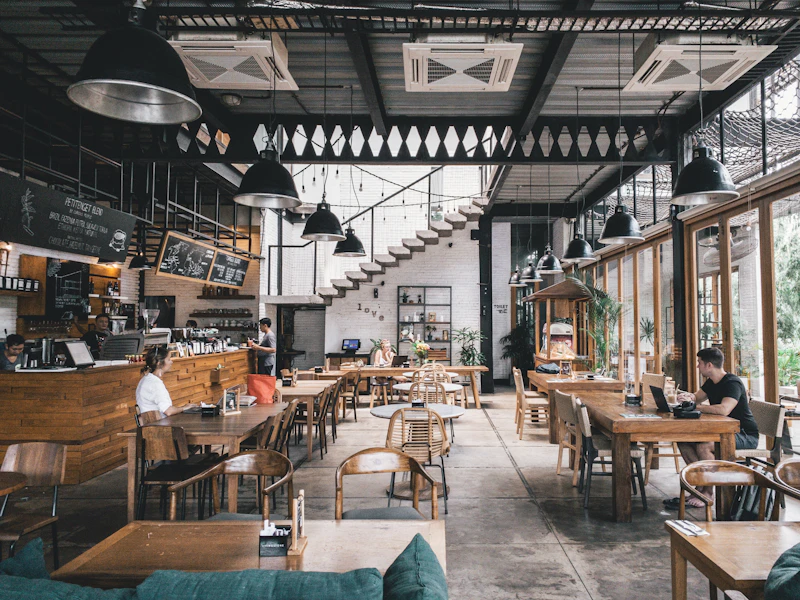
Warm, inviting restaurant interior representing the Caribbean dining establishments that serve as cultural anchors in diaspora communities

The Official Designation

In 2021, the City of Toronto officially designated the Eglinton West corridor as Little Jamaica — a recognition that came after years of advocacy by community organizations, particularly the Little Jamaica Coalition. The designation was significant because it acknowledged the area's cultural importance at a time when that culture was under severe threat from development and gentrification.

The designation was not merely symbolic. It came with commitments to cultural preservation, business support, and recognition of the Caribbean community's contributions to Toronto's identity. However, community advocates have argued that the designation must be backed by concrete action — including financial support for businesses, affordable housing protections, and meaningful consultation with residents about the neighborhood's future.

For visitors, the official designation means that Little Jamaica is recognized as a cultural destination. But it also means understanding that this recognition was hard-won and that the community continues to fight for its survival. Your visit is most meaningful when it supports the businesses and organizations that sustain the culture.

Sound Systems, Dancehall, and Toronto's Reggae Voice

Toronto's sound system culture is a direct transplant from Kingston, adapted to the Canadian context. When Jamaican immigrants arrived in the 1960s and 1970s, they brought the sound system tradition with them — the practice of building massive speaker stacks, selecting records for a crowd, and creating community through music. In Toronto, sound systems operated at house parties, community center dances, and eventually at clubs and larger venues.

The Toronto sound system scene developed its own character. Systems like Kilowatt, King Addies, and numerous community sounds established reputations for their selections, their speaker quality, and their ability to control a dance. Sound clashes — competitive events where systems face off, playing records to see who can draw the biggest crowd reaction — became a major part of Toronto's Caribbean entertainment culture.

Toronto also developed a distinctive musical voice. The city's proximity to American media meant that Caribbean Torontonians absorbed hip-hop, R&B, and American popular culture alongside their Jamaican musical heritage. This fusion produced artists who moved between reggae, dancehall, hip-hop, and R&B with fluency. The Toronto sound — a hybrid that drew from Caribbean, American, and Canadian influences — became increasingly influential in global popular music.

Toronto Artists Who Shaped Reggae and Dancehall

Toronto has produced significant reggae and dancehall artists. Michie Mee, one of Canada's first female MCs, drew directly from both hip-hop and dancehall traditions. Kardinal Offishall brought Caribbean rhythms into Canadian hip-hop with tracks that explicitly acknowledged his Jamaican heritage. Snow's 1992 hit "Informer" — a dancehall-influenced track by a white artist from the Allenbury Gardens housing project who grew up immersed in Caribbean culture — became one of the best-selling reggae-influenced singles in history, while also raising complex questions about cultural authenticity and appropriation.

More recently, Toronto's global musical influence has expanded dramatically. While artists like Drake draw from Caribbean sounds (particularly dancehall rhythms and cadences), the relationship between Toronto's mainstream music industry and its Caribbean community is complicated. The absorption of Caribbean musical elements into pop music does not always translate into recognition or economic benefit for the Caribbean community that developed those sounds. This is a dynamic that visitors to Little Jamaica should understand — the music that the world now associates with Toronto was incubated in Caribbean communities that receive uneven credit.

The reggae and dancehall scene in Toronto continues through live events, sound system sessions, and a network of promoters, DJs, and venues across the Greater Toronto Area. Regular dancehall nights occur at various venues, and annual events draw major Jamaican and international artists. The scene is not centralized in one neighborhood but is spread across the GTA, reflecting the dispersal of the Caribbean community across the metropolitan area.

Concert sound equipment and stage lights representing the sound system tradition that connects diaspora communities to Kingston's musical heritage

Community Radio and Media

Caribbean media in Toronto has played a crucial role in sustaining the culture. Caribbean radio programs, community newspapers, and digital media platforms keep the community connected. CHRY 105.5 FM (York University's community radio station) and various online platforms broadcast reggae, dancehall, and soca. The Share newspaper and Caribbean Camera have documented community life for decades. These media outlets are essential cultural infrastructure — they maintain the communication networks that hold the community together.

Caribana: North America's Greatest Caribbean Celebration

Vibrant festival parade scene with colorful costumes and music, representing the energy of Caribbean carnival celebrations

The Reggae Connection

While Caribana is primarily associated with soca, calypso, and mas (masquerade) traditions rooted in Trinidad and Tobago, reggae and dancehall play a significant role in the broader festival ecosystem. During Caribana season, reggae and dancehall events proliferate across Toronto. Sound system sessions, concert events featuring Jamaican artists, and club nights cater to the Jamaican segment of the Caribbean community. The festival season brings the entire Caribbean diaspora together, and the cross-pollination between Trinidadian, Jamaican, Guyanese, Barbadian, and other Caribbean cultures creates a pan-Caribbean cultural moment.

The Toronto Caribbean Carnival — still widely known by its original name, Caribana — is one of North America's largest cultural festivals. Founded in 1967 as part of Canada's centennial celebrations, it was organized by Caribbean community members who wanted to showcase their cultural traditions. What began as a modest event on the Toronto Islands has grown into a multi-week festival that attracts over two million visitors and generates an estimated $400 million in economic activity.

Caribana's centerpiece is the Grand Parade, held on the first Saturday of August along Lake Shore Boulevard West. Mas bands — groups of costumed performers — dance along the route to the sounds of soca and calypso music played from massive trucks. The costumes are spectacular productions, often taking months to create, featuring elaborate beadwork, feathers, and designs that draw from Caribbean mythology, African heritage, and contemporary themes.

Like Notting Hill Carnival in London, Caribana has a complex political history. The festival has faced financial challenges, organizational disputes, and tensions with city authorities over route changes, noise restrictions, and policing. The Caribbean community has had to fight repeatedly to maintain the festival's character against commercial pressures and bureaucratic interference. Understanding this context is important for visitors — Caribana is not simply a party but a cultural assertion that has required sustained community effort to maintain.

The broader Caribana season — the weeks surrounding the Grand Parade — includes concerts, parties, boat cruises, cultural events, and community celebrations across the city. This is when Toronto's Caribbean character is most visible, and when the energy of the community is at its peak. For visitors interested in reggae specifically, Caribana season offers numerous dedicated events alongside the soca-focused main parade.

Gentrification, the LRT, and the Fight for Little Jamaica

Little Jamaica faces what may be the most severe gentrification threat of any Caribbean diaspora neighborhood in the world. The Eglinton Crosstown LRT project — a major transit construction initiative that has torn up Eglinton Avenue for over a decade — has devastated the commercial corridor. Construction barriers, reduced sidewalk access, eliminated parking, and years of disruption have driven many Caribbean businesses to closure or relocation.

The LRT project, while intended to improve transit access, has had catastrophic short-term effects on the Caribbean commercial strip. Businesses that survived on foot traffic and community loyalty could not survive years of construction that made their storefronts virtually inaccessible. The City of Toronto offered some financial support to affected businesses, but community advocates argue it was insufficient and poorly targeted.

Beyond the LRT, broader gentrification forces are reshaping the neighborhood. Rising property values in midtown Toronto have attracted developers and new residents with higher incomes. Caribbean businesses, many of which operated on thin margins, cannot compete with the rents that new commercial tenants can pay. The pattern is familiar from Brixton, Harlem, and other diaspora neighborhoods worldwide — the cultural character that makes a neighborhood desirable is destroyed by the economic forces that desirability attracts.

The human cost is real. Families who built their lives along Eglinton West have been displaced. Business owners who invested decades of labor into their establishments have been forced to close. The social fabric of the community — the barbershop conversations, the patty shop regulars, the sound of reggae drifting from storefronts — has been torn. These are not abstract economic processes. They are the disruption of real lives and real communities.

Community Resistance and Advocacy

The Caribbean community has not accepted gentrification passively. The Little Jamaica Coalition, comprising community organizations, business owners, residents, and cultural advocates, has been at the forefront of efforts to preserve the neighborhood's character. Their work secured the official Little Jamaica designation from the City of Toronto in 2021 — a significant victory that provides a framework for cultural preservation.

Community advocacy has focused on several fronts: securing financial support for businesses affected by LRT construction, pushing for affordable housing protections, demanding meaningful community consultation in development decisions, and establishing cultural heritage protections for the corridor. The coalition has also worked to document the community's history, ensuring that even if physical spaces change, the cultural record endures.

Artists and cultural workers have contributed to preservation efforts through murals, oral history projects, community events, and media documentation. The Little Jamaica designation has been accompanied by public art initiatives that celebrate the neighborhood's Caribbean heritage. These efforts serve both to affirm community identity and to create visible markers of cultural significance that can influence development decisions.

For visitors, understanding the gentrification context transforms a casual visit into a meaningful act of solidarity. When you eat at a Caribbean restaurant on Eglinton West, you are supporting a business that has survived years of construction disruption. When you buy from a Caribbean-owned shop, you are contributing to the economic base that sustains the community. When you engage with the neighborhood's history, you are participating in the cultural documentation that preservation depends on.

Do not treat Little Jamaica's struggles as spectacle. Do not photograph construction damage or closed businesses as evidence of "gritty authenticity." Come to learn, to eat, to shop, and to listen. Your economic participation and your respectful attention are the most valuable things you can offer.

How to Visit Little Jamaica Respectfully

Eat Caribbean

The most direct way to support Little Jamaica is through your stomach. Eat at the Caribbean restaurants along Eglinton West. Try Jamaican patties, jerk chicken, curry goat, oxtail, and ackee and saltfish. Ask for recommendations — the staff know their food and appreciate genuine interest. Avoid chains; spend your money where it sustains the community.

Shop Local

Buy from Caribbean-owned businesses. Browse the grocery stores for Jamaican products. Visit any remaining record shops. Purchase from local vendors. Every dollar spent at a Caribbean business on Eglinton West is a vote for the community's survival. The economics of gentrification are fought at the cash register.

Learn the History

Understand why Little Jamaica exists before you visit. Read about Caribbean migration to Canada, the Domestic Scheme, the 1967 Immigration Act, and the community-building that created Eglinton West. Visit with context, not just curiosity. The Black community's history in Toronto is deep and complex — engage with it seriously.

Attend Events

Look for sound system sessions, reggae events, and Caribbean cultural programs in the GTA. Caribana season (late July to early August) offers concentrated cultural experiences. Support events organized by and for the Caribbean community, not just commercial promotions that extract from the culture.

Respect the Space

Little Jamaica is a neighborhood, not a theme park. People live and work here. Do not treat residents as photo subjects or the neighborhood as an "experience" to document on social media. Engage respectfully, be a customer rather than a tourist, and understand that your presence is welcome when it is genuine and economically supportive.

Acknowledge Gentrification

Do not romanticize what gentrification has done. If a business has closed, that represents a family's lost livelihood. If the street is torn up from construction, that represents years of community disruption. Understand the tension between development and displacement, and position yourself on the side of the community that built this place.

Caribbean Toronto Beyond Little Jamaica

While Little Jamaica is the symbolic center of Caribbean Toronto, the community extends across the Greater Toronto Area. Jane and Finch, in the city's northwest, has a large Caribbean population and its own cultural institutions, restaurants, and community organizations. Scarborough, in the east, is home to a significant Caribbean community with its own commercial strips, churches, and cultural life. Malvern, Rexdale, and other neighborhoods each have their Caribbean stories.

The dispersal of the Caribbean community across the GTA means that reggae and dancehall culture is not confined to one neighborhood. Events happen in venues across the city and suburbs. Caribbean restaurants are found throughout Toronto. Sound system sessions occur in community centers, clubs, and private venues from Mississauga to Pickering. This geographic spread reflects both the size of the community and the housing pressures that have pushed Caribbean families outward from the city center.

For visitors seeking the full picture of Caribbean Toronto, exploring beyond Eglinton West is worthwhile. The Kensington Market area, while not specifically Caribbean, reflects Toronto's multicultural character and hosts Caribbean food vendors. The Scarborough Bluffs area has Caribbean restaurants and shops serving the eastern community. Brampton, in the western suburbs, has a growing Caribbean population with its own cultural infrastructure.

Toronto's Caribbean community has also built institutional infrastructure: community organizations, churches, cultural centers, and social service agencies that serve the population. Organizations like the Jamaican Canadian Association, the Caribbean Cultural Committee (which organizes Caribana), and numerous smaller community groups provide the organizational backbone that sustains cultural life. These institutions represent decades of community building and are as much a part of Caribbean Toronto as the restaurants and record shops.

The story of Caribbean Toronto is ultimately a story of community building against odds — of people who left their island homes, crossed an ocean, and built a Caribbean world in a northern city. Little Jamaica is the most visible expression of this achievement, but it is only part of a much larger cultural landscape that spans the entire metropolitan area.

Toronto Little Jamaica: Frequently Asked Questions

Little Jamaica is located along Eglinton Avenue West in Toronto, roughly between Oakwood Avenue and Keele Street, in the York-Eglinton neighborhood. This stretch has been the commercial and cultural heart of Toronto's Jamaican community since the 1960s and 1970s. The area was officially designated as Little Jamaica by the City of Toronto in 2021. It is accessible via the Eglinton West bus route and is near several TTC stations. The neighborhood is characterized by Caribbean restaurants, patty shops, barbershops, and community businesses that serve the Jamaican and broader Caribbean community.
Yes, Little Jamaica faces significant gentrification pressure. The Eglinton Crosstown LRT construction project has disrupted businesses along Eglinton West for over a decade, causing many Caribbean-owned shops to close. Rising property values have further displaced community members. The Little Jamaica Coalition has fought for recognition, cultural preservation, and business support. The official designation in 2021 was partly a response to these concerns. Visiting and spending money at remaining Caribbean businesses is one of the most direct ways to support the community during this challenging period.
Eglinton West is celebrated for its Caribbean food. Look for Jamaican patty shops, jerk chicken spots, and restaurants serving traditional fare like curry goat, oxtail stew, ackee and saltfish, and rice and peas. Caribbean grocery stores stock imported Jamaican products. While specific restaurants change over time — especially given the LRT construction disruptions — the concentration of authentic Caribbean cooking along Eglinton West remains significant. Ask locals for current recommendations, as the community's knowledge is the best guide to what is currently open and excellent.
Toronto's reggae calendar centers on the Toronto Caribbean Carnival (Caribana), held in late July and early August. While Caribana's Grand Parade focuses on soca and calypso, the broader festival season includes numerous reggae and dancehall events across the city. Jerk Fest celebrates Caribbean food culture with live music. Throughout the year, sound system sessions, dancehall nights, and concerts featuring Jamaican and international reggae artists take place at venues across the Greater Toronto Area. Check local Caribbean media and event listings for current programming.
Jamaican migration to Toronto began in significant numbers in the 1960s. The West Indian Domestic Scheme of 1955 first allowed Caribbean women to enter Canada as domestic workers. The 1967 Immigration Act replaced race-based restrictions with a points system, opening the doors for skilled migrants. Jamaicans arrived as nurses, teachers, tradespeople, and professionals, settling along Eglinton West and in other Toronto neighborhoods. By the 1970s, a substantial community had built cultural infrastructure including sound systems, restaurants, record shops, and community organizations that remain active today. Toronto now has one of the largest Jamaican diaspora populations in the world.

Explore More Reggae Destinations

Toronto is one node in a global network of reggae diaspora cities. Explore the roots in Kingston, the deep scene in London, the unexpected culture in Tokyo, or discover the world's best reggae festivals.