Vibrant street festival celebration with colorful decorations and crowds of people
Notting Hill Carnival Guide

Notting Hill Carnival:
Reggae Roots Guide

Europe's largest street festival was born from Caribbean resistance, powered by sound systems, and rooted in the same culture that produced reggae. This is how to experience its beating heart.

The History: From Windrush to Carnival

Historic London street scene with Victorian architecture in the Notting Hill neighborhood

The story of Notting Hill Carnival begins not with music or dancing but with violence and resistance. To understand the carnival is to understand the experience of Caribbean people in post-war Britain — a story of migration, exploitation, racism, and the extraordinary cultural response that emerged from that suffering.

The Windrush Generation

On June 22, 1948, the Empire Windrush docked at Tilbury, Essex, carrying 492 passengers from Jamaica and other Caribbean islands. They had been invited — Britain, rebuilding after World War II, needed workers. Caribbean men and women came to fill jobs in the National Health Service, London Transport, and British industry. They came as British subjects, holding British passports, responding to the "Mother Country's" call for help.

What they found was hostility. "No Irish, No Blacks, No Dogs" signs hung in the windows of boarding houses. Employment discrimination was rampant. Housing was scarce, and landlords who would rent to Caribbean tenants charged extortionate rates for overcrowded, poorly maintained properties. In the Notting Hill and Ladbroke Grove area of West London, Caribbean migrants found some of the only housing available to them — much of it controlled by the notorious slum landlord Peter Rachman, who exploited their vulnerability.

The 1958 Race Riots

In late August and early September 1958, white mobs attacked Caribbean residents in Notting Hill. Over several nights, groups of young white men — many associated with Oswald Mosley's fascist movement — roamed the streets assaulting Black people, attacking their homes, and terrorizing the community. The police response was widely criticized for its inadequacy and its tendency to arrest Caribbean people defending themselves rather than the white attackers.

The riots exposed the reality of racist violence in Britain and galvanized the Caribbean community. It was in direct response to these events that the seeds of the carnival were planted.

Claudia Jones: The Mother of Caribbean Carnival in Britain

Claudia Jones was born in Trinidad in 1915 and spent much of her life in the United States, where she was a journalist, activist, and member of the Communist Party. Deported from the US during the McCarthy era in 1955, she settled in London, where she founded the West Indian Gazette, the first major Black newspaper in Britain.

In January 1959, Jones organized a Caribbean carnival at St. Pancras Town Hall — an indoor event featuring calypso music, Caribbean food, and cultural performances. The event was explicitly a response to the Notting Hill riots: a demonstration that Caribbean culture was beautiful, valuable, and permanent in Britain. Jones understood that cultural assertion was a form of political resistance. By celebrating Caribbean culture publicly, she was claiming space in a society that had tried to deny it.

Jones died in 1964, but the seed she planted grew. In 1966, Rhaune Laslett, a local social worker, organized a community street fair in Notting Hill that incorporated Caribbean elements, including a steel band led by Russell Henderson. This outdoor event, evolving year by year, became the Notting Hill Carnival as it is known today. The transition from Jones's indoor cultural event to the massive street festival was gradual, but the spirit was continuous: Caribbean people asserting their cultural presence in a society that had tried to exclude them.

The Sound System Arrives

The Jamaican sound system was introduced to Notting Hill Carnival in the 1970s, and its arrival transformed the event. Where the parade and mas bands represented the Trinidadian carnival tradition, the sound systems brought the Jamaican dancehall experience to the streets. Static sound systems — massive speaker stacks set up on side streets and intersections — played reggae, dub, and eventually dancehall to crowds that gathered around them, recreating the Kingston dance experience in West London.

The sound system became the reggae side of carnival — the space where Jamaican musical culture was most fully expressed. While the parade route featured soca, calypso, steelpan, and mas bands in the Trinidadian tradition, the sound system streets offered a different experience: deep bass, roots reggae, dub versions, and the physical, communal, almost ritualistic experience of standing in front of a wall of speakers and feeling the music in your chest.

The Reggae Sound Systems at Carnival

Massive loudspeaker stack with concert lighting at an outdoor music event

The sound systems at Notting Hill Carnival are not stages, not DJ booths, not entertainment installations. They are self-contained cultural institutions — each with its own history, its own community, its own sonic identity. Understanding the sound systems is essential to understanding the reggae experience at carnival.

Channel One Sound System

Channel One Sound System, operated by Mikey Dread (not to be confused with the Jamaican artist of the same name), is one of the longest-running and most respected sound systems at Notting Hill Carnival. Their setup — typically on Leamington Road Viaduct or a nearby location — features a custom-built speaker stack that is among the largest at carnival. Channel One plays a carefully curated selection of roots reggae, dub, digital reggae, and selected dancehall, with an emphasis on sound quality and musical depth.

The Channel One experience at carnival is distinctive: a massive wall of speakers, crystal-clear sound, and a crowd that includes some of the most knowledgeable reggae listeners in Europe. The sound system has been at carnival for decades, and its setup has become one of the iconic images of the event. For the reggae traveler, finding Channel One at carnival is the single most important thing to do — it is the purest expression of Jamaican sound system culture at the event.

Aba Shanti-I

Aba Shanti-I is a roots and dub sound system known for its extraordinary power and spiritual intensity. The system's operator, of Ethiopian heritage, brings a Rastafari consciousness to the sound system experience that connects directly to the spiritual traditions of Jamaican roots reggae. Aba Shanti-I's carnival sessions are experiences of total immersion — the bass frequencies are physical, the dub effects are hypnotic, and the atmosphere is closer to a spiritual gathering than a party.

The Aba Shanti-I experience is not for casual listeners. The bass is extremely heavy — you will feel it in your internal organs. The sessions can last for hours, and the crowd that gathers around the system is devoted and serious about the music. But for those who are prepared for the intensity, Aba Shanti-I at carnival is one of the most powerful musical experiences available anywhere in the world.

The Legacy of Jah Shaka

Jah Shaka, who passed away in April 2022, was for decades the most revered sound system operator at Notting Hill Carnival and in the broader UK reggae scene. His sessions at carnival were legendary — all-day events that drew thousands of devoted followers who returned year after year to the same spot. Shaka's approach to sound system culture was spiritual rather than entertainment-oriented. He played roots reggae and dub as a form of worship, and his sessions functioned as communal spiritual experiences.

Since Shaka's death, memorial events and tribute sessions at carnival have honored his legacy. New sound systems and operators carry forward his tradition, but his absence is felt deeply by the reggae community. For the reggae traveler attending carnival, understanding Shaka's significance — and the significance of his loss — provides essential context for the sound system experience.

Other Sound Systems

Notting Hill Carnival features numerous other sound systems playing reggae, dub, dancehall, and related genres. King Earthquake, Jah Observer, Nasty Love, Trojan Sound System, and various guest systems contribute to the sonic landscape. Each has its own character, its own community, and its own location within the carnival geography. Exploring these different systems — moving from one to another, experiencing the different sonic signatures and musical selections — is one of the great pleasures of carnival.

Beyond the reggae systems, carnival also features sound systems playing soca, jungle, drum and bass, UK garage, Afrobeats, and other genres. The musical diversity reflects the breadth of Caribbean and Black British culture. The reggae systems, while central, are part of a larger whole.

The Trinidadian Roots: Carnival's Other Half

Colorful carnival parade with elaborate costumes and decorations

To understand Notting Hill Carnival fully, it is necessary to understand that it is not primarily a reggae event. The carnival's deepest roots are Trinidadian, and the parade — the mas bands, the floats, the costumes, the soca and calypso music — represents the Trinidadian carnival tradition transplanted to London.

Trinidad and Tobago's carnival tradition dates to the 18th century, when French planters brought masquerade ball culture to the islands. After emancipation in 1838, formerly enslaved Africans claimed carnival as their own, transforming it from a European social event into a celebration of African-Caribbean identity, resistance, and creativity. The traditions of mas (masquerade), calypso (satirical, narrative music), steelpan (the instrument invented in Trinidad from oil drums), and "playing mas" (wearing elaborate costumes and dancing in the street) all originate in this history.

When Claudia Jones organized the first Caribbean carnival in London, she drew on this Trinidadian tradition. The mas bands, steelpan orchestras, and soca music that dominate the parade route are direct expressions of Trinidadian cultural practice. The reggae sound systems, which developed alongside the parade, represent the Jamaican contribution to an event that was always multi-island and multicultural.

The reggae traveler should appreciate this duality. Notting Hill Carnival is not a reggae festival with some soca; nor is it a soca carnival with some reggae. It is a Caribbean cultural event where multiple traditions coexist, each with its own history, its own community, and its own significance. Experiencing both the parade and the sound systems — the Trinidadian and the Jamaican — is essential to understanding the full meaning of carnival.

How to Experience the Reggae Side of Carnival

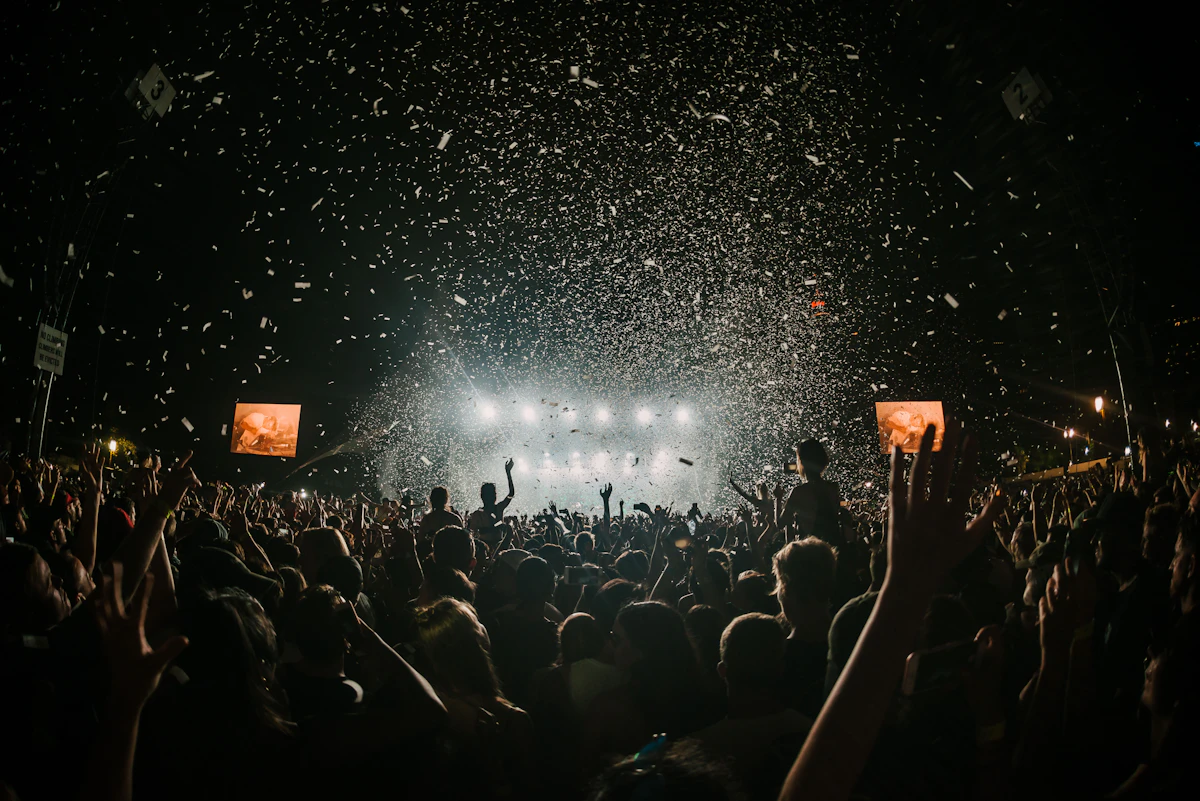
Crowd at an outdoor music event with hands raised and colorful stage lights in the background

Before You Go

Understand the history. Read about the Windrush generation, the 1958 riots, Claudia Jones, and the development of carnival. Understanding why the carnival exists transforms your experience from consumption to participation.

Know the geography. The carnival covers a large area of Notting Hill and Ladbroke Grove. The parade route follows a defined path through the streets, but the sound systems are located on specific side streets and intersections. Maps of sound system locations are published in advance — study them before you arrive. Key stations on the London Underground for carnival access are Notting Hill Gate, Ladbroke Grove, and Westbourne Park (though closures and access restrictions change from year to year).

Plan your day. Sunday (Family Day) is more relaxed and less crowded — an excellent option for first-time visitors or those with children. Monday is the main event: larger crowds, louder systems, longer hours. The sound systems typically start playing in the late morning and continue until the official closing time (usually around 7 PM, though enforcement varies).

During Carnival

Arrive early. The best position at a sound system is established early in the day. Regulars arrive when the system begins playing and maintain their spots. Arriving late means standing at the back of a dense crowd.

Dress appropriately. You will be standing for hours in potentially hot weather in a dense crowd. Wear comfortable shoes (no open-toed sandals), light clothing, and bring rain protection (British weather is unpredictable). Avoid carrying large bags — space is extremely limited in sound system crowds.

Eat the food. Carnival food is one of the great pleasures of the event. Caribbean food stalls along the streets serve jerk chicken, curry goat, rice and peas, fried plantain, corn on the cob, and other dishes. The food is prepared by local Caribbean families and businesses, and purchasing it supports the community that created the carnival. Eat from the street stalls, not from chain restaurants.

Respect the sound system space. The area immediately in front of the speakers is occupied by the system's core community — people who have attended for years and consider carnival their most important annual cultural event. Do not push to the front. Find a comfortable position and settle in. The experience is about letting the music wash over you, not about being at the very front.

Be aware of your surroundings. Carnival attracts over a million people to a relatively small area. Pickpocketing occurs. Keep valuables secure. Stay hydrated. Know where the exits are from the sound system area. If the crowd becomes too dense for comfort, move to a less crowded area.

Avoiding the Tourist Trap

The commercialization of Notting Hill Carnival is a real concern for the Caribbean community that created it. Corporate sponsorship, branded stages, and the influx of visitors who have no connection to or knowledge of Caribbean culture have created tension. The reggae traveler can resist this by: attending the sound systems rather than the corporate stages; buying food from community stalls rather than chains; learning and respecting the history; and understanding that carnival belongs to the Caribbean community, not to visitors.

Do not treat carnival as a costume party. Do not wear Caribbean cultural dress that is not your own. Do not drape yourself in Jamaican flags if you are not Jamaican. Do not treat Caribbean food, music, or cultural practices as exotic entertainment. Come as a respectful guest, spend money in ways that support the community, and understand that your enjoyment is a privilege extended by the people who built this event from resistance and love.

The Cultural and Political Significance of Carnival

Notting Hill Carnival is not merely a cultural event — it is a political statement. Every year, when a million people fill the streets of one of London's wealthiest neighborhoods to celebrate Caribbean culture, they are reenacting the original act of resistance that Claudia Jones initiated in 1959. The carnival says: we are here, we have always been here, and our culture is valuable, beautiful, and permanent.

This political dimension has been tested repeatedly. The carnival has faced opposition from local residents, police, and politicians throughout its history. The Notting Hill area, once a working-class neighborhood with significant Caribbean and immigrant populations, has gentrified dramatically since the 1990s. Property values around Portobello Road are now among the highest in London. The tension between the carnival's roots in a working-class Caribbean community and the area's current status as one of London's most expensive neighborhoods is palpable.

Policing of carnival has been a persistent source of conflict. The Metropolitan Police's approach to carnival — which has historically involved a larger, more visible, and more aggressive presence than at comparable events attended primarily by white audiences — reflects broader patterns of racial profiling and over-policing of Black communities in Britain. The Caribbean community's relationship with the police at carnival is shaped by decades of experience that includes both genuine security concerns and discriminatory enforcement.

The Windrush scandal of 2018, in which the British government wrongly detained, denied rights to, and in some cases deported members of the Windrush generation and their descendants, added a new layer of political urgency to carnival. The scandal exposed the ongoing vulnerability of Caribbean communities in Britain and reminded carnival-goers that the struggle for recognition, rights, and dignity that motivated Claudia Jones in 1959 is not over.

For the reggae traveler, understanding this political context transforms the carnival experience. The bass from a Channel One or Aba Shanti-I sound system is not just music — it is the sound of a community that has fought for its right to exist in Britain. The jerk chicken from a Ladbroke Grove food stall is not just a meal — it is the taste of cultural survival. The parade costumes, the steelpan orchestras, the calypso songs — all of it is testament to a community that responded to violence with creativity, to exclusion with celebration, to silence with sound.

Beyond Carnival: London's Year-Round Reggae Scene

Notting Hill Carnival is the most visible expression of reggae culture in London, but the city's reggae scene operates year-round. For travelers who cannot visit during the August Bank Holiday, London offers continuous opportunities to experience reggae and sound system culture.

Sound system sessions: Channel One, Aba Shanti-I, and other systems operate regular sessions throughout the year at various venues across London. These events, typically held on weekend nights, offer the sound system experience in a more intimate setting than carnival. Follow the systems on social media for event listings.

Record shops: Specialist reggae record shops in London include Supertone Records in Brixton, one of the last dedicated reggae vinyl shops in the city. These stores are not merely retail establishments — they are community gathering points and sources of musical knowledge.

Restaurants and food: Caribbean restaurants throughout Brixton, Hackney, Tottenham, and Harlesden serve Jamaican food year-round. The experience of eating authentic Caribbean food while reggae plays on the restaurant's sound system is a small-scale version of the carnival experience.

Cultural institutions: The Black Cultural Archives in Brixton documents the history of Caribbean communities in Britain. The Museum of London has materials related to carnival and Caribbean migration. These institutions provide historical context for the living culture you experience on the streets.

For a complete guide to London's reggae landscape, see our London Reggae Scene Guide. For the broader story of how reggae traveled from Kingston to London and beyond, explore our Reggae Diaspora Cities guide.

Frequently Asked Questions: Notting Hill Carnival

Notting Hill Carnival takes place annually on the August Bank Holiday weekend in London, typically the last weekend of August. Sunday is traditionally "Family Day" (or children's day), featuring the children's parade and a more family-oriented atmosphere. Monday is the main event, with the adult parade, the largest sound systems, and the most intense celebrations. Many associated events, parties, and warm-up sessions occur throughout the preceding week. The carnival has been held on this weekend since the 1960s, though its exact format and timing have evolved. Check the official Notting Hill Carnival website for exact dates and sound system locations each year.

The most significant reggae sound systems at Notting Hill Carnival include Channel One Sound System (operated by Mikey Dread, playing roots, dub, and digital reggae on a massive custom-built speaker stack), Aba Shanti-I (one of the most powerful and spiritually intense systems, specializing in roots and dub), King Earthquake, Jah Observer, Nasty Love, and Trojan Sound System. The sound system areas are located on specific side streets in the Notting Hill and Ladbroke Grove area, separate from the main parade route. These are self-contained systems that play recorded music through towering speaker stacks — a practice that directly descends from Jamaican sound system culture. Locations may vary from year to year, so check sound system maps published before the event.

No. Notting Hill Carnival is a multi-genre Caribbean cultural celebration with Trinidadian carnival traditions at its core. The parade features soca music, calypso, steelpan orchestras, and mas bands in the Trinidadian tradition. The static sound systems represent the Jamaican contribution, playing reggae, dub, and dancehall. The carnival also features UK garage, jungle, drum and bass, Afrobeats, and other genres reflecting the breadth of Caribbean and Black British culture. Understanding the carnival as a multi-island, multicultural event — not exclusively Jamaican — is essential to appreciating its full significance. The reggae sound systems are a vital component, but they are part of a larger cultural whole.

To experience Notting Hill Carnival respectfully: learn its history as a celebration born from Caribbean resistance to racism in Britain. Do not treat it as merely a party — it has deep political and historical significance. Spend money at Caribbean food stalls rather than chain establishments. Do not push to the front of sound system crowds. Dress appropriately but avoid cultural costumes that are not yours to wear. Do not take photographs of people without consent. Do not drape yourself in flags of countries you have no connection to. Follow the event's flow rather than trying to control it. Support the community economically by buying food and music from local vendors. Understand that you are a guest at someone else's celebration, and behave accordingly.

Notting Hill Carnival is directly connected to the Windrush generation — the Caribbean migrants who arrived in Britain from 1948 onward. These migrants settled in areas including Notting Hill, where they faced racial discrimination, housing exploitation, and social exclusion. The 1958 Notting Hill race riots, in which white mobs attacked Caribbean residents, were the immediate catalyst for the carnival's creation. Claudia Jones, a Trinidadian-born activist, organized an indoor Caribbean carnival in January 1959 as a direct response to the riots — an act of cultural resistance and community assertion. This event evolved into the outdoor street festival known today. The carnival is therefore inseparable from the Windrush story — it is the cultural expression of a community that was invited to Britain, faced hostility on arrival, and responded by building one of the world's great cultural celebrations.

Explore the Full Reggae Map

Notting Hill Carnival is one point on a global map of reggae culture. From Kingston's studios to Tokyo's dub bars, from Toronto's Little Jamaica to the sound systems of Berlin — the rhythm connects them all.

Dub Pilgrimage · Women in Reggae · Food & Culture · Return Home