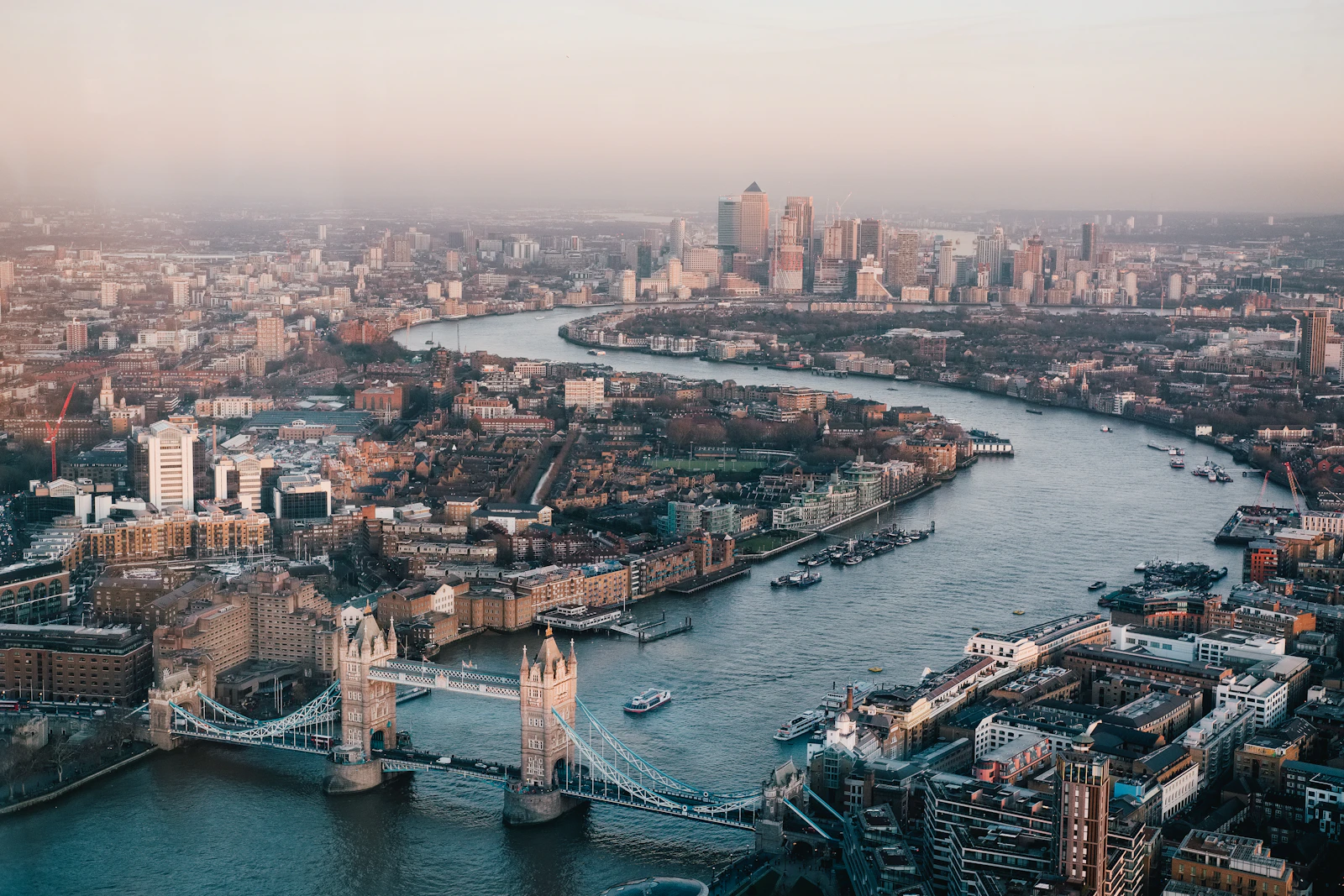
London cityscape at dusk with warm lights reflecting on the Thames, representing the city where Caribbean culture transformed British music
ReggaeTravel Diaspora Guide

London Reggae Scene.
Brixton to Notting Hill.

From the Windrush generation's first sound systems in 1950s Brixton to the thundering bass of Notting Hill Carnival, London is reggae's most important diaspora city. This is where the rhythm took root in foreign soil and grew into something unstoppable.

The Windrush Generation and the Birth of Black British Music

On June 22, 1948, the HMT Empire Windrush docked at Tilbury in Essex, carrying 492 passengers from the Caribbean. They had been invited by the British government to help rebuild a nation shattered by war. Many were from Jamaica, Trinidad, and Barbados. They brought their labor, their families, and their culture — including a musical tradition that would fundamentally reshape British society.

The new arrivals faced immediate hostility. Denied housing in many areas, Caribbean families concentrated in neighborhoods where landlords would accept them — notably Brixton in South London, Notting Hill in West London, and later Harlesden in North West London. These areas of forced concentration became, paradoxically, the seedbeds of one of the most vibrant musical cultures in British history.

The Windrush generation brought with them the sound system tradition born in 1950s Kingston. In cramped front rooms, community halls, and rented basements, sound men began setting up their speaker stacks and playing the records from home. Duke Vin, widely recognized as the first sound system operator in Britain, began playing in the mid-1950s. Count Suckle followed, establishing the Q Club in Paddington. Lloyd Coxsone — named in tribute to Clement "Sir Coxsone" Dodd — built one of London's most respected sounds. These were not mere entertainment operations. They were community institutions, providing social spaces for people systematically excluded from British public life.

The music evolved alongside the community. Jamaican mento and calypso gave way to ska in the early 1960s, rocksteady by 1966, and reggae by 1968. Each transformation was felt simultaneously in Kingston and London, the musical conversation flowing through letters, visitors, and imported vinyl. The two cities were connected by an invisible cultural circuit — what the music arrived in Jamaica, it reached London within weeks, carried by travelers and posted in brown paper parcels.

Historic London architecture in a neighborhood shaped by Caribbean migration and cultural resilience

Trojan Records: The Bridge

In 1968, Lee Gopthal founded Trojan Records, creating the most important bridge between Jamaican music and British audiences. Named after Duke Reid's Trojan sound system in Kingston, the label licensed and distributed Jamaican music across the UK. Trojan's compilations — Tighten Up, Club Reggae, and later the iconic Trojan Box Sets — introduced ska, rocksteady, and reggae to white British audiences, particularly the skinhead subculture of the late 1960s, which embraced Jamaican music before the movement was later co-opted by far-right elements.

Trojan was not alone. Pama Records, run by the Palmer brothers, also distributed Jamaican music widely. Island Records, founded by Chris Blackwell in Jamaica in 1959 and relocated to London, would become the label that broke Bob Marley internationally with Catch a Fire in 1973. London was not just receiving Jamaican music — it was amplifying it to the world.

The Windrush generation's cultural contribution cannot be overstated. They did not simply transplant reggae to London. They created the conditions — the communities, the sound systems, the record shops, the labels, the venues — that allowed reggae to become a permanent part of British culture. Every sound system session in London today traces its lineage to those front-room parties in 1950s Brixton.

Brixton: The Heartbeat of Black British Culture

Vibrant London street market scene reflecting the multicultural energy of neighborhoods shaped by Caribbean communities

Brixton's story is inseparable from reggae's story in Britain. When Caribbean migrants settled in Lambeth in the late 1940s and 1950s, Brixton became the center of Black British life in London. The area's large Victorian houses, many damaged during the Blitz, offered affordable rooms — and landlords who would rent to Black tenants when most of London would not.

By the 1960s, Brixton's Atlantic Road, Coldharbour Lane, and Railton Road — known locally as the "Front Line" — were the commercial and cultural arteries of the Caribbean community. Record shops lined the streets, selling imported Jamaican vinyl alongside locally pressed records. Sound systems operated from shops, basements, and community centers. The smell of jerk chicken and ackee mixed with the bass frequencies emanating from every other doorway.

Railton Road became legendary. In the 1970s and 1980s, it was the epicenter of resistance — both cultural and political. The 1981 Brixton riots (or uprising, depending on your perspective) were sparked by aggressive police tactics under "Operation Swamp 81," which disproportionately targeted young Black men through stop-and-search. The community's response was born from decades of discrimination in housing, employment, and policing. Reggae was the soundtrack of this resistance — songs by Steel Pulse, Linton Kwesi Johnson, and Aswad articulated the anger and aspiration of a generation.

Linton Kwesi Johnson and the Poetry of Resistance

No figure better embodies Brixton's fusion of reggae and political consciousness than Linton Kwesi Johnson. Born in Chapelton, Jamaica, in 1952, LKJ arrived in Brixton in 1963. He became a poet whose work was inseparable from reggae rhythms — his "dub poetry" set political verse to bass-heavy riddims, creating a new art form. Albums like Dread Beat an' Blood (1978) and Bass Culture (1980) were not just music — they were dispatches from the front line of Black British experience. When LKJ recited "Inglan Is a Bitch," he spoke for an entire generation of Caribbean immigrants confronting the gap between the promises of the "Mother Country" and the reality of racist Britain.

Brixton Today: Heritage and Gentrification

Modern Brixton is a study in tension. Gentrification has transformed the area dramatically since the 2000s. Property prices have soared, and many Caribbean businesses and families have been priced out. Brixton Village Market, once a Caribbean food hub, now hosts artisanal coffee shops alongside the remaining Caribbean vendors. The closure of longstanding businesses has been a source of profound community grief.

Yet cultural memory persists. Supertone Records continues to operate, stocking reggae, dub, and dancehall vinyl. Caribbean food vendors in the market maintain their presence. The Black Cultural Archives, which opened its permanent home on Windrush Square in 2014, preserves and celebrates the history of African and Caribbean people in Britain. Community organizations fight to preserve the Caribbean character of the neighborhood even as economic forces reshape it.

Visiting Brixton respectfully means understanding this context. Spend money at Caribbean-owned businesses. Visit the Black Cultural Archives. Eat at the Caribbean restaurants that have fed the community for decades. Understand that the "vibrant" and "edgy" character that makes Brixton attractive to newcomers was built by the same communities now being displaced. Brixton's reggae heritage is not a tourism product — it is a living history that demands engagement, not consumption.

Notting Hill Carnival: The World's Greatest Sound System Event

Notting Hill Carnival is the largest street festival in Europe and, arguably, the most important sound system event in the world. Held annually over the August Bank Holiday weekend, it attracts over two million people to the streets of West London. But Carnival is far more than a party — it is an act of cultural assertion born from resistance to racism.

The story begins with the 1958 Notting Hill race riots, when white mobs attacked Caribbean residents over several nights. In response, Trinidadian journalist and activist Claudia Jones organized an indoor Caribbean carnival in January 1959 at St. Pancras Town Hall — a deliberate cultural counter to racist violence. After Jones's death in 1964, community organizer Rhaune Laslett continued the tradition, moving it outdoors to the streets of Notting Hill in 1966. By the early 1970s, the event had grown significantly, and sound systems became its backbone.

The sound system is the heart of Carnival. Dozens of systems set up along the route, each occupying their traditional spot, each representing a distinct musical philosophy. The static sound systems — as opposed to the moving floats and mas bands — are where you will find the deepest reggae, dub, and roots music. This is where the connection to Kingston's sound system tradition is most direct.

The Legendary Sound Systems of Carnival

Channel One Sound System has been a Carnival fixture since the mid-1970s, founded by Mikey Dread (not to be confused with the Jamaican artist of the same name). Their spot on Westbourne Park Road is a pilgrimage site for dub lovers. Channel One's selections lean heavily toward roots reggae, dub, and steppers — deep, bass-heavy music played at volumes that vibrate your chest cavity. Their annual Carnival sessions are legendary, often running for twelve hours or more.

Aba Shanti-I (born in London to Jamaican parents) carries forward the tradition of Jah Shaka with a roots-and-dub focus. His sound system sessions are intense spiritual experiences — not casual listening events. Aba Shanti-I builds his own speaker cabinets, cuts dubplates, and maintains a philosophy rooted in Rastafari consciousness. At Carnival, his spot draws devotees who stand for hours in reverent attention to the bass.

Jah Shaka, who passed away in April 2023, was the godfather of London's roots sound system culture. Born in Clarendon, Jamaica, and raised in South East London, Shaka began operating his sound in the 1970s. His sessions were not dances — they were meditations. The lights were low, the incense burned, and the bass frequencies were deployed with spiritual intention. Shaka's influence on London's reggae culture is immeasurable. His passing marked the end of an era, but his disciples — including Aba Shanti-I and many others — continue the tradition.

Gladdy Wax, one of the UK's original sound system DJs, has been active since the 1970s and bridges the Windrush generation with contemporary culture. Jah Observer, King Earthquake, and Vibronics represent the continuing evolution of UK sound system culture, each bringing their own sonic identity while maintaining the roots tradition.

Colorful street scene in London's Notting Hill area, where Caribbean culture and sound system tradition come alive every August

Experiencing Carnival Respectfully

If you attend Notting Hill Carnival, understand what you are entering. This is not a music festival designed for your consumption. It is a Caribbean community celebration that welcomes visitors but does not exist for them. Respect the sound system spaces — do not push to the front if you are not part of that community. Follow the energy of the crowd. Do not treat Caribbean people or their culture as exotic photo opportunities. Understand the political history — Carnival has faced repeated attempts at restriction, over-policing, and sanitization. Your presence as a respectful visitor who spends money at Caribbean food stalls, buys records from specialist vendors, and engages with the music genuinely is welcome. Your presence as a tourist seeking an "authentic experience" to document on social media is not.

London's Hidden Reggae Neighborhoods

Harlesden: The Quiet Capital

If Brixton is the celebrated face of Caribbean London, Harlesden in North West London is its quieter, deeper counterpart. Harlesden's High Street has been a Caribbean commercial center for decades, with record shops, barbershops, food spots, and community organizations serving a predominantly Jamaican and wider Caribbean community. Peckings Records, founded by George Price (known as "Peckings"), operated from Harlesden for years and became one of the UK's most respected reggae record sources. While the physical shop has closed, the Peckings name remains synonymous with authentic reggae culture in London.

Harlesden has also been home to numerous sound systems and has hosted dances and sessions that draw selectors and followers from across the city. The area has faced many of the same gentrification pressures as Brixton, but its lower profile has provided some insulation. For visitors seeking authentic Caribbean London without the tourist overlay, Harlesden offers a genuine experience — eat at the Caribbean restaurants, browse the remaining specialist shops, and understand that you are in a community, not a destination.

Tottenham and South London

Tottenham in North London has its own deep Caribbean history, with a significant Jamaican community that established itself from the 1950s onward. The area has produced musicians, sound system operators, and cultural organizations that have shaped London's reggae landscape. Similarly, neighborhoods across South London — Lewisham, Peckham, Camberwell — each have their own Caribbean cultural histories, their own sound system lineages, and their own stories of community building in the face of racism.

Record Shops: London's Vinyl Heritage

London's reggae record shops are cultural institutions, not mere retail outlets. They have served as community gathering spaces, information networks, and distribution hubs for Jamaican music.

Supertone Records in Brixton is perhaps the last of the great Caribbean record shops in its original neighborhood. Walking into Supertone is stepping into a space where the walls are lined with decades of roots, dub, dancehall, and lovers rock on vinyl. The staff know their stock intimately, and recommendations come from deep knowledge, not algorithms.

Honest Jon's on Portobello Road in Notting Hill has been a destination for crate-diggers since the 1970s. While not exclusively a reggae shop, its Caribbean music section is deep and expertly curated. The shop sits in the heart of Carnival territory, and its history is intertwined with the sound system culture of the area.

Dub Vendor, originally based in Clapham Junction, pioneered mail-order reggae distribution in the UK. Founded in the early 1980s, Dub Vendor made rare Jamaican pressings accessible to collectors and sound systems nationwide. While the physical shop has closed, the label and distribution operation continues online.

These shops matter because they represent an endangered infrastructure. As vinyl culture has surged among general audiences, the specific role these shops played in Caribbean communities — as social spaces, as cultural connectors between London and Kingston, as places where you could hear the latest riddim before it was widely available — is harder to maintain. Support them when you visit.

Lovers Rock: London's Own Genre

London did not just receive reggae from Jamaica — it created its own subgenre. Lovers rock emerged in the mid-1970s from London's Caribbean community, a softer, romantic form of reggae influenced by American soul music. Pioneered by artists like Louisa Mark (whose "Caught You in a Lie" in 1975 is considered the first lovers rock record), Janet Kay ("Silly Games"), Carroll Thompson, and later Maxi Priest, lovers rock was a distinctly British Caribbean creation. It was the sound of house parties, of young love in Caribbean London, of a generation born in Britain but rooted in Jamaica. Steve McQueen's 2020 film Lovers Rock, part of his Small Axe anthology, beautifully captured this world.
Reggae, Race, and Resistance in Britain

Reggae in London has never been just music. From the moment Caribbean migrants began playing their sound systems in 1950s Britain, the music was political — an assertion of cultural identity in a society that sought to marginalize Black people. This political dimension deepened through the 1970s and 1980s as Caribbean communities faced systemic racism in housing, employment, education, and policing.

The Rock Against Racism movement, launched in 1976, brought reggae into direct alliance with punk in opposing the far right. The 1978 Carnival Against the Nazis in Victoria Park, East London, featured The Clash alongside Steel Pulse — a powerful symbol of musical solidarity against racism. The Clash's engagement with reggae was not mere cultural borrowing; it was built on genuine relationships with Caribbean musicians and a shared political commitment.

Steel Pulse, formed in Birmingham's Handsworth in 1975, brought reggae's political voice to British stages with unprecedented force. Their album Handsworth Revolution (1978) articulated the experiences of Black British youth with precision and anger. Aswad, formed in Notting Hill in 1975, similarly blended roots reggae with British experience. These bands were not imitating Jamaican reggae — they were creating a specifically British form that addressed British conditions through a Jamaican musical framework.

The 1981 uprisings in Brixton, Toxteth, and other cities were watershed moments. The Scarman Report, commissioned in response, acknowledged institutional racism for the first time in an official British document. Reggae was the cultural context for these events — not as incitement, but as the community's means of articulating its experience. Linton Kwesi Johnson's "Di Great Insohreckshan" (The Great Insurrection) documented the Brixton uprising in dub poetry, creating a permanent cultural record of those events.

The "sus laws" (stop and search powers under the Vagrancy Act 1824) that targeted Black youth, the New Cross Fire of 1981 (in which thirteen young Black people died, with inadequate police investigation), and ongoing discrimination shaped a generation's relationship with both British society and with reggae as a vehicle for expressing that relationship. The music was not an escape from reality — it was a confrontation with it.

This political dimension persists. Grime, UK garage, and drill — genres with roots in Caribbean sound system culture — carry forward the tradition of music as social commentary. Understanding London's reggae scene without understanding this political context is impossible. The bass frequencies that shake the walls at Carnival carry the weight of seventy years of Caribbean presence in Britain — the joy, the pain, the resistance, and the resilience.

For travelers, this means approaching London's reggae culture with awareness. You are not visiting a museum. You are entering a living political and cultural space shaped by decades of struggle. Come to learn, come to listen, and come with the understanding that this culture was built despite, not because of, the society around it.

How to Experience London's Reggae Scene

Sound System Sessions

Check listings on sites like Reggae Roast, Vibronics, and Channel One's social media for upcoming sessions. Events happen in community centers, warehouse spaces, and venues across London — particularly in South and East London. Arrive early, respect the space, and let the bass do the work. Sound system sessions are not typical club nights — the focus is on the music, not on socializing.

Notting Hill Carnival

Carnival takes place over the August Bank Holiday weekend. Sunday is traditionally family day; Monday is the main event. Arrive early to find the sound systems — Channel One on Westbourne Park Road, Aba Shanti-I nearby. Wear comfortable shoes. Bring cash for food stalls. Stay hydrated. Do not bring glass bottles. Follow the crowd's energy and respect the space.

Record Shopping

Visit Supertone Records in Brixton, Honest Jon's on Portobello Road, and Rough Trade East for vinyl. Ask for recommendations — record shop staff in London are knowledgeable and passionate. For online ordering of specialist reggae vinyl, check Dub Vendor and Peckings. Buying vinyl supports the culture directly.

Cultural Institutions

The Black Cultural Archives on Windrush Square in Brixton is essential. The Migration Museum documents the history of movement to and from Britain. The V&A has hosted exhibitions on Caribbean culture. These institutions provide context that deepens your understanding of reggae's place in British life.

Caribbean Food

Eat at Caribbean-owned restaurants in Brixton Market, Harlesden, and Tottenham. Jerk chicken, curry goat, ackee and saltfish, rice and peas — these are the flavors of the community that built London's reggae culture. Support these businesses; they are cultural institutions in their own right.

Year-Round Events

Beyond Carnival, London hosts regular reggae events year-round. Look for dub nights, roots sessions, and dancehall events. Reggae Roast runs monthly sessions. Various promoters organize events in venues across the city. University of Dub, run by Aba Shanti-I, hosts sessions in South London.

The Future of Reggae in London

London's reggae scene faces existential challenges. Gentrification has displaced Caribbean communities from their historic neighborhoods. The closure of venues, record shops, and community spaces has eroded the infrastructure that sustained the culture. The passing of elder sound system operators like Jah Shaka in 2023 marks the loss of irreplaceable cultural knowledge. Noise complaints from new residents in gentrified areas threaten the ability to hold sound system sessions.

Yet the culture persists and adapts. A new generation of sound system operators, selectors, and producers carries the tradition forward. Digital technology has expanded the reach of London's reggae culture globally, even as physical spaces shrink. The UK's vibrant dub and roots scene continues to produce innovative music that honors the tradition while pushing it forward. Artists and producers across London create music that bridges Jamaican roots with British experience, maintaining the creative dialogue that has defined London reggae since the Windrush era.

Community organizations work to preserve Caribbean heritage in the face of displacement. The campaign for the Windrush National Monument, unveiled in 2022 at Waterloo Station, represents growing recognition of the Caribbean community's contribution to British life. The Black Cultural Archives continues to expand its collection. Young people of Caribbean heritage assert their cultural identity through music, art, and activism.

For visitors, supporting this culture is straightforward: attend events, buy records, eat at Caribbean restaurants, visit cultural institutions, and spend money in the community. Understand that your visit takes place within a context of displacement and resistance. Come as a student, not a consumer. Listen more than you photograph. And carry what you learn back to wherever you come from — because the story of reggae in London is ultimately a story about what happens when people build beauty in hostile conditions, and that story belongs to everyone willing to hear it.

London's reggae scene is not what it was in the 1970s or 1980s. It cannot be — the city has changed, the community has been dispersed, and the physical landscape has been transformed. But the bass still shakes the walls at Carnival. The vinyl still spins at Supertone. The sound systems still stack their boxes in warehouse spaces across the city. The rhythm continues, because the people who carry it refuse to let it stop.

London Reggae Scene: Frequently Asked Questions

London offers reggae experiences across the city year-round. Brixton remains a hub with venues hosting regular reggae nights, while Notting Hill Carnival every August features the world's largest concentration of sound systems playing reggae, dub, and dancehall. Year-round, look for sessions by Channel One Sound System, Aba Shanti-I, and Jah Shaka's disciples. The Hootananny in Brixton and various community centers in Harlesden and Tottenham host regular roots sessions. Check social media for Reggae Roast, University of Dub, and other promoters for warehouse and venue events across South and East London. The scene is active but you need to seek it out — it does not advertise itself to tourists.
The Windrush connection is foundational to London's entire reggae culture. In 1948, the HMT Empire Windrush brought Caribbean migrants to Britain, many settling in Brixton, Notting Hill, and Harlesden. These communities brought their musical traditions and the sound system culture that would evolve into London's reggae infrastructure. By the 1960s and 1970s, Caribbean communities had established thriving sound systems, record labels like Trojan Records, and cultural institutions that sustained reggae across generations. The Windrush generation did not merely bring reggae to London — they built every element of the infrastructure that sustains it today.
London's remaining reggae record shops include Supertone Records in Brixton, which stocks roots, dub, and dancehall vinyl and serves as a community institution. Honest Jon's on Portobello Road in Notting Hill carries deep cuts and rare pressings with an expertly curated Caribbean section. For general vinyl with strong reggae sections, Rough Trade East is excellent. Dub Vendor, originally in Clapham Junction, pioneered mail-order reggae and continues online. The legendary Peckings Records in Harlesden, though no longer a physical shop, maintains its reputation through online sales and the Peckings label. These shops are cultural institutions — support them.
Notting Hill Carnival takes place annually over the August Bank Holiday weekend — the last weekend of August. Sunday is traditionally family day with a more relaxed atmosphere, while Monday is the main event with the full parade, mas bands, and all sound systems at maximum volume. The sound systems typically begin in the late morning and continue until the official end time in the evening, though after-parties continue elsewhere. Founded in 1966, Carnival has deep roots in Caribbean resistance to racism in London. It is free to attend. Arrive early to find the sound systems you want to experience, bring cash for Caribbean food stalls, and respect the cultural significance of what you are witnessing.
Brixton's identity as a reggae hub has evolved significantly due to gentrification. Rising property prices have displaced many Caribbean businesses and residents who built the community over decades. Iconic venues have closed, and the demographic character of the area has shifted substantially. However, Brixton Market still hosts Caribbean food vendors, Supertone Records continues to operate, and the Black Cultural Archives on Windrush Square preserves Caribbean heritage. Community organizations actively work to maintain the area's cultural identity. Brixton is no longer the reggae epicenter it was in the 1970s and 1980s, but visiting respectfully means understanding this tension between heritage and displacement — and spending your money at the Caribbean businesses that remain.

Explore More Reggae Destinations

London is one node in a global network of reggae culture. Explore the roots in Kingston, the Caribbean community in Toronto, the unexpected scene in Tokyo, or plan your travels around the world's best reggae festivals.