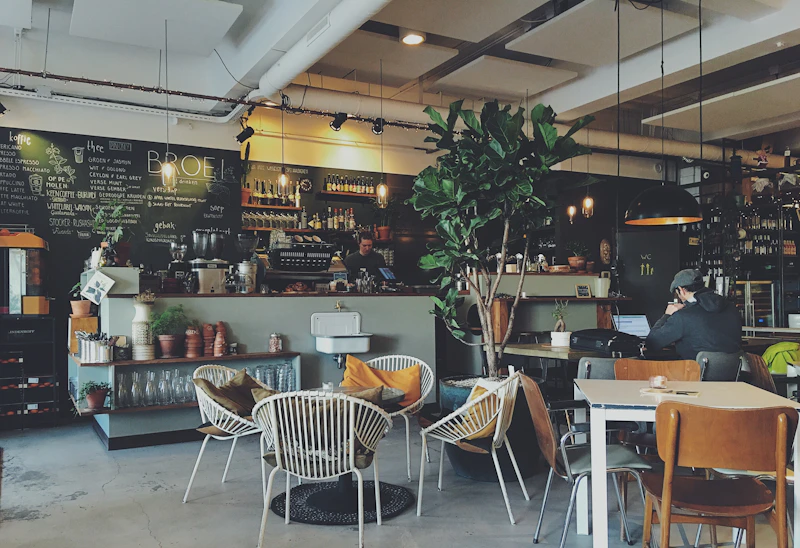
Tokyo cityscape at night with neon lights, the metropolis that built one of the world's most dedicated reggae cultures far from Jamaica
ReggaeTravel Global Guide

Tokyo Reggae Scene.
Japan's Deep Roots.

Ten thousand kilometers from Kingston, Japan built one of the most devoted reggae cultures on Earth. From Yokohama's Mighty Crown to Tokyo's intimate reggae bars, this is the story of how the bass crossed the Pacific and found a permanent home.

How Reggae Crossed the Pacific

The story of reggae in Japan begins with records — specifically, with Japanese vinyl collectors whose dedication to music extends across every genre they encounter. Japan has long been one of the world's most important markets for vinyl records, and Japanese collectors are globally renowned for their thoroughness, their preservation standards, and their willingness to pursue rare pressings across continents. When Jamaican music began reaching Japan in the 1970s through import channels, it found an audience primed for deep engagement.

The first wave of Japanese reggae interest was driven by the global impact of Bob Marley. The release of Catch a Fire in 1973 and the subsequent international tours brought reggae to audiences worldwide, including Japan. Marley's visit to Japan in 1979, during his tour in support of Survival, was a catalytic event. Japanese music fans experienced the power of live reggae, and for many, it was a transformative encounter. The concert footage and recordings from that tour circulated among Japanese music enthusiasts, seeding a community of dedicated fans.

But the Japanese engagement with reggae went far deeper than Marley fandom. By the early 1980s, Japanese collectors were seeking out roots reggae, dub, and dancehall records with the same intensity they brought to jazz, soul, and other genres. Specialist import shops in Tokyo began stocking Jamaican pressings. Bars and clubs dedicated to reggae opened in Shibuya, Shinjuku, and other neighborhoods. A community of enthusiasts formed around shared listening sessions, record trading, and a growing body of knowledge about Jamaican music history.

What distinguished the Japanese approach was its depth. Japanese reggae fans did not simply listen to reggae — they studied it. They learned about producers, labels, riddim patterns, and the social context from which the music emerged. They collected vinyl with archival dedication, preserving rare Jamaican pressings that were sometimes lost in Jamaica itself. This academic intensity would become a hallmark of Japanese reggae culture.

Atmospheric Tokyo street at night with warm lighting, representing the city's intimate reggae bar culture and late-night music scene

The Jamaica Connection

A crucial phase in the development of Japanese reggae culture came when enthusiasts began traveling to Jamaica. By the mid-1980s, Japanese reggae fans were making pilgrimages to Kingston — visiting studios, attending sound system sessions, meeting artists and producers, and absorbing the culture at its source. These were not tourist trips. They were educational missions undertaken by people committed to understanding reggae in its full complexity.

These visits built genuine relationships between Japanese and Jamaican musicians. Japanese visitors arrived with respect, knowledge, and genuine love for the music. They came to learn, not to take. This approach earned them acceptance within Jamaican music communities, and the relationships formed during these visits became the foundation for ongoing cultural exchange. Jamaican artists began visiting Japan, Japanese sound systems began acquiring exclusive dubplates from Jamaican vocalists, and a two-way cultural corridor opened between Kingston and Tokyo.

The depth of these connections cannot be overstated. When Mighty Crown won the World Clash in 1999, the Jamaican reaction was not surprise — it was recognition. The Japanese sound system community had spent years building relationships, acquiring dubplates, studying selection techniques, and proving their dedication. The victory was earned through cultural immersion, not casual interest.

Mighty Crown: Yokohama's Gift to World Reggae

Professional sound system equipment and turntables representing the dedication to audio quality that defines Japanese reggae culture

No discussion of Japanese reggae culture is complete without Mighty Crown. Founded in Yokohama in 1991 by Masta Simon, Sami-T, and their crew, Mighty Crown began as a local sound system playing at parties and small venues. But from the beginning, their ambition and dedication set them apart. They studied sound system culture with the same intensity that characterizes Japanese engagement with any craft — the pursuit of mastery through relentless practice and deep study.

Mighty Crown's members traveled to Jamaica repeatedly, building relationships with vocalists who would voice exclusive dubplates for their sound. In sound system culture, dubplates — one-off acetate recordings where artists re-voice their songs with specific sound system shout-outs — are the ultimate weapons. A sound system's dubplate collection represents its relationships, its reputation, and its investment in the culture. Mighty Crown accumulated a formidable collection, earned through genuine connections with Jamaican artists who respected the crew's dedication.

The defining moment came in 1999 at the World Clash in New York City. Sound system clashes are competitive events where crews face off, playing records and dubplates to see who can generate the greatest crowd response. The World Clash brought together top sounds from Jamaica, the United States, the UK, and beyond. Mighty Crown arrived as underdogs — a Japanese crew in a world dominated by Caribbean sounds.

They won. Decisively. Their selection was impeccable, their dubplate pull was devastating, and their ability to read and control the crowd was masterful. The victory sent shockwaves through the global reggae community. A Japanese sound system had defeated established Caribbean crews on the world stage, proving that authenticity in sound system culture was about dedication and skill, not geography or ethnicity.

The impact of Mighty Crown's victory extended far beyond the competition itself. It legitimized Japanese reggae culture in the eyes of the global community. It opened doors for other Japanese sound systems, artists, and promoters. It demonstrated that reggae's universal message — of justice, of resistance, of spiritual connection — could be received and transmitted by anyone willing to approach the culture with genuine respect.

Mighty Crown went on to win additional international competitions and became global ambassadors for reggae culture. They organized Yokohama Reggae Sai (Yokohama Reggae Festival), which grew into one of Asia's largest reggae events, attracting international artists and fans from across the Pacific Rim. Their legacy extends beyond their competitive achievements — they proved that cultural exchange, when approached with humility and dedication, enriches everyone involved.

The crew's influence on Japanese popular culture was significant. Their success helped bring reggae and dancehall into the Japanese mainstream, influencing fashion, language, and musical production. The Yokohama-Tokyo corridor became a recognized center of reggae culture, and Mighty Crown's members became cultural figures beyond the reggae community.

Tokyo's Reggae Bars: Temples of Sound

Tokyo's reggae bar culture is unlike anything else in the world. Japan has a long tradition of specialized music bars — small, intimate spaces dedicated to a single genre, with serious sound systems and expertly curated collections. Jazz kissaten (jazz coffee shops) have been a Tokyo institution since the mid-twentieth century, and reggae bars follow the same philosophy: a small space, a great sound system, an extensive vinyl collection, and an owner whose knowledge of the music is encyclopedic.

A typical Tokyo reggae bar is small — sometimes holding no more than twenty or thirty people. The sound system is disproportionately powerful for the space, because the point is not background music but focused listening. The owner, who often serves as DJ/selector, curates the evening's music from a collection that may include thousands of records, from rare 1960s ska pressings to the latest dancehall releases. Drinks are served, conversation happens, but the music is the center of attention.

These bars are concentrated in certain neighborhoods. Shibuya, Tokyo's youth culture center, has several dedicated reggae spots. Shinjuku, particularly the Golden Gai area (a labyrinth of tiny bars in one of Tokyo's most characterful neighborhoods), hosts music bars across all genres, including reggae. Daikanyama, Shimokitazawa, and other neighborhoods also have dedicated spots. Each bar has its own character — some lean toward roots and dub, others toward dancehall, others toward a wider Caribbean mix.

The experience of visiting a Tokyo reggae bar is distinct from hearing reggae anywhere else in the world. The listening environment is intentional. The sound quality is exceptional — Japanese audio culture values precision, and reggae bar owners invest heavily in their systems. The vinyl is often in pristine condition. And the knowledge of the person playing the records is typically extraordinary.

Intimate bar interior with warm lighting representing Tokyo's small, dedicated music bars where reggae is played with reverence and audiophile precision

The Vinyl Connection

Japan's reggae culture is inseparable from vinyl culture. Japanese record collectors have been among the most important preservers of Jamaican musical heritage. Rare Studio One pressings, original King Tubby dub plates, first-issue Treasure Isle singles — these records have been preserved in Japanese collections with a care that sometimes exceeds what was possible in Jamaica, where tropical climate and economic conditions often worked against preservation.

Japanese record shops — Tower Records (which maintained its presence in Japan long after closing in the US), Disk Union, and numerous specialist shops — have deep reggae sections curated by knowledgeable staff. Specialist reggae shops in Tokyo carry vinyl that collectors from around the world travel to find. The Japanese vinyl market is significant enough that Jamaican labels and reissue companies consider it a primary market.

This vinyl culture extends to the sound systems. Japanese sound system operators often maintain collections of original pressings alongside dubplates, and the quality of their selections reflects years or decades of dedicated collecting. The vinyl is not merely a medium — it represents a commitment to the music's material history, a refusal to separate the sound from the physical artifact that carries it.

Visiting Tokyo's Reggae Bars

If you visit Tokyo and seek out its reggae bars, a few guidelines apply. These are small spaces, so be respectful of the intimate environment. Engage with the music — the owner-selectors appreciate visitors who are genuinely interested. Do not treat the experience as a novelty ("look, Japanese people playing reggae!"). The people who run these bars have typically dedicated their lives to this music. Ask about the records being played — you will learn things about reggae you cannot learn anywhere else. And buy drinks to support the business. These bars operate on thin margins, and your economic support sustains the culture.

Japanese Reggae Artists and Sound Systems

Japan has produced a significant number of reggae and dancehall artists who perform in both Japanese and Jamaican patois. This is one of the more remarkable aspects of Japanese reggae culture — artists who have learned to sing and DJ in a language and vocal style entirely foreign to their native tongue, driven by deep identification with the music and its message.

Rankin Taxi is one of the pioneers of Japanese reggae, active since the 1980s. His music combines reggae rhythms with Japanese lyrical content, addressing social issues including nuclear power, environmental destruction, and political corruption. Rankin Taxi demonstrated that reggae's tradition of social commentary could be applied to specifically Japanese concerns — the form traveled, and the function traveled with it.

Pushim became one of Japan's most recognized reggae and R&B vocalists, bringing a soulful voice to reggae-influenced pop that reached mainstream Japanese audiences. Her success helped move reggae from a niche import culture to a recognized influence on Japanese popular music. Moomin, another prominent Japanese reggae vocalist, brought a smooth lovers rock influence to the scene.

The dancehall side of Japanese reggae has been particularly active. Artists performing in Jamaican patois at a level that impresses native speakers have been a feature of the scene. This linguistic dedication reflects the broader Japanese approach to reggae — total immersion in the culture, including its language. Whether this constitutes authentic cultural exchange or problematic appropriation is a question that the global reggae community continues to navigate, though the depth of Japanese engagement generally earns respect.

Sound Systems Beyond Mighty Crown

While Mighty Crown is the most internationally recognized Japanese sound system, they are far from alone. Japan has produced dozens of sound systems operating at various scales, from small bar systems to large outdoor rigs. Barrier Free, Ryo the Skywalker's system, and numerous others maintain active schedules across Japan. Each sound system has its own identity, its own collection, and its own following.

The Japanese sound system tradition emphasizes technical quality to a degree that sometimes exceeds what is typical even in Jamaica. Japanese sound system operators often build custom speaker cabinets, modify amplification equipment, and tune their systems with an engineer's precision. This technical obsession — which mirrors Japanese audio culture broadly — produces some of the cleanest, most powerful reggae sound reproduction in the world.

The Osaka and Yokohama Scenes

While Tokyo dominates the narrative, other Japanese cities have significant reggae communities. Yokohama, Mighty Crown's home base, has a reggae infrastructure built partly on the crew's influence. The port city's international character — Yokohama has historically been one of Japan's most cosmopolitan cities — contributed to its receptivity to Caribbean culture.

Osaka, Japan's second city, has its own distinctive reggae scene with dedicated bars, sound systems, and events. The Kansai region (encompassing Osaka, Kyoto, and Kobe) maintains a reggae community that operates somewhat independently of the Tokyo scene, with its own aesthetics and preferences. Okinawa, Japan's southernmost prefecture with its own distinct musical traditions and cultural identity, has developed interesting fusions between Okinawan and reggae music.

Fukuoka, Nagoya, and Sapporo each have reggae communities scaled to their city sizes. The national reach of reggae culture in Japan is one of its most remarkable features — this is not a Tokyo phenomenon alone but a nationwide cultural engagement that speaks to something deep in the Japanese relationship with music and with the specific messages that reggae carries.
Cultural Respect and the Question of Authenticity

The Japanese reggae scene raises important questions about cultural exchange, authenticity, and respect — questions that any serious engagement with reggae across cultural lines must address. How does a culture rooted in Black Caribbean experience translate to a East Asian context? What does authenticity mean when the practitioners are geographically and culturally distant from the music's origins? Is Japanese reggae an example of respectful cultural exchange or a form of appropriation?

The answers are complex and contested, but several factors distinguish the Japanese engagement with reggae from more casual forms of cultural borrowing. First, the depth of commitment. Japanese reggae practitioners have consistently approached the music as students, spending years studying its history, traveling to Jamaica, building relationships with Jamaican artists, and earning acceptance through demonstrated dedication. This is not surface-level engagement — it is immersive cultural study.

Second, the economic relationship. Japanese reggae culture has been a significant market for Jamaican music, and the cultural exchange has had material benefits for Jamaican artists and producers. Japanese sound systems commission dubplates from Jamaican vocalists, paying for exclusive recordings. Japanese audiences buy Jamaican records, attend concerts by Jamaican artists touring Japan, and support the economic ecosystem of reggae production. This is not a one-way extraction — it is a exchange that provides economic returns to the culture of origin.

Third, the respect for origins. Japanese reggae culture consistently acknowledges Jamaica as the source. There is no attempt to claim reggae as a Japanese form or to erase its Black Caribbean origins. The relationship is framed as one of gratitude and respect — the Japanese reggae community positions itself as students and carriers of a tradition, not its owners.

That said, the dynamics are not without tension. The question of non-Black people performing music rooted in Black experience is always live, and different members of the global reggae community hold different views on Japanese participation. Some Jamaican artists and cultural commentators have embraced Japanese reggae culture enthusiastically, recognizing the depth of engagement and the economic support it provides. Others raise legitimate questions about the dynamics of a wealthy nation's citizens consuming the culture of a developing Caribbean nation.

The most thoughtful Japanese reggae practitioners navigate these questions with awareness. They acknowledge the power dynamics. They understand that their economic privilege gives them access — to travel, to records, to dubplates — that many Jamaicans cannot afford. They work to ensure that the cultural exchange benefits Jamaica materially, not just symbolically. And they approach the culture with humility, recognizing that their mastery of the form does not equate to ownership of the culture.

For visitors to Japan's reggae scene, these dynamics are worth understanding. The Japanese reggae community has earned its place in the global reggae world through decades of genuine engagement. Treating it as a novelty or a curiosity — "look, Japanese reggae, how unusual!" — misses the point entirely. This is a community that has built something real, something respected, and something that enriches the global reggae ecosystem. Engage with it on those terms.

Japanese vinyl record collection representing the meticulous preservation culture that has made Japan one of the world's most important reggae markets

Experiencing Reggae in Tokyo: A Practical Guide

Reggae Bars

Tokyo's reggae bars are concentrated in Shibuya, Shinjuku, and surrounding neighborhoods. Most open in the evening and operate late. They are small spaces — arrive early if the bar has limited capacity. Engage with the music genuinely. Ask the owner-selector about what they are playing. Buy drinks to support the business. These are not tourist attractions; they are community spaces for music lovers.

Record Shopping

Tokyo is one of the world's great cities for vinyl shopping. Disk Union, Tower Records Shibuya, and specialist shops across the city carry reggae. Look for shops in Shibuya, Shimokitazawa, and Shinjuku. Japanese pressings and imports are often in exceptional condition. Ask staff for recommendations — they are typically passionate and knowledgeable. Budget generously; you will find records you cannot find elsewhere.

Events and Festivals

Check listings for sound system sessions, dancehall events, and reggae concerts. The summer months are peak festival season, with outdoor events across Japan. Yokohama Reggae Sai (when held) is a major event worth planning around. Indoor events occur year-round at clubs and venues across Tokyo. Social media and local event listings are the best sources for current information.

Yokohama Side Trip

Yokohama is 30 minutes from central Tokyo by train and is worth visiting for its reggae connections. As Mighty Crown's home base, the city has its own reggae infrastructure. Yokohama's Chinatown and waterfront areas offer additional cultural experiences. The city's international port heritage makes it a fitting home for a music that has always traveled by water.

Respectful Engagement

Do not treat Japanese reggae culture as a curiosity or a contradiction. These are people who have dedicated their lives to this music. Approach with the same respect you would bring to any serious musical community. Learn from the depth of Japanese engagement — their dedication to vinyl, to sound quality, and to cultural knowledge often exceeds what you will find in other international reggae communities.

Language

While many Japanese reggae enthusiasts speak some English — and some speak Jamaican patois — basic Japanese phrases are appreciated. Music is a universal language, but practical communication helps. Learn a few essential Japanese phrases before visiting. In reggae bars, the music often bridges the language gap, and shared knowledge of reggae serves as a common language of its own.

Tokyo Reggae Scene: Frequently Asked Questions

Reggae's popularity in Japan stems from Japanese culture's deep tradition of adopting and mastering foreign art forms with intense dedication. Reggae arrived through vinyl imports in the 1970s, and a passionate community of collectors formed around the music. The sound system tradition resonated with Japanese appreciation for audio quality and craftsmanship. By the 1980s and 1990s, Japanese fans were traveling to Jamaica to study the culture firsthand, building genuine relationships. Mighty Crown's World Clash victory in 1999 proved that Japanese dedication was recognized globally. Today, Japan has one of the world's most developed reggae scenes outside the Caribbean diaspora.
Mighty Crown is a sound system from Yokohama, Japan, founded in 1991. They became internationally famous when they won the World Clash sound system competition in New York in 1999, defeating established Caribbean and American sounds. This victory was a watershed moment for Japanese reggae culture, proving that authentic sound system culture could be practiced and mastered by non-Jamaicans. They organized the annual Yokohama Reggae Sai festival and became ambassadors for reggae culture in Asia. Their success was built on years of studying Jamaican sound system culture, building genuine relationships with Jamaican artists, and earning respect through skill and dedication.
Tokyo has a network of dedicated reggae bars in Shibuya, Shinjuku, and surrounding neighborhoods. These are typically small, intimate spaces with serious sound systems and extensive vinyl collections. The Japanese reggae bar tradition emphasizes listening quality over casual socializing. Most operate in the evening and late night. Ask locally for current recommendations, as the scene evolves. The experience is unique — audiophile-quality sound systems in intimate spaces, curated by owners with encyclopedic knowledge of reggae history and production.
Japan hosts several significant reggae festivals. Yokohama Reggae Sai, organized by Mighty Crown, has been one of Asia's largest reggae events, featuring Japanese and international artists. Various outdoor festivals include reggae stages during the summer season. Tokyo and Osaka host regular indoor events and sound system sessions year-round. The Japanese festival scene is notable for its organization, sound quality, and the depth of knowledge among attendees. Check local event listings and social media for current schedules.
Reggae reached Japan primarily through vinyl imports in the 1970s. Japanese record collectors began seeking out Jamaican records through specialist import channels. Bob Marley's 1979 concert in Japan was a catalytic event. By the early 1980s, specialist shops and bars in Tokyo began stocking Jamaican pressings. Japanese enthusiasts then started traveling to Jamaica to experience the culture firsthand, building genuine relationships with artists and producers. The 1990s saw Japanese sound systems enter international competitions, and by the 2000s, Japan had established one of the most developed reggae scenes outside the Caribbean and its diaspora.

Explore More Reggae Destinations

Tokyo is one of reggae's most unexpected homes. Trace the music back to its Kingston roots, follow it through the London and Toronto diaspora, or plan your trip around the world's best reggae festivals.