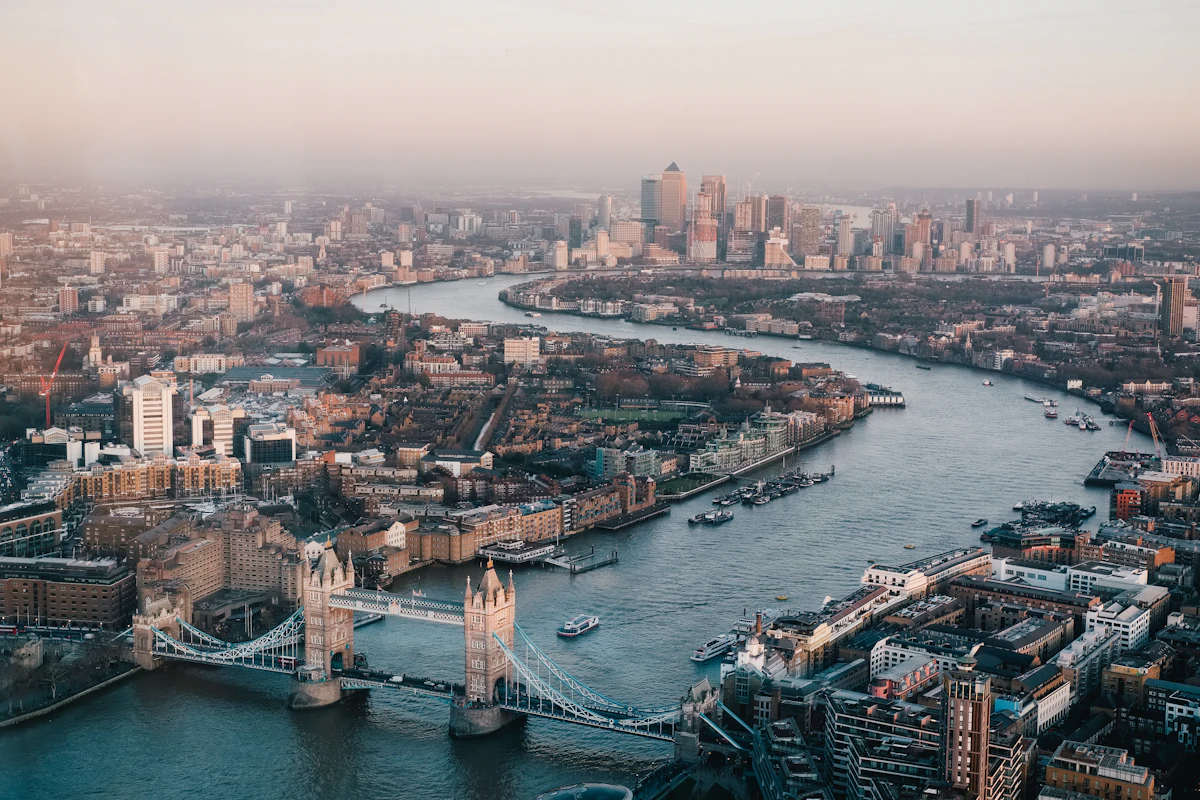
Aerial view of London cityscape at sunset with the Thames winding through the city
Global Reggae Culture Guide

Reggae Diaspora:
Cities Where the Music Lives

From Kingston's yards to London's sound systems, Toronto's Little Jamaica to Tokyo's reggae bars — trace how migration carried the riddim worldwide and where the culture thrives today.

The Roots of Dispersal: Why Reggae Traveled

Kingston Jamaica harbor with boats and waterfront buildings at dusk

Reggae did not become a global music through marketing campaigns or record label strategies. It traveled on the backs of migrants — packed into suitcases alongside vinyl records, carried in the memories of people who left Jamaica seeking economic opportunity but refused to leave their culture behind. Understanding the reggae diaspora requires understanding Jamaican migration history, because the two are inseparable.

The first major wave of Jamaican migration began in the 1940s and 1950s, when workers traveled to the United Kingdom, the United States, Canada, and Panama seeking employment. The arrival of the Empire Windrush at Tilbury Docks in June 1948 brought 492 Jamaicans to Britain — the symbolic beginning of a migration that would reshape British culture permanently. These migrants did not arrive as blank slates. They brought mento, ska, and the embryonic sound system culture that would eventually birth reggae.

In the United States, Jamaicans settled primarily in New York City's Brooklyn neighborhoods and in South Florida, particularly Miami's Liberty City. In Canada, Toronto became the primary destination, with the Eglinton West corridor developing into what locals would call Little Jamaica. Each of these settlements became a node in what would grow into a global network of reggae culture.

The second factor in reggae's global spread was Bob Marley. Between 1973 and 1981, Marley's international touring and the worldwide success of albums like Catch a Fire, Burnin', Natty Dread, Rastaman Vibration, Exodus, and Kaya introduced reggae to audiences across Europe, Africa, Asia, and Latin America. Marley's 1980 performance at the Zimbabwe independence celebration made reggae synonymous with liberation movements across the African continent.

The third channel was cultural cross-pollination. In 1970s London, punk musicians discovered reggae through proximity to Caribbean communities. The Clash covered Junior Murvin's "Police and Thieves." Don Letts, the Jamaican-British filmmaker and DJ, played reggae at punk venues. This cross-pollination created two-tone ska, post-punk dub experiments, and a generation of British musicians — from The Police to Massive Attack — who drew deeply from Jamaican music. Similar processes unfolded in every city where reggae took root: local musicians absorbed the sound and created something new.

The Sound System as Cultural Infrastructure

What makes the reggae diaspora different from other musical dispersals is the sound system. A sound system is not merely a collection of speakers — it is a community institution. When Jamaican migrants built sound systems in their new cities, they were recreating the social infrastructure of the Kingston dance. The sound system provided a gathering point, a cultural anchor, and an economic ecosystem (record sales, event promotion, food vending). In Brixton, Huddersfield, Birmingham, Brooklyn, and Toronto, sound systems became the foundation upon which entire communities organized their cultural lives.

This is why reggae did not merely "influence" other cities — it colonized them culturally, establishing permanent institutions that continue to function decades after the original migrants arrived. The sound system is reggae's architecture, and wherever it was built, reggae became permanent.

London: The Second Capital of Reggae

London cityscape at twilight with iconic buildings and warm evening light

London is, by any measure, the most important reggae city outside Jamaica. The Windrush generation and subsequent waves of Caribbean migration established a musical infrastructure that has been continuously active since the 1950s. Brixton, Hackney, Harlesden, Ladbroke Grove, and Tottenham are not neighborhoods that occasionally host reggae events — they are neighborhoods where reggae is woven into the fabric of daily life.

Brixton: The Heart of Black London

Brixton in South London became the symbolic center of Afro-Caribbean Britain. Windrush Square, named after the ship that brought the first wave of migrants, sits at the neighborhood's heart. The streets surrounding it housed record shops, sound system headquarters, and Caribbean food businesses that made Brixton the primary cultural exchange point between Jamaica and Britain. Desmond's Hip City, one of London's first Black-owned record shops, operated here. Brixton Market's covered arcades still serve ackee and saltfish, jerk chicken, and hard dough bread alongside the sounds of reggae drifting from market stalls.

For the reggae traveler, Brixton remains essential. The Black Cultural Archives, housed in a restored Georgian building on Windrush Square, documents the history of Caribbean communities in Britain. Pop Brixton, a community space built from shipping containers, hosts regular reggae and Caribbean cultural events. Electric Avenue, immortalized in Eddy Grant's 1982 hit, still functions as a market street where Caribbean culture is visible, audible, and edible.

Notting Hill and Ladbroke Grove: Carnival Territory

The Notting Hill area, encompassing Ladbroke Grove and Westbourne Park, is inseparable from the Notting Hill Carnival — Europe's largest street festival and the most visible expression of Caribbean culture in Britain. But the area's reggae significance extends far beyond the annual August Bank Holiday weekend. In the 1970s and 1980s, Ladbroke Grove was home to a dense network of reggae studios, record shops, and sound system operators. The Mangrove restaurant on All Saints Road was a gathering point for the Black community and the site of the famous 1970 trial that became a landmark in British civil rights history.

Island Records, founded by Chris Blackwell, operated from Notting Hill. The studio complex at Basing Street (now SARM Studios) is where Bob Marley and the Wailers recorded elements of Catch a Fire and where numerous British reggae productions were made. Rough Trade Records on Portobello Road stocked crucial Jamaican imports alongside punk records, facilitating the cross-pollination that defined late-1970s London music.

Hackney and East London

Hackney, in East London, has been a Caribbean cultural hub since the 1960s. Dalston and Stoke Newington hosted some of London's most important sound system dances. The Four Aces Club on Dalston Lane was a legendary venue for reggae, soul, and sound system events. Though the original venue closed, the Dalston area continues to host Caribbean cultural events and reggae sessions.

Key London Venues and Experiences

Reggae travelers to London should seek out Supertone Records in Brixton (one of the last specialist reggae record shops), the Notting Hill Carnival sound system areas (particularly Channel One Sound System's annual setup), dub nights at various venues across South and East London, and the regular roots and culture sessions that continue throughout the year. The annual Jah Shaka memorial events, honoring the legendary sound system operator who passed in 2022, draw thousands of devoted followers.

New York: Brooklyn's Caribbean Bassline

Brooklyn Bridge at sunset with the New York City skyline in the background

New York City's relationship with reggae is anchored in Brooklyn — specifically the neighborhoods of Flatbush, Crown Heights, East Flatbush, and Canarsie, where Caribbean immigration from the 1960s onward created one of the largest Jamaican-origin communities outside the island. By the 1990s, an estimated 600,000 people of Jamaican descent lived in the New York metropolitan area, with Brooklyn as the undisputed center.

Flatbush Avenue and its surrounding blocks constitute a Caribbean cultural corridor as significant as Brixton or Eglinton West. Jamaican patty shops, record stores, barbershops playing dancehall, and Caribbean grocery stores line the streets. The annual West Indian Day Parade and Carnival, held on Labor Day on Eastern Parkway, draws over one million participants and is the largest Caribbean cultural event in North America. Sound systems line the parkway, playing reggae, soca, dancehall, and calypso for hours.

The Record Store Legacy

New York's reggae record store culture was once among the most vibrant in the world. VP Records, founded by Vincent and Patricia Chin (who also founded Randy's Records in Kingston), became the largest distributor of Caribbean music in North America, operating from Jamaica, Queens. Their retail store was a pilgrimage site for collectors. Jamaican-owned record shops throughout Brooklyn served as cultural hubs where new releases from Kingston arrived weekly and where community news was exchanged.

Sound System Culture in New York

New York's sound system scene developed its own distinct character, blending Jamaican roots with American hip-hop culture. King Addies International, based in Brooklyn, became one of the most famous sound systems in the diaspora. The cross-pollination between Jamaican sound system culture and New York's hip-hop scene was direct and profound — DJ Kool Herc, widely credited as the originator of hip-hop, was born in Kingston, Jamaica, and explicitly modeled his early Bronx parties on Jamaican sound system dances. The toasting tradition that reggae sound system MCs practiced became the foundation for rap.

For reggae travelers to New York, the essential experiences include walking Flatbush Avenue, visiting Caribbean restaurants and bakeries in Crown Heights, attending the West Indian Day Parade (held the first Monday of September), and seeking out the regular dancehall and reggae events that continue in Brooklyn venues throughout the year.

The Bronx Connection

While Brooklyn is New York's Caribbean music capital, the Bronx holds a special place in reggae history. It was at 1520 Sedgwick Avenue in the Bronx that Clive Campbell — DJ Kool Herc — threw the back-to-school party in August 1973 that is widely considered the birth of hip-hop. Herc's technique of isolating the break in a song and extending it was directly inspired by the Jamaican sound system tradition he grew up with. This single connection makes the Bronx an essential destination for understanding how reggae's influence extends far beyond its own genre.

Toronto: Little Jamaica and the Canadian Reggae Capital

Toronto city skyline reflected in calm harbor waters under blue skies

Toronto's Jamaican community is one of the oldest and most culturally impactful in the diaspora. Jamaicans began arriving in significant numbers in the 1950s and 1960s, many recruited for domestic work and industrial labor. By the 1970s, the Eglinton Avenue West corridor between Keele Street and Dufferin Street had become known as Little Jamaica — a neighborhood defined by Jamaican restaurants, bakeries, record shops, barbershops, and a thriving sound system scene.

Little Jamaica's significance extends beyond its commercial establishments. The neighborhood served as a community organizing center, a place where newly arrived Jamaicans could find cultural continuity and practical support. Patty shops like Randy's Take Out and Allwyns Bakery became informal community centers. Record shops stocked the latest imports from Kingston. Sound system operators based in the neighborhood organized dances that drew Jamaicans from across the Greater Toronto Area.

Caribbean Carnival: Toronto's Largest Festival

The Toronto Caribbean Carnival, known locally as Caribana, has been held annually since 1967, making it one of the longest-running Caribbean cultural festivals in North America. The Grand Parade along Lakeshore Boulevard draws over one million spectators and features mas bands, sound systems, and floats representing the full spectrum of Caribbean culture. While the festival celebrates all Caribbean traditions, reggae and dancehall are central to the musical programming, with sound system stages and reggae-specific events throughout the multi-week festival period.

Threats and Resilience

Little Jamaica faces severe gentrification pressure. The construction of the Eglinton Crosstown LRT has disrupted businesses along the corridor, and rising property values threaten the Jamaican-owned establishments that define the neighborhood. Community organizations, including the Little Jamaica Coalition, are working to preserve the cultural character of the area through heritage designation, business support, and public awareness campaigns. For the reggae traveler, visiting Little Jamaica and supporting its businesses is an act of cultural preservation.

Beyond Little Jamaica, Toronto's reggae scene extends to Scarborough, Brampton, and Mississauga, where large Caribbean communities support regular sound system events, record shops, and cultural programming. The city has produced internationally recognized reggae and dancehall artists and maintains one of the world's most active Caribbean music scenes.

Miami: Gateway to the Caribbean

Miami Beach waterfront with art deco buildings and palm trees under a vivid blue sky

Miami's proximity to Jamaica — just over an hour by air — has made it a unique node in the reggae diaspora. Unlike London or Toronto, where Jamaican communities developed over decades of settlement, Miami functions as a gateway city where Jamaican culture moves fluidly between the island and the mainland. Liberty City, Overtown, and parts of North Miami have significant Jamaican and Caribbean populations that sustain reggae and dancehall culture year-round.

South Florida's reggae scene benefits from constant circulation — artists traveling between Kingston and Miami, new music arriving within hours of its release, and a community that maintains direct, active connections to Jamaica. The annual Best of the Best concert, 9 Mile Music Festival, and numerous club events make Miami one of the most active live reggae markets in the United States.

For the reggae traveler, Miami offers Caribbean restaurants and food trucks throughout Liberty City and Little Haiti, regular dancehall events in North Miami venues, and the experience of a city where Jamaican culture is not a niche interest but a visible, permanent part of the urban landscape. The proximity to Jamaica itself makes Miami an ideal starting point for a broader Caribbean reggae pilgrimage.

Beyond the Diaspora: Tokyo, Lagos, Addis Ababa, and Beyond
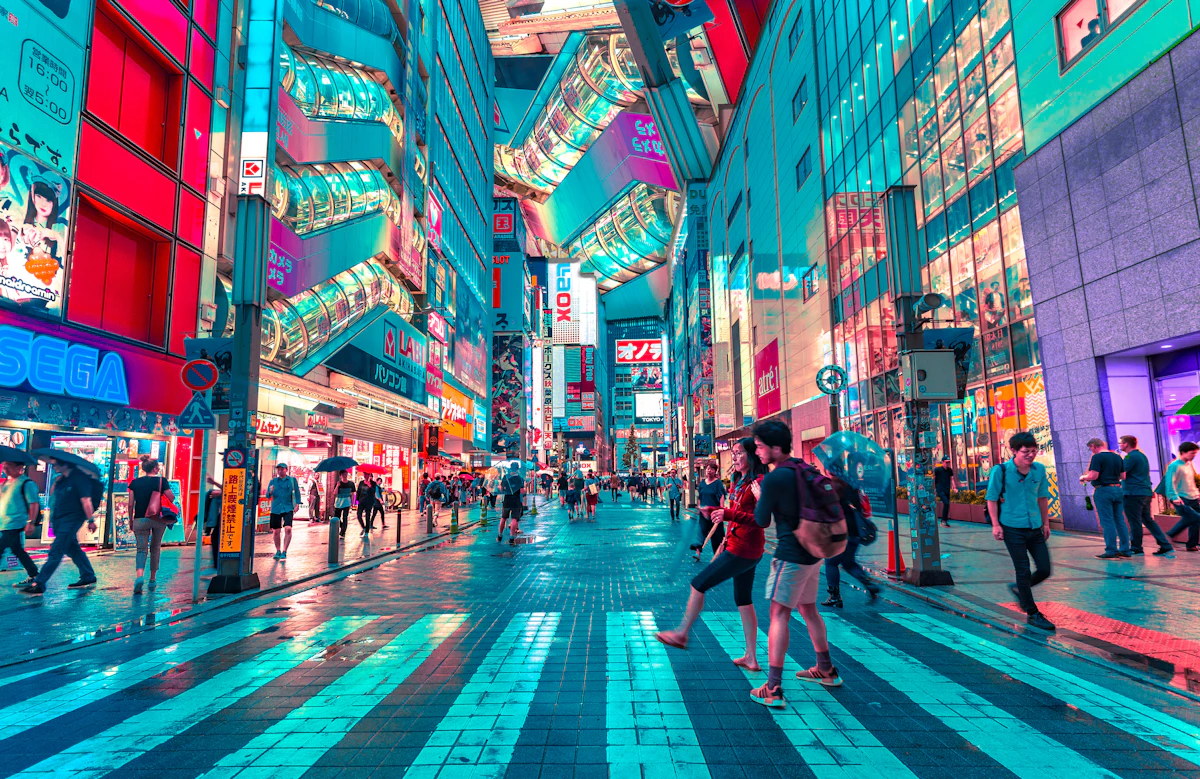
Tokyo cityscape at night with neon lights illuminating the streets of Shibuya

Tokyo: The Most Devoted Reggae Scene in Asia

Japan's reggae scene is one of the most remarkable cultural phenomena in music history. Beginning in the 1980s, Japanese musicians and fans embraced reggae with an intensity and dedication that astonished Jamaican artists who visited. Today, Tokyo has dedicated reggae bars (often in intimate basement venues that hold thirty to fifty people), specialist record shops with vinyl collections rivaling Kingston's best, and a community of musicians, selectors, and sound system operators who have spent decades studying and performing Jamaican music.

The Yokohama Reggae Sai (Yokohama Reggae Festival) is one of Asia's largest reggae events. Japanese sound systems like Mighty Crown have competed at — and won — the World Clash sound system competition, earning respect from Jamaican selectors. The Japanese reggae scene is notable for its deep knowledge of Jamaican music history, its meticulous attention to sound quality, and its genuine respect for the culture's origins.

For the reggae traveler, Tokyo offers an experience unlike any other diaspora city. Venues like Riddim, dub bars in Shibuya and Shinjuku, and specialist record shops in Shimokitazawa provide intimate encounters with reggae culture in a setting that feels both foreign and familiar. Japanese reggae culture demonstrates that genuine cultural exchange — rooted in respect, study, and love — can transcend geography and language.

Lagos and Accra: Reggae's Return to Africa

Reggae's relationship with Africa is circular. The music's lyrical content — Pan-Africanism, repatriation, liberation from colonial oppression — was always directed toward Africa. When reggae reached the African continent, it was received not as foreign music but as a returning message. In Nigeria, Fela Kuti's Afrobeat already shared reggae's political consciousness, and the two traditions cross-pollinated extensively. Alpha Blondy from Ivory Coast and Lucky Dube from South Africa became international reggae stars, proving that the music had taken root across the continent.

Lagos today has a thriving reggae scene intertwined with Afrobeats and highlife. Accra, Ghana, has become a hub for Caribbean-African cultural exchange, with a growing community of diaspora Jamaicans and African Americans exploring their ancestral connections. The annual Chale Wote Street Art Festival in Accra's Jamestown neighborhood features reggae programming alongside contemporary African art and music.

Addis Ababa and Shashamane: The Rastafari Homeland

Ethiopia holds unique significance in the reggae world because of its central role in Rastafari theology. Emperor Haile Selassie I is revered as the returned Messiah in Rastafari belief, and Ethiopia is considered the spiritual homeland. In Shashamane, about 250 kilometers south of Addis Ababa, a community of Rastafari from Jamaica and other Caribbean nations has lived on land granted by Haile Selassie since the 1960s. This community, while small, represents the physical manifestation of the repatriation dream that has animated reggae music for decades.

Addis Ababa itself has a growing reggae and Rastafari cultural scene, with venues, cultural centers, and an annual Bob Marley birthday celebration. For the reggae traveler, visiting Ethiopia is not merely tourism — it is a pilgrimage to the spiritual source of the Rastafari movement that gave reggae its deepest philosophical content.

Berlin: Dub Meets Techno

Berlin's relationship with reggae is filtered through the city's legendary electronic music culture. German sound system culture, particularly in the dub tradition, has been active since the 1980s. Aba Shanti-I, the London-based sound system operator of Ethiopian descent, regularly performed in Berlin. The city's club culture adopted dub's sonic principles — heavy bass, spatial effects, the architecture of echo — and integrated them into techno and electronic music. The result is a uniquely Berlin approach to reggae culture: deep, bass-heavy, and cerebral.

Berlin hosts regular dub and roots sessions in venues like Yaam (a legendary beach bar and cultural center on the Spree River that served as a Caribbean cultural hub for years) and various club spaces that dedicate nights to sound system culture. The intersection of Berlin's squat culture, anti-establishment politics, and reggae's liberation theology creates a natural affinity that keeps the scene vibrant.

Amsterdam: The European Distribution Hub

Amsterdam served as a crucial distribution point for reggae in continental Europe. Dutch label and distributor networks helped reggae records reach audiences across Europe from the 1970s onward. The city's liberal cultural environment attracted Jamaican artists and producers, and its position as a European transportation hub made it a natural base for reggae's continental expansion. Today, Amsterdam's multicultural Bijlmer neighborhood, with its significant Surinamese and Antillean populations, maintains Caribbean musical traditions including reggae.

Sao Paulo: Latin America's Reggae Giant

Brazil's relationship with reggae has deep roots, particularly in the northeastern state of Maranhao, where the city of Sao Luis has been called "the Jamaica of Brazil" for its devotion to reggae culture. Reggae arrived in Sao Luis in the 1970s through radio broadcasts and vinyl imports, and it became the dominant popular music form in working-class neighborhoods. Today, Sao Luis has hundreds of sound systems (called radiolas), dedicated reggae clubs, and a culture that has made reggae inseparable from the city's identity.

Sao Paulo, Brazil's largest city, has a growing reggae scene connected to the broader Latin American roots music movement. The city's massive periferica (outer neighborhoods) sustain reggae, dancehall, and sound system culture alongside Brazilian funk, hip-hop, and samba. For the reggae traveler, Brazil offers an experience that demonstrates how thoroughly reggae can integrate into local culture — in Sao Luis, reggae is not Jamaican music adopted by Brazilians; it is Brazilian music that happens to have Jamaican origins.


How to Travel the Reggae Diaspora Respectfully

Traveling the reggae diaspora is not the same as attending a reggae concert. You are entering communities — neighborhoods where people live, work, raise children, and maintain cultural traditions. The reggae traveler's responsibility is to engage as a guest, not a consumer.

Support local businesses. In every diaspora city, the reggae scene is sustained by small businesses — record shops, restaurants, barbers, event promoters. Spend your money in these establishments, not at chain stores or tourist traps. Buy records from specialist shops. Eat at Caribbean restaurants. Attend events organized by local promoters.

Understand gentrification. Many reggae diaspora neighborhoods are under severe gentrification pressure. Brixton, Little Jamaica in Toronto, Flatbush in Brooklyn — these communities face displacement by rising rents and development. Your presence as a tourist, if not managed thoughtfully, can contribute to the forces that threaten the very culture you came to experience. Stay in locally owned accommodations. Advocate for cultural preservation. Understand the politics of the neighborhoods you visit.

Learn before you arrive. Each diaspora city has its own history, its own relationship to Jamaica, and its own cultural norms. The reggae scene in London is different from the scene in Tokyo, which is different from the scene in Lagos. Read about the specific community you plan to visit. Understand its history, its challenges, and its cultural protocols. Do not assume that your knowledge of Jamaican culture translates automatically to diaspora communities.

Respect the difference between appreciation and appropriation. You can love reggae music deeply and still be a visitor in reggae communities. Do not perform cultural belonging that you have not earned. Do not adopt Rastafari symbols or language casually. Do not assume that your musical knowledge grants you insider status. Come as a student, not a performer.

For a comprehensive ethical framework, read our Ethical Reggae Tourism Guide.

Frequently Asked Questions: Reggae Diaspora Cities

London has the largest and longest-established reggae diaspora scene, rooted in the Windrush generation's arrival from 1948 onward, with Brixton, Hackney, and Notting Hill as key neighborhoods. New York's Brooklyn, particularly Flatbush and Crown Heights, sustains a massive Caribbean music community. Toronto's Eglinton West corridor, known as Little Jamaica, has been a reggae hub since the 1960s. Other major scenes include Miami's Liberty City, Tokyo (which has one of the world's most dedicated reggae cultures), Lagos, and Berlin. Each city has developed its own distinct relationship with reggae, shaped by local culture, migration patterns, and musical cross-pollination.

Reggae spread globally through three primary channels: Jamaican migration (particularly to the UK, US, and Canada from the 1940s through the 1970s), the international success of Bob Marley and the Wailers in the mid-1970s, and the adoption of reggae by punk and post-punk musicians in the UK. Sound system culture traveled with Jamaican migrants, establishing permanent musical infrastructure in diaspora cities. Bob Marley's worldwide touring from 1973 to 1980 introduced reggae to audiences across every continent. The punk-reggae connection in late-1970s London created two-tone ska and post-punk dub experiments that brought reggae to new audiences. Later, reggae spread through cultural affinity to Africa, Japan, and Latin America, where its messages of liberation, spirituality, and resistance resonated with local struggles.

Reggae is growing fastest in West Africa, particularly Nigeria and Ghana, where Afrobeats-reggae fusion is creating new hybrid forms. East Africa, especially Kenya and Tanzania, has a thriving reggae scene with local artists blending Jamaican rhythms with East African musical traditions. In Latin America, Colombia and Brazil have rapidly expanding reggae communities — Sao Luis in Brazil has been called "the Jamaica of Latin America" for its devoted reggae culture. In Europe, reggae continues to grow in Germany, France, and Spain, with Rototom Sunsplash in Spain drawing over 200,000 attendees annually. In Asia, beyond Japan's established scene, reggae is growing in the Philippines, Indonesia, and India.

The reggae diaspora refers to the global network of communities where Jamaican music culture has taken permanent root through migration and cultural exchange. It includes both the physical Jamaican diaspora — communities of Jamaican-born people and their descendants in cities like London, New York, Toronto, and Miami — and the cultural diaspora, where reggae has been adopted and adapted by local communities in places like Japan, West Africa, Brazil, and Europe. The reggae diaspora is not just about music but encompasses food, language (Jamaican Patois has influenced slang worldwide), spiritual practice (Rastafari communities exist on every continent), and community organization (sound systems, record shops, cultural centers). It represents one of the most successful examples of cultural transplantation in modern history.

The best cities for reggae travel outside Jamaica depend on what aspect of the culture you want to experience. London offers the deepest, most historically rooted diaspora scene — Notting Hill Carnival, Brixton's record shops, regular sound system sessions. Toronto provides Little Jamaica and the massive Caribbean Carnival. New York offers Brooklyn's Caribbean community and the West Indian Day Parade. Tokyo is ideal for dedicated music collectors and those seeking intimate sound system experiences. Berlin suits travelers interested in dub-electronic crossover culture. Addis Ababa and Shashamane offer spiritual pilgrimage to the Rastafari heartland. Sao Luis, Brazil, provides the unique experience of a city where reggae has become the dominant popular music. For festival travelers, attend Rototom Sunsplash in Spain or Notting Hill Carnival in London.

Continue Your Reggae Journey

The reggae diaspora is a living, breathing cultural network that spans every continent. Explore more of the world's reggae geography with our in-depth guides.

Women in Reggae History · Jamaican Food & Culture · Pilgrimage Routes · Return Home