Colorful Caribbean spices and fresh tropical fruits displayed at an outdoor market
Jamaican Food & Culture Guide

Jamaican Food &
Reggae Culture

From ital kitchens in the Blue Mountains to jerk pits in Boston Bay, from Kingston's cookshops to diaspora patty shops in Brooklyn — food is where reggae culture lives between the records.

Ital Food: The Cuisine of Spiritual Living

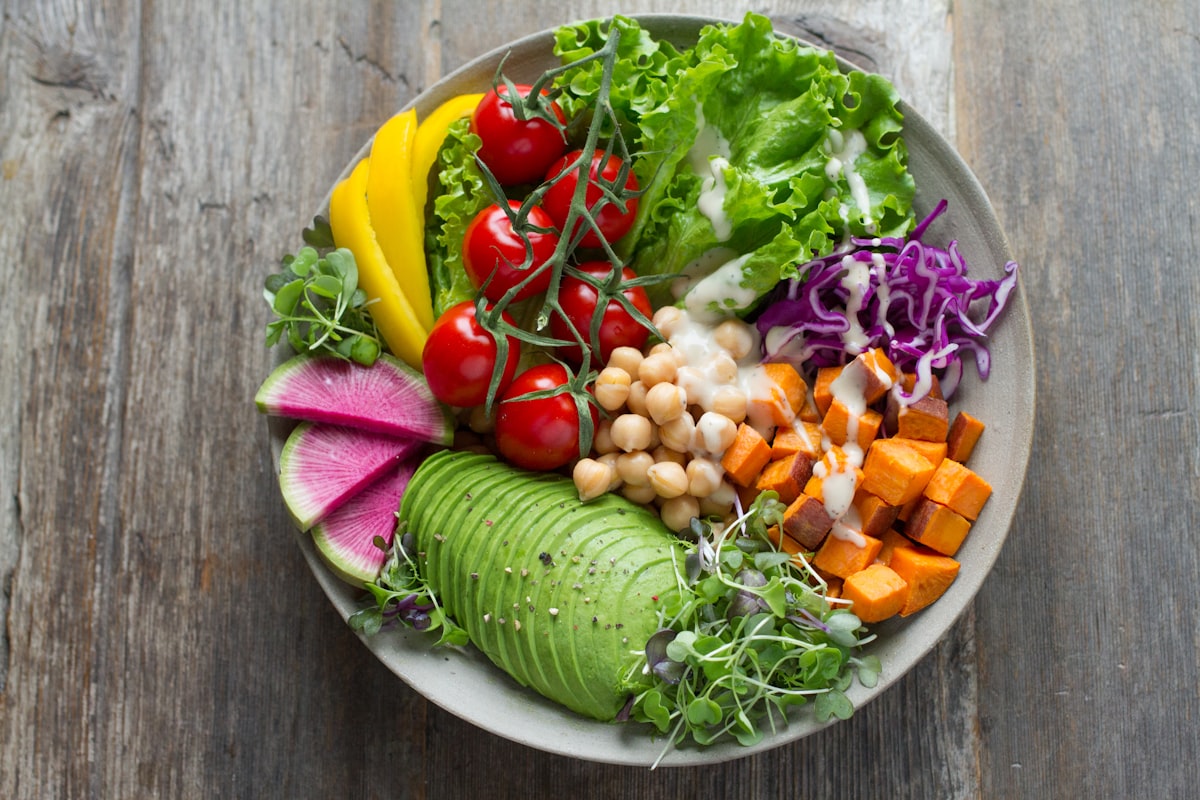
Fresh colorful plant-based meal with vibrant vegetables and natural ingredients on a wooden table

Ital food is the dietary expression of Rastafari livity — the practice of living naturally, in harmony with Jah's creation. The word "ital" derives from "vital," and the principle is straightforward: food should promote life, not diminish it. What this means in practice is a cuisine built on fresh fruits, vegetables, legumes, grains, and natural seasonings, prepared with minimal processing and an intention that transforms cooking from a domestic task into a spiritual practice.

The foundations of ital cooking are rooted in both African agricultural traditions and the specific conditions of Jamaican rural life. Rastafari communities, many established in the hills above Kingston and in rural parishes like St. Thomas, St. Catherine, and Portland, cultivated their own food, maintaining gardens and small farms that provided the ingredients for ital meals. This self-sufficiency was both practical and political — growing your own food was an act of independence from the colonial economic system that Rastafari rejected.

What Ital Eating Looks Like

In its strictest form, ital food avoids all meat, fish, shellfish, dairy, eggs, salt, processed sugar, artificial additives, and alcohol. Some Rastafari elders eat only raw foods. However, ital practice varies significantly among individuals and among the different Rastafari mansions (denominations). The Nyahbinghi order tends toward the strictest dietary practice. The Twelve Tribes of Israel allow fish under a certain size. The Bobo Ashanti maintain their own specific dietary traditions. There is no single ital diet — there is a spectrum of practice united by the principle that food should be natural, life-giving, and prepared with spiritual intention.

Common ital dishes include callaloo (a leafy green vegetable similar to spinach, cooked with coconut milk and scotch bonnet pepper), stewed peas (red kidney beans cooked in coconut milk with dumplings and yam), roasted breadfruit (the starchy fruit that became a Caribbean staple after being brought from the Pacific by Captain Bligh), ground provisions (a selection of root vegetables including yam, sweet potato, dasheen, and cassava), and ital stew — a rich, aromatic preparation of whatever vegetables are available, cooked slowly in coconut milk with thyme, garlic, and scotch bonnet.

Where to Experience Ital Food

In Kingston, ital food is available at Rastafari-operated restaurants and cookshops, though they are not always easy for visitors to find. Ask locally for directions to ital restaurants — they are often in residential areas without prominent signage. In the Blue Mountains above Kingston, some Rastafari communities welcome visitors for meals, but this should always be arranged through personal connections or local guides, never as a drop-in tourist visit.

Outside Jamaica, ital food has gained international recognition as part of the broader plant-based food movement. Rastafari-operated restaurants exist in London (Brixton and Hackney), New York (Brooklyn), Toronto, and other diaspora cities. The increasing global interest in plant-based cuisine has brought new attention to ital cooking, though it is important to understand that ital food is a spiritual practice first and a culinary trend second.

For the reggae traveler, experiencing ital food is an encounter with the philosophical heart of reggae music. When Bob Marley sang about natural living, when Peter Tosh advocated for plant-based eating, when Burning Spear invoked the connection between the land and the spirit — they were describing the same worldview that produces ital cuisine. The food and the music are expressions of the same consciousness.

The History of Jerk: Resistance Encoded in Smoke

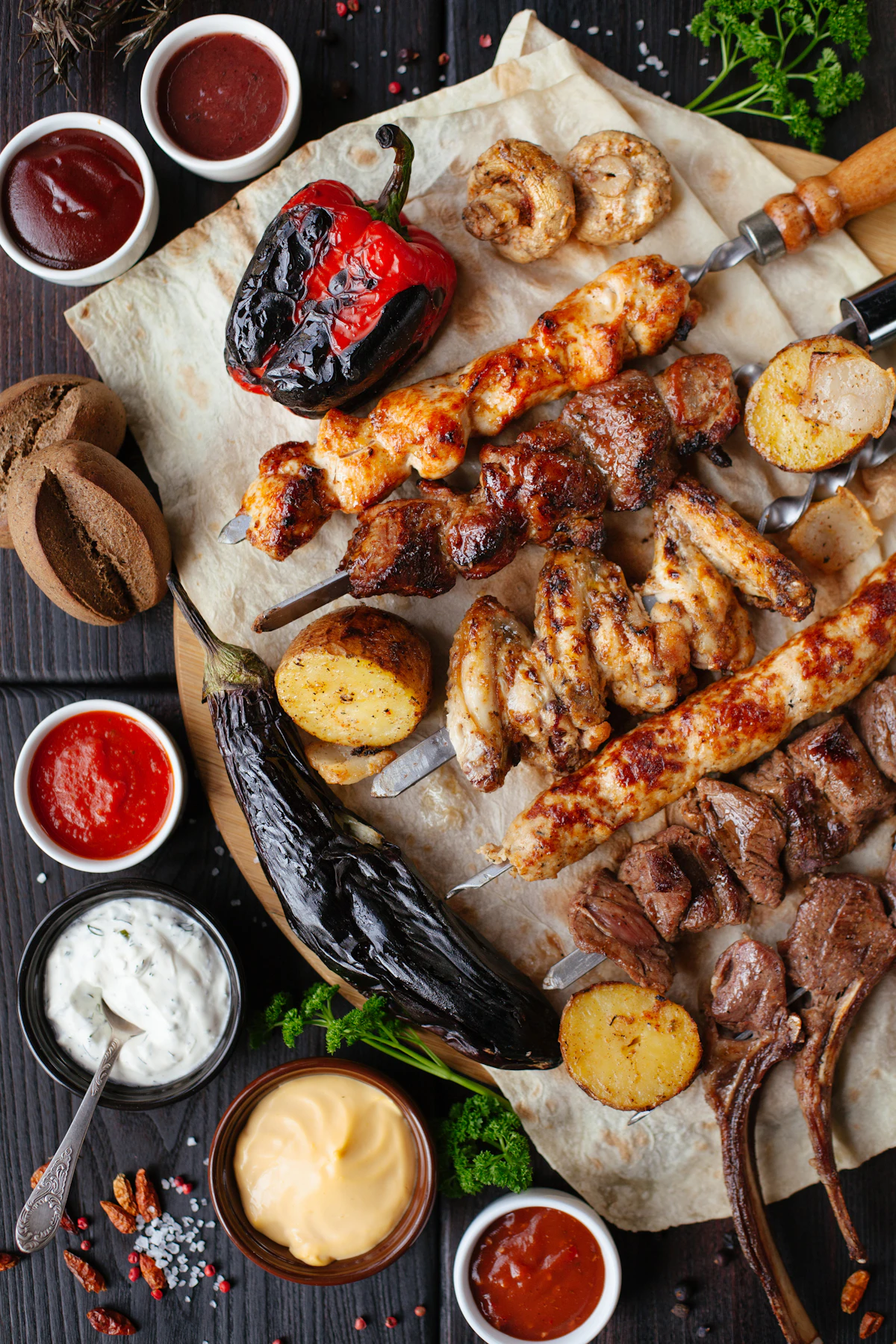
Smoky grilled meat with charred edges on an outdoor grill with aromatic wood smoke rising

Jerk cooking is one of the most recognized Jamaican culinary traditions worldwide, but its history is far more profound than its popularity suggests. The technique traces directly to the Maroons — communities of enslaved Africans who escaped Spanish and later British plantations and established free settlements in Jamaica's mountainous interior, particularly in the Blue Mountains, John Crow Mountains, and the Cockpit Country of western Jamaica.

The Maroons developed jerk cooking as a preservation and preparation technique suited to their guerrilla existence. The word "jerk" likely derives from the Quechua word "charqui" (dried meat, the same root as "jerky"), though some scholars suggest it comes from the process of jerking — turning — the meat over the fire. The technique involves marinating meat (traditionally wild boar or pork) in a mixture of scotch bonnet pepper, pimento (allspice), thyme, scallion, and other seasonings, then slow-cooking it over pimento wood in a pit dug into the ground. The smoke from the pimento wood is essential — it is what gives jerk its distinctive flavor and is irreplaceable by any other cooking method.

The Maroons' survival — and the survival of jerk cooking — is a story of resistance. These were people who fought the British Empire to a standstill, eventually negotiating treaties that guaranteed their freedom and land rights. Their cooking techniques persisted because their communities persisted. Jerk is not just food; it is evidence of survival.

Boston Bay: The Jerk Capital

Boston Bay in Portland parish, on Jamaica's northeast coast, is considered the birthplace of commercial jerk cooking. The area's proximity to Maroon settlements in the Blue Mountains and John Crow Mountains made it a natural point where Maroon cooking traditions entered broader Jamaican culture. Today, Boston Bay is lined with jerk stands and open-pit grills, and the jerk prepared here — over pimento wood, with traditional seasoning — is widely regarded as the best on the island.

For the reggae traveler, a visit to Boston Bay is both a culinary pilgrimage and a historical one. The road from Kingston to Portland passes through some of Jamaica's most beautiful landscape, and the parish of Portland itself — home to the Blue Lagoon, Reach Falls, and the Rio Grande — is one of the island's most culturally significant areas. Eating jerk at Boston Bay is eating the food of resistance, prepared in the tradition of people who refused to be enslaved.

Jerk in the Diaspora

Jerk cooking traveled with Jamaican migrants to every diaspora city. In London, Brixton and Hackney have jerk shops that have operated for decades. In Toronto, the annual Jerk Festival draws tens of thousands. In New York, jerk chicken is as much a part of Brooklyn's food landscape as pizza. However, the diaspora jerk experience varies significantly — many establishments use gas grills rather than pimento wood, and the seasoning may be adapted to local tastes. The reggae traveler should seek out establishments that maintain traditional techniques, particularly those that cook over wood and prepare their own seasoning from scratch.

Ackee and Saltfish: History on a Plate

Traditional Caribbean breakfast dish with tropical fruits served on a colorful plate

Jamaica's national dish, ackee and saltfish, is a history lesson disguised as breakfast. The ackee fruit (Blighia sapida) was brought to Jamaica from West Africa, likely on slave ships in the 18th century. It is named after Captain William Bligh, who transported specimens to the Royal Botanic Gardens at Kew in 1793 — the same Bligh of Bounty fame, who also brought breadfruit to Jamaica. The salt cod (saltfish) arrived via the transatlantic trade networks that connected the Caribbean to the North Atlantic cod fisheries. These two ingredients — one African, one European in its trade route — came together on a plate to create something distinctly Jamaican.

Ackee must be prepared correctly — unripe ackee contains hypoglycin, a toxin that can cause serious illness. The fruit must be allowed to open naturally on the tree before harvesting, and only the yellow arilli (the fleshy portions) are eaten. This requirement for proper preparation has kept ackee largely within Jamaican and Caribbean culinary traditions, as unfamiliarity with the fruit's preparation has limited its adoption elsewhere. Fresh ackee is banned from import in the United States (only canned ackee is permitted), which means that experiencing fresh ackee and saltfish is one of the culinary pleasures that can only be fully appreciated in Jamaica itself.

The dish is typically prepared by sauteing salted cod (which has been soaked overnight to remove excess salt) with onions, tomatoes, scotch bonnet pepper, and thyme, then gently folding in the cooked ackee. It is served for breakfast with fried dumplings, roasted breadfruit, boiled green banana, or hard dough bread. In Kingston, ackee and saltfish is available at virtually every cookshop and restaurant that serves breakfast, from street-side vendors to the dining room at the Pegasus Hotel.

Other Essential Jamaican Dishes

Curry goat reflects Jamaica's connection to the Indian indentured laborers who arrived after emancipation, bringing curry powder and cooking techniques that Jamaicans transformed into something uniquely their own. Jamaican curry goat uses a different spice profile from South Asian curries, emphasizing allspice and scotch bonnet alongside traditional curry spices.

Brown stew chicken is a weekday staple — chicken browned in a seasoned flour mixture, then stewed with tomatoes, onions, and peppers. It is the kind of dish that speaks to daily Jamaican life rather than special occasions.

Escovitch fish (from the Spanish escabeche) reflects the island's Spanish colonial history — fried whole fish topped with a pickled vegetable mixture of onions, carrots, scotch bonnet, and vinegar. It is traditionally served on Fridays and during Easter.

Mannish water (goat head soup) is considered a restorative and is traditionally served at special events. Pepper pot soup, thickened with callaloo and seasoned with salt pork, reflects the African and indigenous Taino influences that underpin Jamaican cuisine.

Bammy, made from grated cassava that is pressed, shaped, and fried or steamed, is a direct descendant of the Taino people's preparation methods — one of the few surviving elements of the indigenous Caribbean diet that predates European contact.

Eating in Kingston: Where the Musicians Eat

Bustling Caribbean street food scene with vendors and colorful signage

Kingston's food culture operates on two parallel tracks: the restaurant scene that caters to the middle class and visitors, and the cookshop culture that feeds the city's working population — including, historically, most of its musicians. The reggae traveler seeking authentic culinary experiences should prioritize the second track.

Cookshops: The Heart of Kingston Eating

A cookshop is a small, often informal establishment — sometimes a converted house, sometimes a roadside shack, sometimes a window cut into a wall — where a cook (usually a woman) prepares a daily menu of Jamaican staples. The food is served in styrofoam containers or on enamel plates. There is no printed menu — you eat what is available that day. Prices are low, portions are generous, and the food is the best you will eat in Jamaica.

Cookshops have always been the feeding stations of Jamaica's music industry. Studio musicians recording at Channel One on Maxfield Avenue ate at the cookshops on the surrounding streets. Engineers working late at King Tubby's studio in Waterhouse sent someone out for food from the neighborhood. The cookshop is not incidental to the reggae story — it is part of it. The music was made by people who ate this food, and the food was prepared by women who lived in the same communities that produced the music.

For the visitor, eating at a cookshop requires a small adjustment of expectations. Service is informal. Seating may be limited or nonexistent. The menu is whatever was cooked that day. But the food — properly prepared rice and peas, stew chicken, oxtail, curry goat, steamed fish, callaloo — will be among the most flavorful and authentic you have ever tasted. This is food cooked by people who have been making these dishes for generations.

Coronation Market

Coronation Market, in downtown Kingston near the waterfront, is Jamaica's largest and oldest market. Established in 1872, it is a sprawling, intense, overwhelmingly sensory experience. Vendors sell fresh produce — ackee, breadfruit, yams, dasheen, callaloo, scotch bonnet peppers, thyme, scallion — alongside prepared foods, spices, herbal remedies, and household goods. The market operates daily but is busiest on Saturdays, when rural vendors bring produce from across the island.

Coronation Market is not a tourist market. It is a working commercial space where Kingston feeds itself. Visitors should come prepared for heat, crowds, and a pace that does not accommodate leisurely browsing. Hire a local guide if you are unfamiliar with the area. Buy what interests you — the produce is superb and the prices are the lowest on the island. But most importantly, understand that you are entering a space that has functioned as Kingston's food hub for over 150 years.

The Patty: Jamaica's Street Food Icon

The Jamaican patty — a flaky, turmeric-yellow pastry filled with spiced beef, chicken, vegetable, or other fillings — is arguably Jamaica's most widely recognized street food. Patties are sold everywhere in Kingston, from dedicated patty shops like Tastee and Juici to corner stores and school canteens. The patty's origins reflect Jamaica's multicultural history: the pastry technique derives from British Cornish pasties, the spicing is African and Indian, and the turmeric-yellow crust is uniquely Jamaican.

The patty is eaten at all times of day and by all classes of Jamaican society. It is traditionally paired with coco bread — a soft, slightly sweet bread that is split open to receive the patty, creating a combination that is both filling and portable. For the reggae traveler, a beef patty in coco bread, purchased from a Tastee or Juici outlet and eaten standing on a Kingston sidewalk, is an essential cultural experience.

Devon House: Where Food Meets Heritage

Devon House, the restored 19th-century mansion on Hope Road in uptown Kingston, functions as both a historical site and a food destination. The grounds house several restaurants and food establishments, including Devon House I-Scream — widely considered to serve the best ice cream in Jamaica, with flavors like Devon Stout, grape nut, and coconut. The Grog Shoppe restaurant on the grounds serves traditional Jamaican cuisine in a more formal setting. Devon House itself, built in 1881 by George Stiebel (one of the first Black millionaires in the Caribbean), is a significant historical monument.

Rum Culture: Jamaica's Liquid History

Aged Caribbean rum bottles on a wooden shelf in a warmly lit bar setting

Jamaica's rum tradition is among the oldest in the world, dating to the 17th century when sugar plantations began distilling molasses. Rum's history in Jamaica is inseparable from the history of slavery — the sugar that produced it was harvested by enslaved Africans, and the rum itself was part of the triangular trade that connected Africa, the Caribbean, and Europe. Acknowledging this history is essential for any culturally aware engagement with Jamaican rum culture.

Today, Jamaica produces some of the world's most distinctive rums. Jamaican rum is characterized by its use of pot stills (which produce heavier, more flavorful spirits than column stills) and by the deliberate cultivation of "hogo" — a funky, fruity character produced by the natural esters that develop during fermentation. Appleton Estate, in the Nassau Valley of St. Elizabeth parish, has been producing rum since 1749. Hampden Estate, in Trelawny parish, is famous for its high-ester rums that are used in blending worldwide. Worthy Park Estate, in St. Catherine, produces some of the island's most acclaimed single-estate rums.

The relationship between rum and reggae is complex. While rum is deeply embedded in Jamaican social culture, Rastafari theology generally discourages or prohibits alcohol consumption. Many roots reggae artists abstained from alcohol entirely, and events like Rebel Salute (founded by Tony Rebel) are alcohol-free. The reggae traveler should be aware of this distinction — rum culture and Rastafari culture coexist in Jamaica but are not the same thing, and conflating them demonstrates a lack of cultural understanding.

For those interested in Jamaica's rum heritage, distillery tours are available at Appleton Estate (the most popular, with a full visitor experience in the beautiful Nassau Valley), Hampden Estate (which offers a more in-depth, production-focused tour), and several smaller operations. In Kingston, bars like the Tracks & Records (associated with Usain Bolt) and various establishments in the New Kingston area serve Jamaican rums alongside music that ranges from roots reggae to dancehall.

Jamaican Food in the Diaspora

Jamaican food culture traveled with every wave of migration, and today, diaspora cities offer some of the most vibrant Jamaican food scenes outside the island. In many cases, diaspora restaurants have preserved cooking traditions that have evolved or been commercialized in Jamaica itself, making them valuable cultural repositories.

London has the deepest diaspora food tradition. Brixton Market's covered arcades house Caribbean food stalls that have operated for decades. Jerk shops in Hackney, Tottenham, and Harlesden serve food prepared in traditional style. The annual Notting Hill Carnival is accompanied by a massive Caribbean food operation — jerk chicken, curry goat, rice and peas, fried plantain, and sugarcane juice sold from stalls along the carnival route.

New York's Flatbush neighborhood in Brooklyn is a Caribbean food capital. Restaurants along Flatbush Avenue, Nostrand Avenue, and Church Avenue serve the full range of Jamaican cuisine. The Golden Krust chain, founded by Jamaican immigrants, has brought Jamaican patties to a wider American audience while maintaining quality that satisfies Caribbean palates. Allan's Bakery on Nostrand Avenue has served the Caribbean community for decades.

Toronto's Little Jamaica on Eglinton West is defined as much by its food businesses as by anything else. Patty shops, bakeries serving hard dough bread, cookshops serving curry goat and oxtail, and juice bars offering sorrel, soursop, and June plum drinks line the corridor. The annual Jerk Festival in Centennial Park is one of the largest Caribbean food events in North America.

For the reggae traveler visiting diaspora cities, seeking out Jamaican food establishments serves a dual purpose. The food itself is an authentic cultural experience, and the economic support helps sustain the community infrastructure that keeps reggae culture alive in these cities. Eat where the community eats, not where the tourist guides recommend.

Frequently Asked Questions: Jamaican Food & Reggae Culture

Ital food is the dietary practice of the Rastafari movement, rooted in the concept of "livity" — living in harmony with nature. The word "ital" derives from "vital," reflecting the belief that food should promote life and spiritual clarity. Traditional ital cooking avoids salt, processed foods, meat (particularly pork), and in its strictest form, all animal products. Ital cuisine emphasizes fresh fruits, vegetables, legumes, grains, and natural seasonings like scotch bonnet pepper, thyme, garlic, and coconut. Common ital dishes include stewed peas, callaloo, roasted breadfruit, ital stew with coconut milk, and a variety of fresh juices. Ital food is not merely a diet but a spiritual practice connected to the Rastafari concept of maintaining a pure, natural body as a temple for the spirit.

For authentic Jamaican food in Kingston, seek out cookshops and local restaurants rather than hotel dining rooms. The best food is often in small, informal establishments without prominent signage. Coronation Market in downtown Kingston is the island's largest open-air market, selling fresh produce, spices, and prepared foods. Devon House on Hope Road has the famous I-Scream ice cream and the Grog Shoppe restaurant. For jerk, seek out roadside jerk stands that cook over pimento wood. For ital food, ask locally for Rastafari-operated restaurants. The street food scene around Half Way Tree, Cross Roads, and Papine is vibrant, with patty shops, pan chicken vendors, and juice bars. Always ask locals for their recommendations — Kingston residents take great pride in their food culture.

Rastafari dietary practice centers on ital food — a plant-based, natural diet that avoids processed foods, artificial additives, and in most traditions, meat (particularly pork and shellfish). The strictest Rastafari elders eat only raw or minimally processed plant foods. Many avoid salt entirely, using natural seasonings instead. The Rastafari approach to food is spiritual, not merely nutritional — eating ital is understood as maintaining the body as a temple and living in harmony with Jah's creation. However, not all Rastafari follow identical dietary rules. Practice varies among different Rastafari mansions (denominations) and individual conviction. The Twelve Tribes of Israel, for example, may allow fish, while Nyahbinghi practice tends to be stricter. Visitors should never assume all Rastafari eat identically.

Jamaica's most culturally significant food markets include Coronation Market in downtown Kingston (the island's largest and oldest, operating since 1872), Papine Market in eastern Kingston, the Ocho Rios Market on the north coast, the Falmouth Market in Trelawny (near the historic Georgian town center), and the Charles Gordon Market in Montego Bay. For a rural market experience, the Saturday markets in smaller towns like Port Antonio, Mandeville, and Black River offer a more intimate atmosphere. These markets are working commercial spaces — visit respectfully, buy what you eat, and be prepared for intense, vibrant sensory experiences. Hiring a local guide for your first market visit is recommended.

Reggae and Jamaican food culture are deeply intertwined through three connections. First, Rastafari — the spiritual movement that gave reggae its philosophical depth — has a specific dietary tradition (ital food) that is inseparable from its musical expression. Second, the sound system dance, reggae's primary social institution, has always been accompanied by food vending — jerk chicken, fried fish, soup, and other dishes are integral to the dance experience. Third, food is a recurring subject in reggae lyrics, from Bob Marley's "No Woman No Cry" (referencing cooking cornmeal porridge in Trench Town) to countless songs about cooking, eating, and the economics of food. The cookshops that fed musicians during recording sessions, the food stalls at sound system dances, and the ital kitchens of Rastafari communities are all essential spaces in the reggae cultural landscape.

Feed Your Journey

Food is where reggae culture lives between the records. Continue exploring the cultural landscape with our in-depth guides to Kingston, the diaspora, and beyond.

Women in Reggae · Dub Pilgrimage · Ethical Tourism · Return Home